Related Articles
- Fashion's Second Skin: The Underbelly of Wearable Tech and Its Surprising Roots in Previous Iconic Styles
- Shadows of Style: The Controversial Anti-Fashion Movements That Shook the Industry from Within
- Silent Statements: The Impact of Minimalism in Fashion's Most Overlooked Decades
- Distorted Reflections: The Role of AI in Shaping Fashion Perceptions and Consumer Trust in 2023
- Dressing the Future: How AI-Generated Designs Could Revolutionize Creativity and Profitability in Fashion
- The Art of Unfashion: How Anti-Fashion Movements are Reshaping Consumer Expectations and Market Strategies
Navigating the Disconnect: The Battle Between Fashion Innovation and Cultural Authenticity in Global Markets
Navigating the Disconnect: The Battle Between Fashion Innovation and Cultural Authenticity in Global Markets
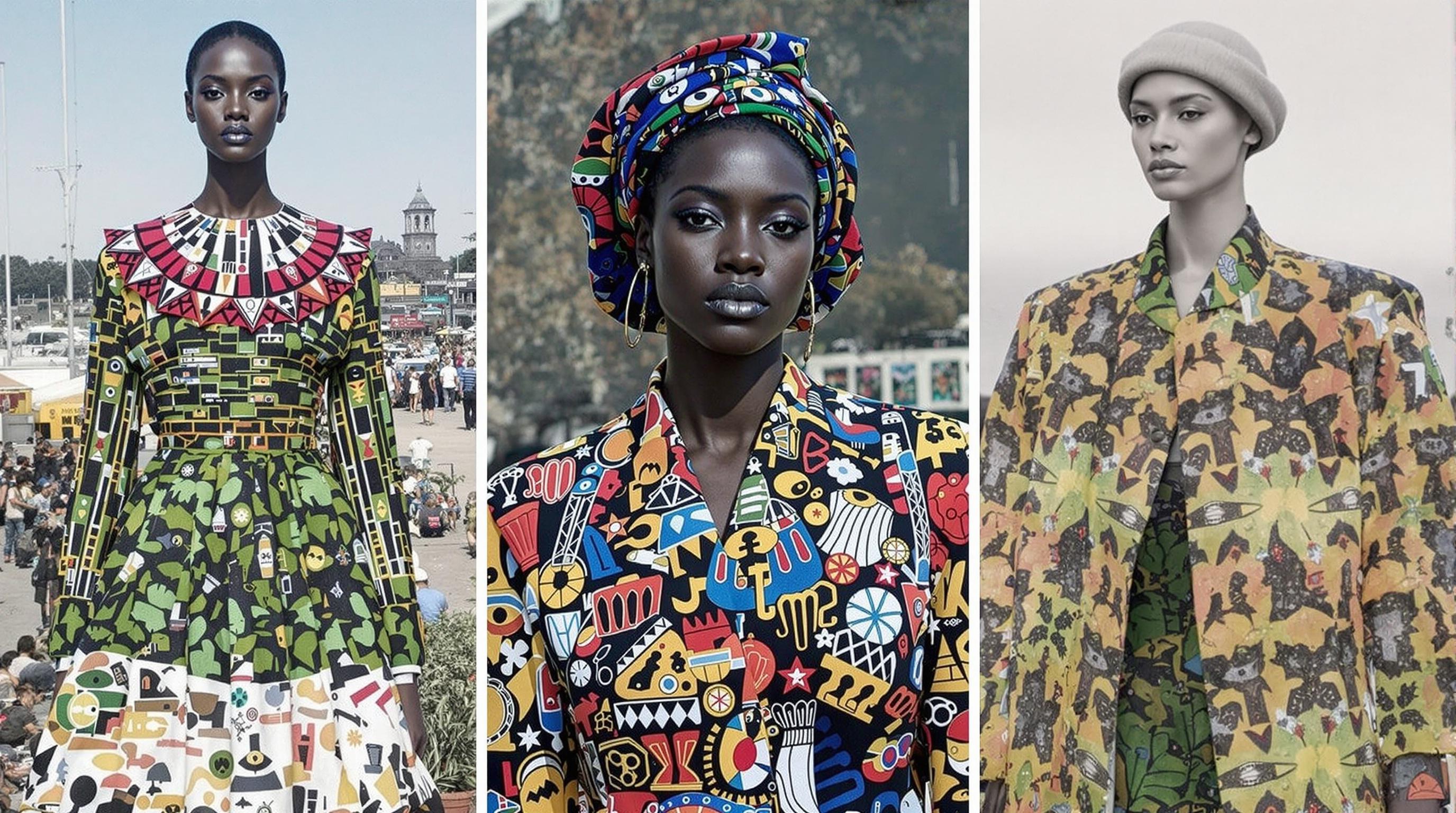
In today’s rapidly evolving global marketplace, the challenge of aligning fashion innovation with cultural authenticity has become increasingly pronounced. This article explores the myriad ways brands navigate this disconnect, examining case studies, statistics, and narratives that underscore fashion’s complex role in cultural expression.
Understanding Fashion Innovation
Fashion innovation refers to the introduction of new styles, materials, and techniques that push the boundaries of traditional design. It’s fascinating to note that, according to the Global Fashion Industry Annual Report, the global fashion market is projected to reach $1.5 trillion by 2025, driven largely by technological advancements and social media influence (Statista, 2023). However, as brands rush to innovate, they often risk overlooking the cultural contexts that give fashion its deeper meaning.
The Allure of Cultural Appropriation
In the pursuit of capturing diverse markets, some brands inadvertently slip into the territory of cultural appropriation—a concept that refers to the adoption of elements of one culture by members of another culture, often without understanding or respecting its significance. A 2021 study published in the Journal of Cultural Studies found that over 80% of respondents felt that cultural appropriation in fashion led to the commodification of their traditions. For instance, when luxury brands incorporate indigenous patterns and motifs without acknowledging their origins, they strip away the narratives and histories that those symbols embody.
The Case of Gucci's 'Balaclava' Sweater
Consider Gucci's infamous 'balaclava' sweater that raised eyebrows in 2019. This piece featured a design that many felt resembled blackface, igniting conversations about racial insensitivity in fashion. The backlash forced Gucci to reckon with the cultural references and implications of its designs, leading the brand to implement more inclusive practices and advisory boards to elevate diverse voices in decision-making. In response to the outcry, they launched the Gucci Equilibrium initiative, aimed at promoting responsible fashion (Gucci, 2020).
The Pursuit of Global Market Appeal
On the flip side, the drive to innovate often leads brands to develop collections aimed at appealing to global customers. For example, Nike’s “Equality” campaign artfully fused athletic wear with messaging promoting diversity and inclusion, an effort that resonated with younger generations seeking brands that align with their values. This strategy not only boosted sales but fostered a powerful brand narrative. In fact, data from Adobe Analytics indicated that sales for the campaign increased by 25% compared to similar product launches in previous years (Adobe, 2020).
The Generational Shift in Consumer Values
It’s worth mentioning that the current generation—often termed Gen Z—has a nuanced understanding of cultural representation. This age group, ranging from 16 to 26 years old, places significant value on authenticity and transparency, with nearly 60% of them indicating they would avoid brands perceived as culturally appropriative in a recent survey by McKinsey (McKinsey, 2021). Their buying power is reshaping market strategies, as companies strive to maintain relevance and build lasting relationships with consumers who crave sincerity over superficiality.
Fashion as Cultural Dialogue
Some brands, however, are rising to the challenge by positioning themselves as facilitators of cultural dialogue rather than mere purveyors of style. An example is the collaboration between H&M and luxury designer Erdem which drew inspiration from British culture. The resulting collection celebrated various aspects of British sartorial history, from floral prints to regal silhouettes. This partnership illustrated the possibility of creating innovative fashion while honoring cultural heritage.
The Role of Social Media
Social media is a double-edged sword in this narrative. On one hand, platforms like Instagram and TikTok allow designers and brands to showcase their work directly to audiences, fostering a new appreciation for cultural diversity in fashion. On the other hand, it can amplify instances of cultural insensitivity in real-time, as we saw with the swift response to fashion faux pas across industries. An interesting case is the viral backlash against a fast-fashion retailer for using images of Indigenous models without the necessary context—an incident that prompted swift changes in their marketing approach.
A Humorous Look at Fashion Faux Pas
Let’s take a moment to lighten the mood—fashion faux pas are often the unsung heroes of the industry. You know the story: a high-fashion brand launches a collection that looks like it time-traveled from the 70s disco scene, only to have social media erupt with memes about it being the next Halloween costume! Who could forget the epic fail of a certain designer who turned up at a fashion show looking like they rolled out of bed after binge-watching “Queer Eye”? Fashion should spark joy, not just confusion! So, we all have to ask ourselves: Is that 'innovative' or just...innovative like 'I'm not quite sure what’s happening here?'
Building Cultural Sensitivity
So, what’s the solution? Brands need to cultivate not just awareness but genuine partnerships with cultural communities. By collaborating with local designers and makers who understand the significance of their craft, companies can create offerings that are both innovative and culturally respectful. For instance, a pop-up restaurant launched by a luxury brand with local chefs not only showcased their clothing line but also celebrated the rich culinary history of the region.
Case Study: Adidas and Parley for the Oceans
Adidas’ partnership with Parley for the Oceans exemplifies how fashion can merge innovation with cultural and environmental awareness. By creating shoes made from recycled ocean plastic, the brand not only innovated but also addressed a critical environmental issue. This partnership highlighted the importance of sustainable practices, resonating deeply with consumers—over 60% of millennials resonate with brands that engage in sustainability according to a Nielsen report (Nielsen, 2019).
The Future: Synthesis of Innovation and Authenticity
As we look ahead, the challenge facing the fashion industry lies in their ability to synthesize innovation with cultural authenticity. The growing demand for ethical practices requires a rethink not just of design processes but also of marketing strategies. As brands draw upon inspiration from diverse cultures, they must approach those cultures with respect, integrity, and an understanding of their histories.
A Call to Action for Consumers
Consumers, too, hold power in this evolving landscape. By choosing to support brands that prioritize authenticity and cultural sensitivity, they can foster a more equitable and responsible fashion industry. Brands are more likely to listen when their bottom line reflects what values customers hold dear. After all, fashion is not just about patterns, colors, and stitches—it's about the stories we tell and the narratives we weave together across cultures.
Embracing Cultural Collaboration
Finally, it is essential for the industry to embrace cultural collaboration. Designers from various backgrounds should find ways to work together, blending their distinct cultures into a fashion melting pot. The best designs often emerge when diverse perspectives converge, illustrating that fashion is a collaborative expression rather than a battleground for ownership. Therefore, brands should seek out diverse voices, empowering them as key contributors rather than mere inspirations. The future of fashion depends on collective creativity grounded in respect and understanding.
Conclusion: A Hopeful Horizon
In conclusion, while the battle between fashion innovation and cultural authenticity presents significant challenges, it also offers a rich canvas for exploration and growth. As brands adapt to an increasingly discerning consumer base, the potential for beauty, connection, and understanding in fashion is limitless. By navigating this disconnect thoughtfully and creatively, we can work towards a future where innovation coexists harmoniously with cultural integrity.
Read More