Related Articles
- Fashion's Second Skin: The Underbelly of Wearable Tech and Its Surprising Roots in Previous Iconic Styles
- Shadows of Style: The Controversial Anti-Fashion Movements That Shook the Industry from Within
- Silent Statements: The Impact of Minimalism in Fashion's Most Overlooked Decades
- Distorted Reflections: The Role of AI in Shaping Fashion Perceptions and Consumer Trust in 2023
- Dressing the Future: How AI-Generated Designs Could Revolutionize Creativity and Profitability in Fashion
- The Art of Unfashion: How Anti-Fashion Movements are Reshaping Consumer Expectations and Market Strategies
The Rise of Gender Fluidity: How Ambiguous Fashion is Reshaping Market Dynamics and Consumer Identity
The Rise of Gender Fluidity: How Ambiguous Fashion is Reshaping Market Dynamics and Consumer Identity
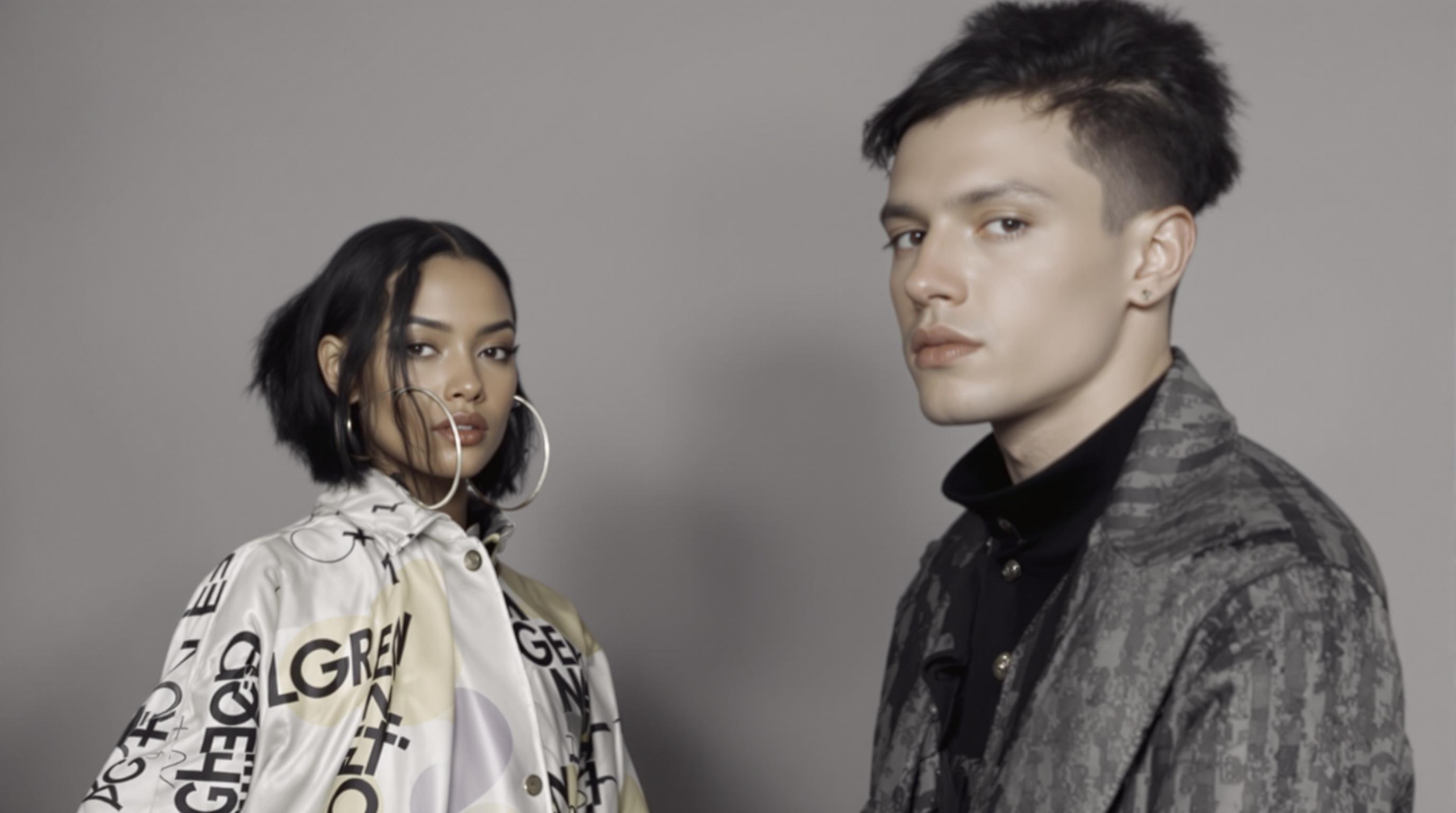
The rise of gender fluidity in fashion reflects a growing societal shift toward dismantling traditional gender norms, ultimately redefining market dynamics and consumer identity. This article explores the multifaceted impact of ambiguous fashion, providing insights through statistics, case studies, and personal narratives.
The Evolution of Gender Fluidity in Fashion
Once upon a time, fashion was clearly divided into “men’s” and “women’s” sections, each saturated with rigidly defined styles and colors dictated by outdated societal norms. However, recent years have seen a rebellious response to these constraints, creating room for flexibility and individuality in personal expression.
Statistics from a 2020 report by the market research firm Grand View Research show the global gender-neutral fashion market is anticipated to reach $30 billion by 2026. This staggering figure not only highlights the economic potential behind gender fluidity but also signals a monumental cultural shift in the fashion industry.
Breaking Down Barriers with Ambiguous Fashion
Ambiguous fashion is characterized not merely by the blurring of traditional gender lines, but also by a nuanced understanding of identity itself. It reflects a societal movement where individuals can blend elements of clothing that were once deemed exclusive to a particular gender. Think the classic oversized blazer; a staple once claimed by the masculine wardrobe is now seamlessly paired with form-fitting dresses or skirts.
As an 18-year-old fashionista from California, Jamie speaks candidly about how the rise of gender fluidity has changed their personal style: “I never really felt like I fit into the ‘girl’ category, and now I can express myself authentically, mixing and matching styles without judgment.” This sentiment encapsulates the essence of gender fluidity in fashion. It's about freedom, choice, and breaking free from established conventions.
Case Studies: Brands Leading the Way
Particularly compelling is the impact of brands like Telfar and Phlemuns, which have gained massive traction by embracing gender fluidity. Telfar’s motto, “It’s not for you—It’s for everyone,” encapsulates an inclusive philosophy. Their famous shopping bags are now coveted items among fashionistas, transcending gendered limitations.
Another notable example is Phlemuns, a brand known for its unisex clothing line that emphasizes comfort and creativity. In campaigns, Phlemuns has notably featured models who are non-binary, reinforcing the message that fashion should cater to all identities, not just traditional binaries. As a result, they’ve found a dedicated consumer base among millennials and Generation Z, eager to express their individuality.
Consumer Identity: Beyond the Products
Fashion is about more than just the clothes we wear; it’s a reflection of our identity. For many young consumers, embracing ambiguous fashion helps them embrace different aspects of themselves, leading to a newfound sense of self-acceptance. This exploration often comes with personal storytelling, where individuals share their journeys towards self-discovery intertwined with their fashion choices.
The Role of Social Media
Social media platforms, particularly Instagram and TikTok, have accelerated this trend by providing visual spaces for sharing diverse fashion expressions. According to a survey by Pew Research Center, 69% of American adults utilize social media, making it a powerful tool for shaping attitudes about fashion and identity.
For example, using the hashtag #genderfluid, TikTok users showcase their outfits and experiences, illuminating the variety and scope of gender expressions available. The term “gender fluid” often trends on social media, with users regularly sharing videos explaining their identity and showcasing their style choices in real-time.
The Economic Impact of Gender Fluidity
As gender fluidity continues to gain traction, companies have started to actively consider how to adapt their offerings. A 2021 McKinsey report indicated that brands investing in inclusion could increase their market share by as much as 15%. This data proves that embracing gender fluidity is not just a ethical choice but a smart business strategy.
Brands like Nike have taken strides to cater to a more fluid consumer base by introducing unisex clothing lines. The ‘Nike by You’ campaign allows customers to customize shoes according to their preferences, removing gendered labels while allowing for personal expression. The success of such initiatives demonstrates how adaptability can yield market advantages.
The Culture of “Who's Wearing What”
But let’s not kid ourselves; with great fashion comes great responsibility. One of the humorous side effects of the ambiguous fashion movement is the phenomenon of “who’s wearing what.” People are now endlessly trying to guess the gender of someone based solely on their outfit. The truth is, this adds a layer of fun, or confusion, depending on how entrenched one is in traditional views. When in doubt, just ask! Just kidding—maybe not. After all, fashion is meant to be playful.
Challenges and Pushbacks
While the rise of gender fluidity in fashion is exciting, it is not without challenges. Traditional retailers may resist adjusting their marketing strategies and product lines to accommodate changing consumer needs. Additionally, misconceptions about gender fluidity often lead to backlash, predominantly from older generations who may still adhere to conventional beliefs about gender.
Educational initiatives, along with advocacy by younger generations, play a crucial role in bridging these gaps. Embracing workshops and panels that raise awareness about gender fluidity can help dismantle harmful stereotypes and enable brands to thrive in an increasingly diverse marketplace.
The Future of Fashion in the Age of Gender Fluidity
Looking ahead, it seems that the intersection of gender fluidity and fashion will only deepen, leading to an even richer tapestry of choices for consumers. Arnold, a 45-year-old marketing manager, observes, “I wish I’d had the freedom to express my style like today’s youth do. My kids wear what they want, and it’s incredible to see them celebrate their unique identities.”
As the lines between traditional gender categories continue to blur, we can expect to see even more brands emerging that challenge norms. Niche designers focusing solely on gender-neutral clothing are likely to keep popping up like trendy little mushrooms in a forest—each one with its own unique take on fashion that defies boundaries.
Final Thoughts
The rise of gender fluidity isn't just a fleeting trend; it represents a transformative cultural moment that’s reshaping how we view ourselves and each other through the lens of fashion. By embracing ambiguous styles, brands can not only boost their market dynamics but also contribute to a cultural shift that values diversity, inclusion, and self-expression.
So go ahead—play with your wardrobe. Mix those gender norms and feel fabulous while doing it! The journey of fashion is just beginning, and it’s one we’re all invited to join.
Read More