Related Articles
- Fashion's Second Skin: The Underbelly of Wearable Tech and Its Surprising Roots in Previous Iconic Styles
- Shadows of Style: The Controversial Anti-Fashion Movements That Shook the Industry from Within
- Silent Statements: The Impact of Minimalism in Fashion's Most Overlooked Decades
- Distorted Reflections: The Role of AI in Shaping Fashion Perceptions and Consumer Trust in 2023
- Dressing the Future: How AI-Generated Designs Could Revolutionize Creativity and Profitability in Fashion
- The Art of Unfashion: How Anti-Fashion Movements are Reshaping Consumer Expectations and Market Strategies
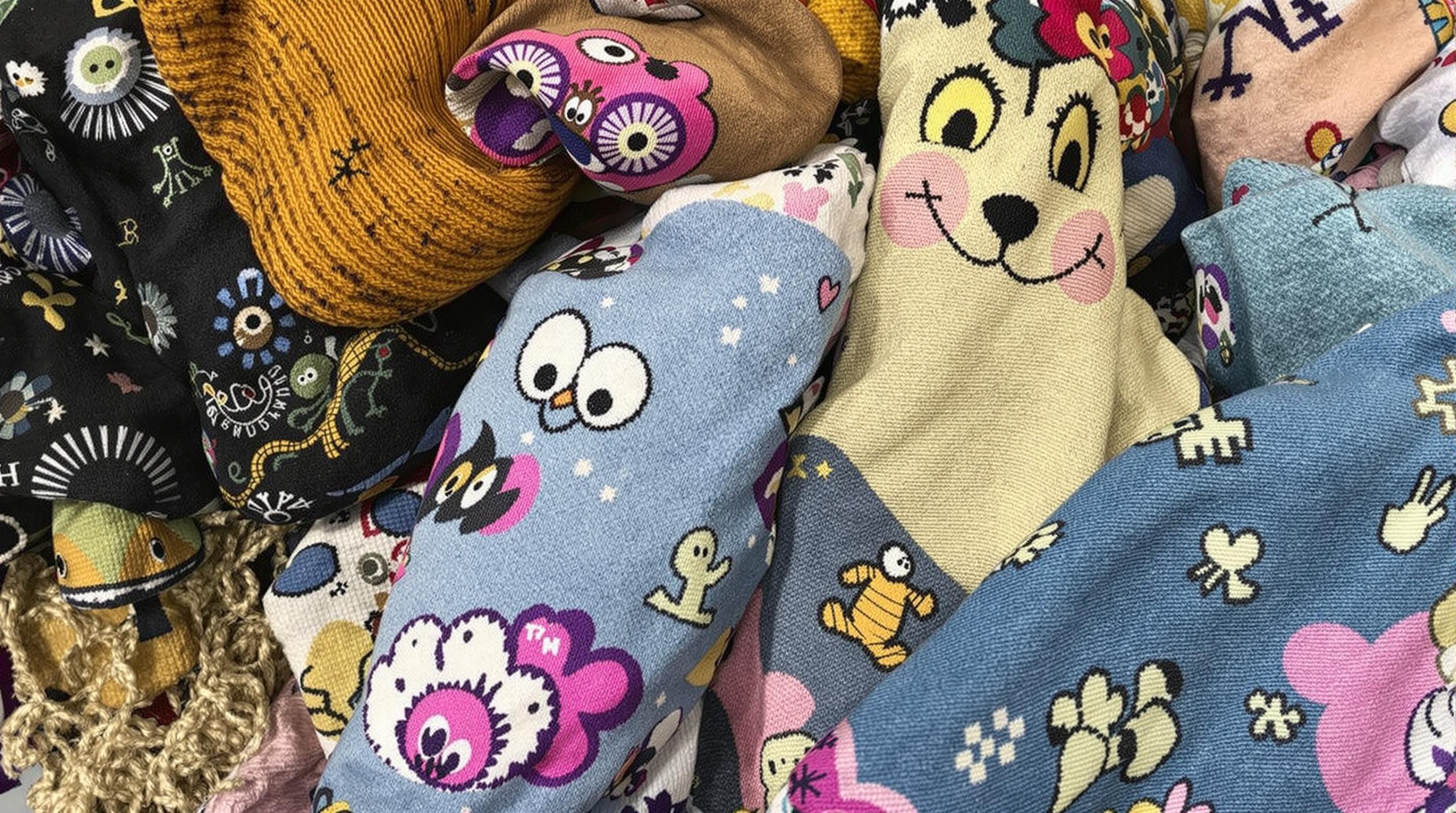
The Secret Life of Fabrics: How Biodegradable Textiles Could Disrupt Fashion’s Environmental Impact
The Secret Life of Fabrics: How Biodegradable Textiles Could Disrupt Fashion’s Environmental Impact
The world of textiles is undergoing a transformative shift as biodegradable fabrics emerge, offering a sustainable alternative to the notorious environmental impact of traditional fashion. This article explores the lifecycle of these innovative materials, their potential disruptions within the fashion industry, and why they may hold the key to a more eco-friendly tomorrow.
The Fabric of Our Lives: An Overview
Before diving into the depths of biodegradable textiles, it's essential to understand the current state of the fashion industry. According to the United Nations, the fashion industry contributes to more than 10% of global greenhouse gas emissions. Traditional materials like polyester and nylon, derived from fossil fuels, are not only harmful during their production but also when they reach the end of their lifecycle. To give you a sense of urgency, a staggering 92 million tons of textile waste is generated globally every year. That’s like throwing away a garbage truck full of clothes every second! (Ellen MacArthur Foundation, 2017)
The Anatomy of a Biodegradable Textile
At the heart of the discussion on biodegradable textiles lies their composition. Unlike conventional fabrics, biodegradable textiles are made from organic materials that can decompose when exposed to certain environmental conditions. Common examples include organic cotton, linen, and Tencel, a fiber made from sustainably sourced wood pulp. A popular choice for fashion brands looking to go green, Tencel is lauded for its low water usage during production and its ability to break down in soil or industrial compost facilities.
Case Study: The Rise of Eco-Friendly Brands
Leading the charge in sustainable fashion, brands like Patagonia, Reformation, and Stella McCartney have made significant strides towards adopting biodegradable textiles. Patagonia has been a trailblazer since the ‘90s, championing recycled wool and organic cotton in its products. Meanwhile, Reformation has developed a “RefScale” that measures the environmental impact of each garment. They not only use eco-friendly materials but also inform consumers about the benefits of biodegradable options, thereby creating a conscious consumer base. Their goal? To make sure that "the fashion industry is a force for good." (Reformation Website)
The Light-Hearted Side of Biodegradable Textiles
Let’s face it—some people think going green means frolicking in hemp skirts and wearing shoes made of recycled newspapers. But fear not; the innovation in biodegradable textiles has led to some seriously chic options! Imagine strutting down the street in a glamorous dress made entirely from corn-based fibers that you could compost after wearing. Yes, it’s fashionable and environmentally conscious—it’s like being the superhero of the green revolution, one outfit at a time.
The Science Behind Biodegradable Magic
Many biodegradable textiles rely on natural polymers that microorganisms can easily break down. For instance, polylactic acid (PLA) is often derived from corn starch and can decompose in industrial composting conditions. This process takes a few weeks, compared to traditional polyester, which can take centuries to degrade. Imagine trekking through a landfill in 200 years and still seeing an intact polyester shirt; that's not the legacy we want to leave behind, right?
Consumer Consciousness: From Indifference to Awareness
Changing the course of the fashion industry often starts with the consumer. A recent survey revealed that 66% of global consumers are willing to pay more for sustainable brands, a trend suggesting that people are becoming more aware of their fashion choices (Nielsen, 2018). As the younger generations—especially millennials and Gen Z—become the predominant market drivers, their demands for transparency and sustainability will push brands to adopt eco-friendly practices; biodegradable textiles are at the forefront of this movement.
Why Should You Care?
You might be wondering why biodegradable fabrics should matter to you. Let’s break down the effects of your closet choices: by investing in sustainable textiles, you’re not just supporting eco-friendly practices, but also promoting a paradigm shift in how fashion is perceived. Feeling good in your clothes is one thing, but knowing they won’t sit in a landfill forever adds a warm fuzzy feeling that even the coziest sweater can’t replicate!
The Roadblocks Ahead
Despite the promising future of biodegradable textiles, certain obstacles still pose a challenge. For instance, scalability is a concern. The sourcing and production of high-quality biodegradable fabrics can be more expensive than conventional methods, making it harder for smaller brands to compete. Moreover, the lack of consumer awareness about the maintenance and proper disposal of these fabrics can lead them to end up in landfills, thereby defeating their purpose.
Fashion Forward: The Evolution of Biodegradable Textiles
The next decade could witness a tectonic shift in the fashion landscape as companies invest in innovation—think textiles engineered to decompose in home composts . In addition, advancements in technology may lead to even more sustainable options. Startups like BioFabricate and Modern Meadow are experimenting with lab-grown materials, creating textiles that not only mimic conventional counterparts but also biodegrade at a significantly faster rate. A future where your clothes could literally turn into nutrient-rich soil instead of a landfill nightmare suddenly seems much more appealing, doesn’t it?
The Power of Collaboration
Interestingly enough, collaboration among brands, academia, and governmental bodies is vital in driving the biodegradable textile movement. Initiatives like the Sustainable Apparel Coalition (SAC) highlight how companies, big and small, can share resources and knowledge to foster a more sustainable fashion ecosystem. The pooling of resources benefits everyone and ensures that the results are impactful and multifaceted. Picture a box of crayons— it’s not just one color that makes a masterpiece, but the blending of several to create something extraordinary.
Global Implications: A Sustainable Fashion Movement
Let’s zoom out for a moment. The transition to biodegradable textiles is not merely a fashion trend; it's a part of a larger movement toward sustainability within various industries worldwide. Countries have begun enforcing stricter regulations and encouraging the circular economy, and companies that pivot towards biodegradables could find themselves at a competitive advantage. For example, the European Union's plans for a Circular Economy Action Plan may usher in new standards that will elevate biodegradable textiles, making them essential to compliance.
The Bottom Line: A Brighter, Greener Future
In conclusion, the secret life of fabrics is evolving at lightning speed, thanks to biodegradable textiles that stand to revolutionize not just fashion but our entire relationship with the environment. Each garment tells a story—a story of innovation, responsibility, and the hope for a cleaner planet. It's time for us to step up as informed consumers and advocate for this transformation, ensuring that fashion can thrive in harmony with nature.
So, grab your favorite biodegradable fabric—it's time to elevate your wardrobe while making a difference. Remember, every small step counts, and together, we can disrupt the fashion industry's environmental impact for a more sustainable future!
Read More