Related Articles
- Fashion's Second Skin: The Underbelly of Wearable Tech and Its Surprising Roots in Previous Iconic Styles
- Shadows of Style: The Controversial Anti-Fashion Movements That Shook the Industry from Within
- Silent Statements: The Impact of Minimalism in Fashion's Most Overlooked Decades
- Distorted Reflections: The Role of AI in Shaping Fashion Perceptions and Consumer Trust in 2023
- Dressing the Future: How AI-Generated Designs Could Revolutionize Creativity and Profitability in Fashion
- The Art of Unfashion: How Anti-Fashion Movements are Reshaping Consumer Expectations and Market Strategies
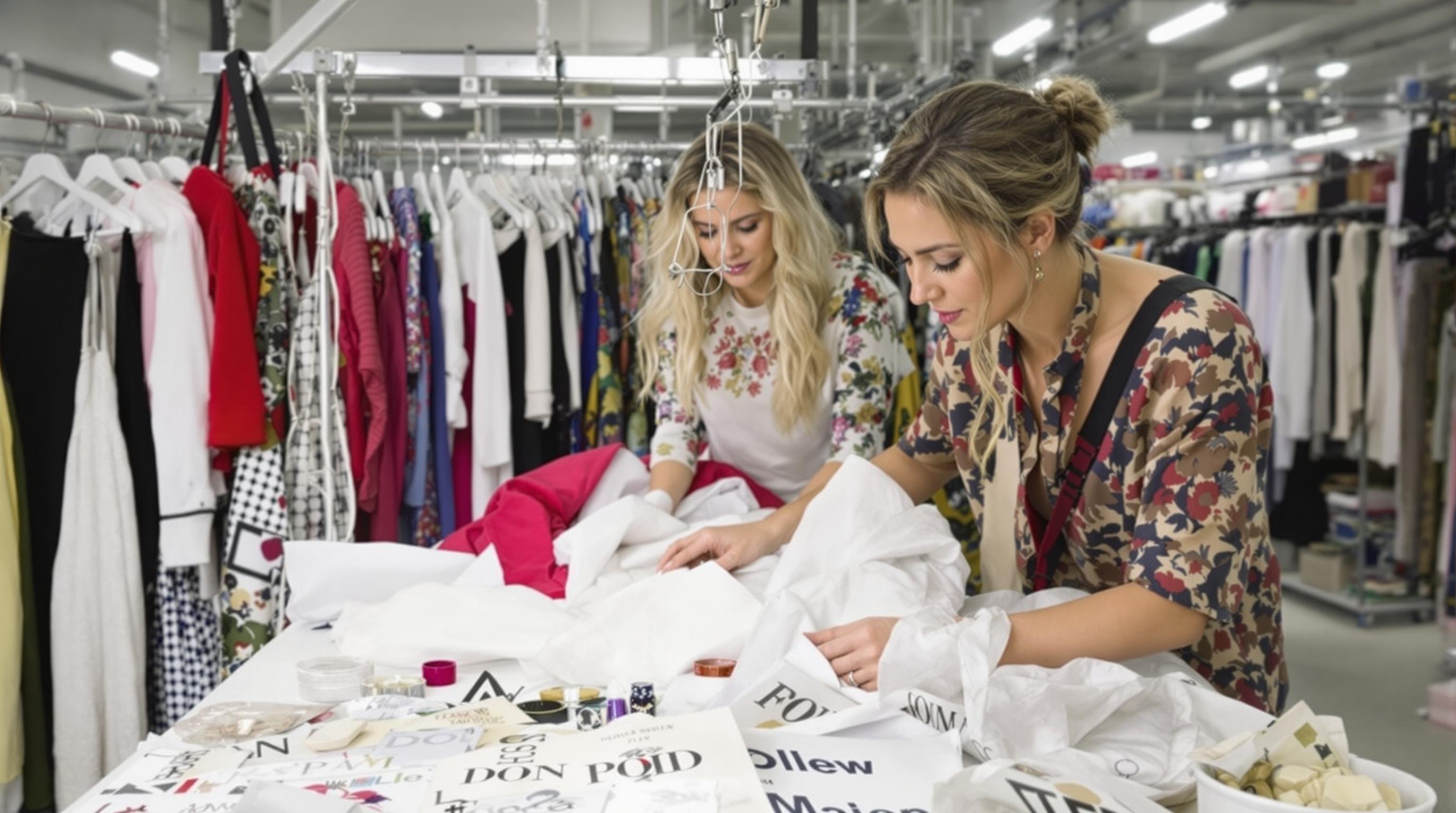
Unveiling the Unseen: How Sustainable Practices Are Transforming Fashion’s Hidden Supply Chains
Unveiling the Unseen: How Sustainable Practices Are Transforming Fashion’s Hidden Supply Chains
As fashion's hidden supply chains undergo a revolutionary transformation, sustainable practices are not just a trend but an essential movement redefining the industry. From ethical sourcing and reduced waste to innovative materials, this article explores the profound impact of sustainability on the unseen parts of fashion.
Understanding the Invisible Threads
Fashion has always been a complex tapestry of creativity, innovation, and unfortunately, exploitation. However, behind the dazzling storefronts and glamorous runways, lies a murky world characterized by environmentally damaging practices and labor exploitation. The Global Fashion Agenda reported that the fashion industry accounts for 10% of global carbon emissions, posing significant threats to our planet and affecting those who work within its supply chains.
Sustainable Sourcing: A Paradigm Shift
Imagine stepping into a store where every single item reflects not just the fashion house's aesthetics but also its commitment to ethical sourcing. Major brands like Stella McCartney and Patagonia are leading the charge, utilizing organic and recycled materials to produce their garments. According to a report from McKinsey & Company, brands adopting sustainable sourcing witnessed a 55% boost in customer loyalty. Sounds promising, right?
The Power of Transparency
To foster a sustainable future, transparency is the golden rule of the game. Increasingly, consumers demand to know where their clothes come from and how they are made. This desire has compelled brands to implement blockchain technology, allowing them to track and verify every step of their supply chains. A study conducted by the IBM Institute for Business Value found that 57% of consumers are willing to change their shopping habits to reduce their environmental impact.
The Human Element
Now let's talk about the unsung heroes: the workers. Often, they toil in shadows, far removed from the spotlight while producing garments that reach luxury boutiques and high-street stores. Brands like Everlane have embraced radical transparency, showcasing their factories and revealing the true cost of their products, including wages paid to workers. This approach not only builds trust with consumers but also empowers individuals across the globe.
Picture this: a garment worker in Bangladesh, earning a living wage and working in safe conditions. In reality, that’s a rare scenario, but initiatives like the Ethical Trading Initiative (ETI) aim to improve labor conditions. They focus on monitoring factories and ensuring adherence to fair labor practices. When humanity intersects with supply chains, the impact can be monumental.
Waste Not, Want Not: The Circular Economy
The concept of a circular economy has been gaining traction in fashion as a response to the rampant issue of waste. Did you know that the fashion industry is responsible for 92 million tons of waste annually (Fashion For Good)? Shocking, isn't it? Enter sustainable brands like Reformation and Outdoor Voices, who embrace the idea of recycling and reusing materials to create new products. By implementing take-back schemes and encouraging consumers to recycle, they are turning this fashion nightmare into a sustainable dream.
A Case Study: Levi Strauss & Co.
Takes us deeper into the circular economy discussion. Levi’s has made a significant commitment to sustainability with its “WellThread” collection. Each piece is crafted with social and environmental integrity—from the cotton used to the dyes applied. Last season, the brand reported 67% of its cotton was sourced sustainably. With aggressive waste reduction initiatives and strong recycling programs, Levi's is not just dressing consumers; they’re pioneering a sustainable movement.
Engaging the New Generation
The arrival of Gen Z and millennials on the fashion scene has sparked change. These digital natives wield immense purchasing power, with a penchant for values-driven buying habits. A survey by McKinsey found 67% of consumers consider the use of sustainable materials important when making a purchasing decision. This shift is forcing brands to adapt, fast! Gone are the days when consumers only cared about style; now they demand substance.
Let’s make this personal for a second. If you’re a teenager shopping for your first pair of jeans, wouldn’t you feel good knowing that your choice supports fair wages for the workers who made them? Today's young shoppers seek brands that align with their values, a sentiment echoed in numerous studies highlighting the increasing demand for sustainable fashion options.
A Little Humor Never Hurt!
Alright, let’s inject some humor into the mix. Ever tried explaining your fashion choices to your parents? “These sustainably made sneakers were $200, but they saved two baby turtles!” They looked at you like you were crazy! But in truth, making a conscious purchase is like adopting a pet; it’s not just about the cuteness factor. It’s about commitment, ethics, and sometimes even saving the planet while looking fabulous.
Innovative Materials to the Rescue
A significant factor in transforming fashion's supply chains is the advent of innovative materials. From mushroom leather to pineapple fibers, sustainable materials are taking the fashion world by storm. Brands like Pangaia utilize bio-engineered fabrics that are not just eco-friendly but offer enhanced performance. According to a 2022 study published in the Journal of Cleaner Production, such materials drastically lower the carbon footprint compared to conventional fabrics.
Your Friendly Neighborhood Tailor: The Rise of Customization
Have you noticed more brands offering customization options lately? The shift towards personalized garments not only caters to individual style but also reduces overproduction. Tailoring allows brands to minimize waste while giving consumers what they want. Incentivizing consumers to buy based on their unique preferences leads to smarter purchasing and less unworn clothing cluttering closets.
Towards a Sustainable Future
In conclusion, the tide is turning. Fashion's hidden supply chains are uncovering sustainable practices that influence everything from sourcing to production. But change doesn't happen in isolation; it requires collaboration across sectors, innovative thinking, and, most importantly, consumer demand to drive this movement forward.
Be the Change!
As the old saying goes, "Be the change you wish to see in the world." But what does it look like in practical terms? It means choosing brands that prioritize sustainability, advocating for ethical practices, and even sharing your insights with friends and family. Every small action—inquiring about sourcing, recycling your clothing, or simply spreading awareness—can lead to significant ripples of change in the fashion industry.
Are you ready to participate in this revolution? Grab your eco-friendly tote, start researching brands, and let your choices reflect the kind of future you want to see. Who knew fashion could be a force for good?
Final Thoughts
Transforming fashion’s hidden supply chains through sustainable practices isn’t just an elevated concept; it’s essential. With committed brands, informed consumers, and a collective push towards circular economies, we can ensure a greener world for all. Because at the end of the day, the power to change the fashion landscape lies, quite literally, in our hands.
Read More