Related Articles
- Fashion's Second Skin: The Underbelly of Wearable Tech and Its Surprising Roots in Previous Iconic Styles
- Shadows of Style: The Controversial Anti-Fashion Movements That Shook the Industry from Within
- Silent Statements: The Impact of Minimalism in Fashion's Most Overlooked Decades
- Distorted Reflections: The Role of AI in Shaping Fashion Perceptions and Consumer Trust in 2023
- Dressing the Future: How AI-Generated Designs Could Revolutionize Creativity and Profitability in Fashion
- The Art of Unfashion: How Anti-Fashion Movements are Reshaping Consumer Expectations and Market Strategies
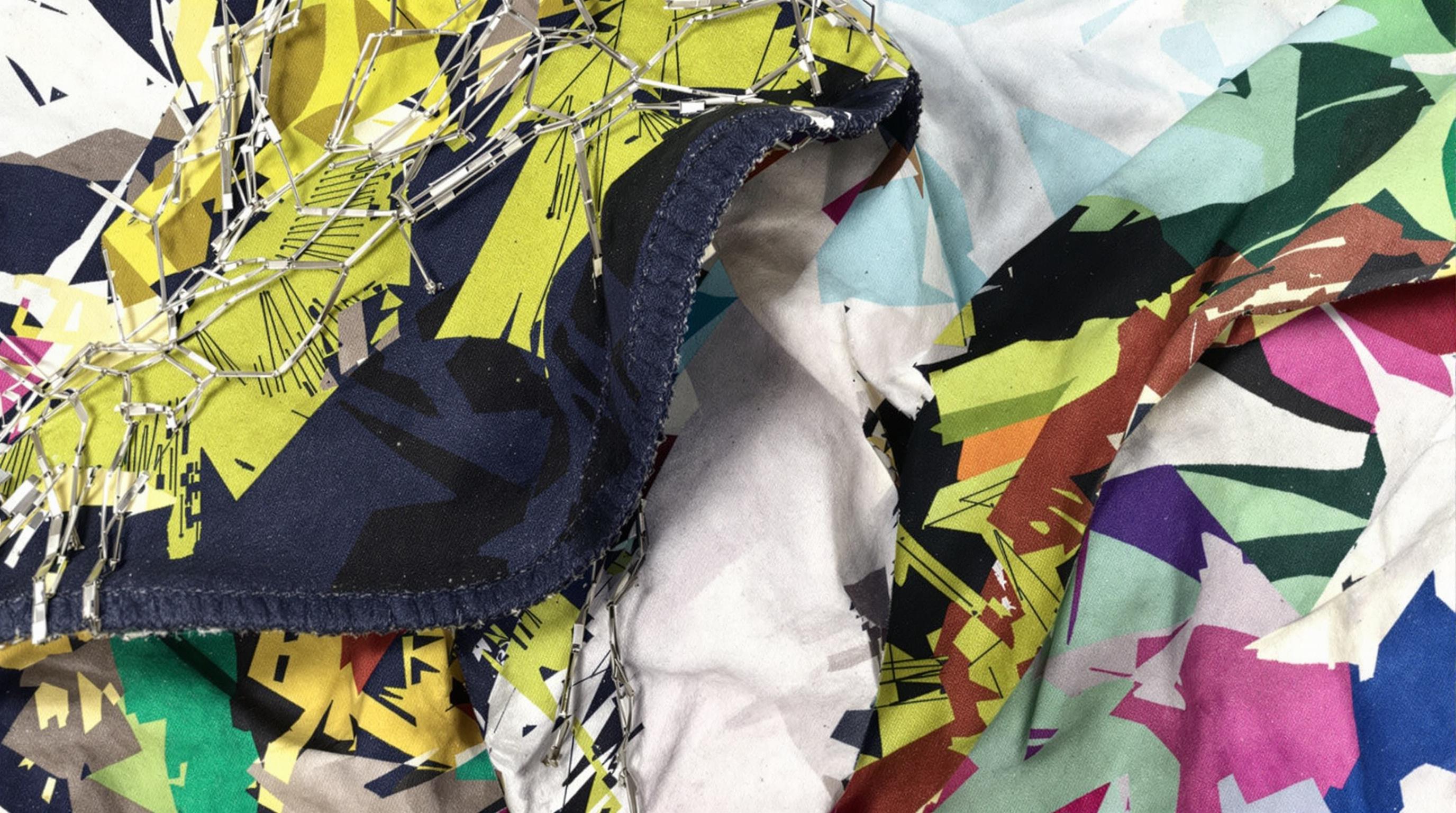
The Art of Disruption: How Unpredictable Textiles Are Redefining Conventional Fashion Design Foundations
The Art of Disruption: How Unpredictable Textiles Are Redefining Conventional Fashion Design Foundations
The fashion industry is undergoing a radical transformation, driven by unpredictable textiles that challenge the very foundations of conventional design. From sustainable materials to innovative manufacturing techniques, this article explores how these disruptions are shaping the future of fashion.
The Rise of Unpredictable Textiles
More than just a fad, the shift towards unpredictable textiles represents a pivotal moment in fashion history. According to a 2022 report by McKinsey & Company, the global textile industry is projected to reach $1 trillion by 2025. Yet, amid this growth, a growing demand for sustainability and innovation is stirring deeper changes.
Breaking Down Traditional Barriers
Never has the adage "expect the unexpected" been more applicable than in today's textile innovations. Designers are increasingly turning to unconventional materials, such as algae, recycled plastics, and even innovative bio-fabrics, giving rise to a new era of creativity. Stella McCartney and her commitment to sustainable practices exemplify this trend, showing that ethical fashion can be both cutting-edge and aesthetically pleasing.
An Unexpected Love Story: Textiles and Technology
Once upon a time, textiles were merely pieces of fabric sewn together. Today, they are works of art infused with technology. For instance, designers are experimenting with smart textiles that can change color based on temperature or even monitor vital signs. A notable example includes the work of *Iris van Herpen*, whose stunning collection blended wearable technology with traditional craftsmanship, mesmerizing audiences at Paris Fashion Week.
Statistics that Shock: The Pull of Innovation
As of 2023, consumer demand for sustainable textiles has surged, with over 65% of millennial shoppers indicating a preference for brands focused on environmental responsibility (Nielsen, 2021). This rising consciousness is driving brands to adopt more innovative processes to create textiles that are not only visually striking but also ethically sound.
The New Age of Fashion Design
Fashion design has officially entered a new age. Once confined to studios and runways, the creative canvas is expanding to include DIY enthusiasts, small-scale artisans, and technological innovators. Who would've thought that everyday consumers could become trendsetters through platforms like TikTok, where creative hacks and textile experiments can go viral overnight?
A brilliant case study is *Norrköping’s textile lab* in Sweden. This collaborative space allows designers, researchers, and entrepreneurs to come together, experimenting with new materials and processes. Researchers there have developed textiles that glow in the dark using bioluminescent bacteria, merging science with fashion in ways previously unimaginable.
Fashion’s Role in Sustainability
Can fashion truly save the planet? Some may argue it’s a tall order, but consider this: the fashion industry accounts for about 10% of global carbon emissions, surpassing emissions from international flights and maritime shipping combined (UNEP, 2018). Unpredictable textiles not only offer an opportunity for designers to innovate but also compel them to act responsibly.
Circular Fashion: A Game-Changer
One of the most revolutionary concepts in fashion today is circular fashion. This philosophy promotes the idea of reusing and recycling materials to reduce waste and environmental impact. Brands like *Eileen Fisher* and *Patagonia* are leading the charge, focusing on producing garments that can be deconstructed and repurposed, ensuring that textiles do not end up in landfills.
The Humorous Side of Fashion Innovation
But let’s not forget the more amusing side of this journey. Take *H&M’s* “Conscious Collection,” which aims to eco-friendly trends. Some critics joke that the collection should be called "Conscious Confusion," given the myriad directions fast fashion pulls consumers. It goes to show that while the industry can be serious, it doesn’t have to be devoid of good humor!
Future Trends in Unpredictable Textiles
As we peer into the future, a wave of predictions floods in. The integration of augmented reality in fashion shows could redefine how we perceive textiles altogether. Imagine walking through a digital showroom where you can see designs come to life, hovering materials as you reach out to touch them in a tactile experience. Brands like *Balenciaga* are experimenting with virtual fashion shows, showcasing their collections alongside innovative textile designs.
Case Studies of Disruptive Brands
Consider the rise of *TOMS Shoes*, famous for its "One for One" business model. This brand not only illustrates a commitment to ethical practices but also emphasizes the importance of textile innovation. Using responsible sourcing and eco-friendly materials, TOMS has anchored its place in a market that increasingly values both style and sustainability.
Another forward-thinking example is *Ralph Lauren*, which has ventured into tech-driven textiles with their Polo line. By using moisture-wicking properties and temperature-regulating capabilities, Ralph Lauren is demonstrating that fashion can both perform and create a sophisticated aesthetic.
Innovative Marketing of Disruptive Textiles
In a world where consumers are inundated with choices, the way brands present their unpredictable textiles makes all the difference. Marketing strategies now harness social media platforms using influencers to showcase these innovations, creating buzz and excitement. A 2022 survey indicated that 84% of consumers trust peer recommendations over branded content, emphasizing the importance of community-driven marketing in today’s fashion landscape (Influencer Marketing Hub, 2022).
Creating Conversations: Engaging the Consumer
It's crucial for brands to foster dialogue with their audience. By leveraging platforms such as Instagram, blogs, and YouTube, fashion companies can create a narrative that customers resonate with. An excellent example is *Reformation*, a brand that openly shares its sustainability practices and engages directly with its community, inviting feedback and collaboration.
The Revolving Door of Trends
Let’s take a moment to reflect on something that might seem trivial but is essential in fashion design: trends are just that—trends. They come and go! Remember the 80s mullet or the 2000s low-rise jeans? While they might have been a staple in their day, today’s unpredictable textiles highlight trends that don't just appear and fade, but rather revolutionize the framework of fashion itself.
Conclusion: Embracing the Unpredictable
At the end of the day, the art of disruption exposes both fashion designers and consumers to the endless possibilities that lie within unpredictable textiles. As industry leaders and newcomers alike embrace this ever-evolving landscape, the appeal of ethical and innovative design will undoubtedly unravel new layers of creativity. The question remains: are we ready to embrace this change, or will we cling to conventional ways in a world that demands evolution?
Perhaps, the next time you step into a clothing store, you’ll take a moment to consider the textiles behind that fabric. After all, the tapestry of our world is woven not just from fibers, but from the creativity and conscientiousness of those who dare to disrupt the norm.
Read More