Related Articles
- Fashion's Second Skin: The Underbelly of Wearable Tech and Its Surprising Roots in Previous Iconic Styles
- Shadows of Style: The Controversial Anti-Fashion Movements That Shook the Industry from Within
- Silent Statements: The Impact of Minimalism in Fashion's Most Overlooked Decades
- Distorted Reflections: The Role of AI in Shaping Fashion Perceptions and Consumer Trust in 2023
- Dressing the Future: How AI-Generated Designs Could Revolutionize Creativity and Profitability in Fashion
- The Art of Unfashion: How Anti-Fashion Movements are Reshaping Consumer Expectations and Market Strategies
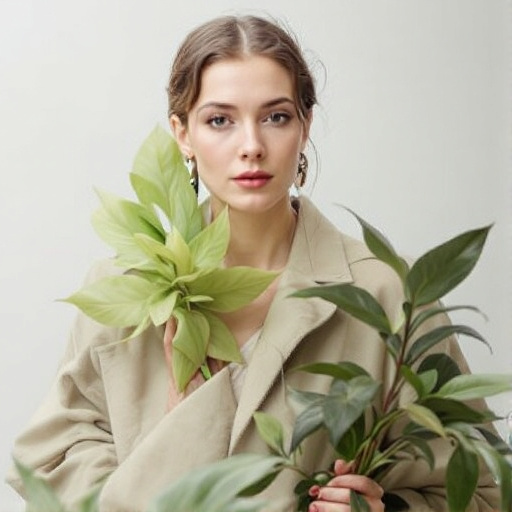
The Forgotten Influence: Nature's Role in Shaping the Future of Fashion Aesthetics and Sustainability
The Forgotten Influence: Nature's Role in Shaping the Future of Fashion Aesthetics and Sustainability
Fashion is undergoing a profound transformation, intertwining aesthetics with the principles of sustainability while drawing inspiration from nature. As we delve into this interplay, we discover the forgotten influence of the natural world, an essential steerer of future fashion trends and practices.
Understanding Nature’s Influence
Nature has long served as a muse for designers, providing everything from color palettes to textures. Think of the calming blues of a serene ocean or the vibrant greens of a lush rainforest; these are elements that have often made their way into fashion runs. But with an increasing urgency around sustainability, nature’s role is evolving beyond mere aesthetics.
Statistics Speak Volumes
According to a report by the Ellen MacArthur Foundation, the fashion industry is responsible for 10% of global carbon emissions (Ellen MacArthur Foundation, 2021). This staggering figure underscores the urgent need for sustainable practices as we bridge the chasm between fashion and environmental impact.
The Case of Stella McCartney
One shining example of this integration is Stella McCartney, who has built her brand on the foundation of sustainability. She famously said, "We have the resources to be more responsible with how we utilize the environment and the world," and her collections utilize innovative, eco-friendly materials such as organic cotton and recycled polyester, showcasing how beauty can align with ecological ethics.
A Walk Through the Garden of Aesthetics
Imagine walking through a garden, where each flower speaks a different language of color and shape. Nature teaches us about beauty not just through vibrancy but also through harmony. Designers are increasingly echoing this sentiment, moving towards organic shapes and forms inspired by the flora and fauna that surround us.
The Role of Technology
Here’s where it gets interesting: technology is redefining how nature inspires fashion. Advances in research are allowing for the development of bio-fabrications—materials that mimic nature's processes. For instance, mycelium leather is gaining traction as a sustainable alternative to animal leather. This trend not only helps lower the carbon footprint associated with traditional leather production but also tells a story of innovation rooted directly in nature.
Consumer Awareness
Statistics reveal that 66% of global consumers are willing to pay more for sustainable brands (Nielsen, 2022). This paradigm shift indicates that consumers are actively seeking eco-conscious choices. The blend of nature’s inspiration with sustainability is a win-win for brands looking to stay relevant in an increasingly environmentally-conscious market.
Lessons from Indigenous Practices
Delving deeper, one finds that indigenous cultures possess invaluable lessons on the symbiotic relationship between fashion and nature. These cultures traditionally fashioned garments from natural resources, emphasizing respect and sustainability. Brands like Oiselle and Patagonia are collaborating with indigenous communities to create lines that honor these practices while educating consumers on their significance.
The Humor in High Fashion
Let’s take a minute for laughter. Can you imagine a fashion show where the models strut down the runway wearing dresses made of real vegetables? Picture a runway adorned with kale and carrots, generating buzz around the deep-rooted (pun intended!) connection to natural living. While this might push the boundaries of fashion, it humorously highlights the absurdity of our planet's resource exploitation.
The Growing Popularity of Upcycling
In recent times, another trend gaining traction is upcycling—taking old materials and giving them a new life. Once considered a mere thrift store practice, upcycling has transformed into a high-fashion statement. Trails of fashion houses like Re/Done and Eileen Fisher illustrate how vintage garments can be remodeled into chic pieces, capturing the essence of environmental responsibility while showcasing one-of-a-kind artistry.
Redefining Trends with Each Cycle
Trends aren’t fixed; they evolve just as seasons change. The circle of life doesn’t just apply to nature; it resonates within the fashion world too. As we care deeper for our planet, we are beginning to define trends that align with healthy living and sustainable practices. These are no longer "passerby" trends; they are reshaping the foundational codes of style.
Fashion Biodesign: The Future is Bright and Green
Fast fashion is on the decline, and new movements toward biodesign are taking its place. Think of a future where clothing is not only grown but equally decayed in harmony with nature. Research from the Harvard Business Review suggests that biodesigned materials can help produce a closed-loop system in fashion, mitigating waste and consumption issues.
Back to the Future with Nature
Fashion often looks to the future, yet it sometimes neglects the past. Let’s take a moment to appreciate how our heritage in clothing—whether it’s handwoven, dyed with natural pigments from plants or shaped by traditional craftsmanship—plays a massive role in sustainable fashion narratives today. Embracing these techniques, brands can create timeless pieces while also decreasing their ecological impact.
Case Studies Fueling Change
The case of Adidas serves as a remarkable study in merging technology with a commitment to sustainability. Their Parley for the Oceans line, which utilizes waste plastics intercepted from marine environments, is a prime example of the stunning potential when brands commit to a cause that marries nature with fashionable wear.
A Personal Journey: Finding Meaning in Material
As a 26-year-old with a penchant for sustainable living, my own fashion journey has mirrored the larger narrative about nature’s contribution. I recall scrounging through thrift shops on weekends, discovering unique pieces while consciously keeping waste to a minimum. Each find wasn’t just a piece of clothing, but a story—a connection to the past and a commitment to shape a more sustainable future.
Persuasion Through Purpose
For brands seeking relevance today, aligning with nature isn’t just a marketing tool; it’s a necessity. The market is changing, and those who choose to ignore the call of sustainability are the ones who risk becoming obsolete. Are consumers drawn into the allure of items that speak to a larger purpose? Absolutely. Let’s dare to imagine the future of fashion—a world where every piece has a story tied to its roots.
Designer Spotlight: The New Vanguard
Emerging designers like Marine Serre are pushing the envelope by integrating upcycled and organic materials into their work. At a recent show, Serre showcased a collection that highlighted how waste can be transformed into innovation. This reflects not only an aesthetic but also a deeper commitment to rethink our fashion ecosystem.
The Colors of Change
Always remember that each color you see around you can be traced back to nature. The vibrant purples and deep greens that adorn the latest collection are far more than art; they tell a story of biodiversity and color science, escalating our appreciation for the world we inhabit. As designers harness nature’s palette, they educate us on the significance of color as a direct reflection of our current ecological state.
A New Consciousness
Finally, the shift toward nature-inspired aesthetics and sustainable practices marks the dawn of a new consciousness in the fashion industry. Consumers, no matter their age, are hungry for products that align with their values. The stories they wear reflect their commitment to a future where fashion and nature can coexist harmoniously.
Conclusion: An Ever-Evolving Relationship
So, what have we learned? Nature’s role in shaping fashion aesthetics and sustainability is not just forgotten lore; it is an evolving, intertwined relationship that promises to define the future of the industry. As we continue to cherish the earth’s beauty and resources, we simultaneously pave the way for a climate-friendly, fashionable tomorrow.
And remember, the next time you slip on a garment, consider the journey it took—its threads winding through the past, present, and future of fashion, colored by the inspiration of nature itself.
Read More