Related Articles
- Fashion's Second Skin: The Underbelly of Wearable Tech and Its Surprising Roots in Previous Iconic Styles
- Shadows of Style: The Controversial Anti-Fashion Movements That Shook the Industry from Within
- Silent Statements: The Impact of Minimalism in Fashion's Most Overlooked Decades
- Distorted Reflections: The Role of AI in Shaping Fashion Perceptions and Consumer Trust in 2023
- Dressing the Future: How AI-Generated Designs Could Revolutionize Creativity and Profitability in Fashion
- The Art of Unfashion: How Anti-Fashion Movements are Reshaping Consumer Expectations and Market Strategies
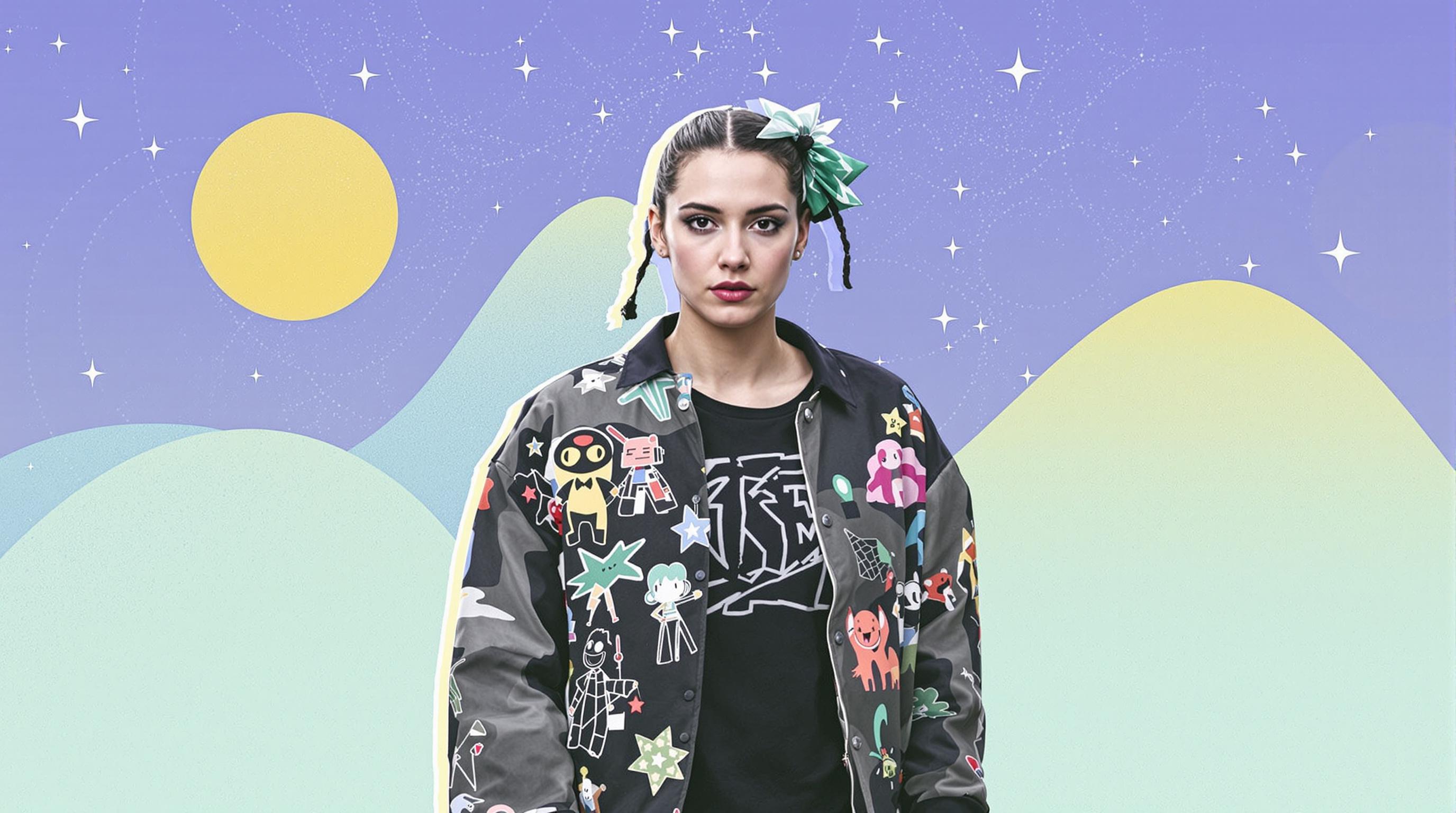
Dare to Be Different: The Resurgence of DIY Fashion as a Form of Personal Expression in a Globalized World
Dare to Be Different: The Resurgence of DIY Fashion as a Form of Personal Expression in a Globalized World
In a world dominated by mass-produced fashion and global brands, the revival of DIY fashion has emerged as a powerful vehicle for personal expression. This article explores the cultural significance and transformative potential of creating one’s own garments, showcasing examples, statistics, and personal stories to highlight this creative movement.
More Than Just Clothes: The Philosophy Behind DIY Fashion
DIY fashion isn’t merely about sewing a skirt or transforming a t-shirt; it’s about reclaiming individuality in an overcrowded fashion marketplace. As the late fashion designer Alexander McQueen famously stated, "Fashion should be a form of escapism, and not a form of imprisonment." This philosophy holds true in today’s DIY movement.
A Stitch in Time: The Crafting Community's Rise
Statistics show that 72% of millennials are redefining the concept of fashion through sustainable practices, with a significant portion leaning toward homemade and upcycled clothing (Sustainable Fashion Insights, 2023). The allure of crafting is not just confined to the millennial demographic. In fact, a growing number of older generations are discovering the joys of getting hands-on with textiles, fostering a multi-generational crafting community.
Fashion's Dark Side: Confronting Fast Fashion
In a market flooded with fast fashion, the staggering statistic that 92 million tons of textile waste end up in landfills each year is alarming (UNEP, 2021). The environmental impact of disposable garments has pushed individuals to explore the DIY sector. By creating their own clothes, crafters often adopt sustainable practices that minimize waste while ensuring a smaller carbon footprint.
The Empowerment of Creation
Let’s not forget the exhilarating feeling of wearing clothing that you made yourself. A personal story from Sarah, a 28-year-old graphic designer, illustrates this sentiment perfectly. “When I created my own denim jacket and adorned it with patches representing my favorite bands, I was able to wear my identity proudly. It wasn’t just a jacket; it was a statement of who I am.”
Global Inspirations: DIY Fashion Across Cultures
DIY fashion knows no borders. From the intricate embroidery of Mexican Huipil blouses to the vibrant patchwork styles of West African kente cloth, inspiration flows freely across cultures. In urban centers like Tokyo, you’ll find subcultures that merge traditional techniques with modern streetwear aesthetics, showcasing how diverse fashion can be. This cultural exchange encourages a more profound sense of connectivity in our globalized world.
A New Age of Self-Expression
In the spirit of self-expression, platforms like Instagram and Pinterest empower individuals to showcase their creations, fostering a sense of community. The hashtag #DIYFashion boasts over 5 million posts on Instagram, proving that people of all ages are eager to share their clothing creations with the world. The social aspect of DIY can provide affirmation, encouragement, and inspiration tailored to personal styles.
Learning to Steal: Crafting Skills and Knowledge Sharing
The resurgence of DIY fashion is also rooted in the way skills are shared and learned. Community workshops in cities worldwide have become hubs for crafters to exchange techniques and ideas. One notable example includes Sew Over It, a UK-based sewing school that has gained a following among both novices and experienced crafters. Offering online and in-person courses, they emphasize that anyone can learn to sew, dismantling the myth that professional-looking garments are unattainable.
Age is Just a Number
What’s particularly encouraging about the DIY movement is its inclusivity. From 16-year-olds experimenting with thrift flip projects on YouTube to retirees joining knitting clubs, DIY fashion can be enjoyed by everyone. One heartwarming story comes from Elsie, a 68-year-old grandmother who took up crocheting during the pandemic. "I started making hats and donating them to the local shelter. It felt good to create something with my hands, and I connected with people I would never have met otherwise."
Fashion as a Political Statement
For many, DIY fashion transcends mere aesthetics; it serves as a canvas for political and social statements. Artists like Tatyana Fazlalizadeh have paved the way by using fashion to address issues like feminism and racial inequality through wearable art. By wearing pieces that tell compelling narratives, individuals can amplify their voices in a world often dominated by silence.
Breaking Barriers: The Financial Aspect
Let's talk numbers: The average American spends roughly $1,700 annually on clothing (Bureau of Labor Statistics, 2022). DIY fashion provides a way to break the bank's hold on personal style. By sourcing second-hand fabric or repurposing old clothes, individuals engage in creative problem solving, which can be both economical and fulfilling. Many DIY enthusiasts report saving upwards of 50% on their wardrobe costs through thoughtful creation.
The DIY Movement and Mental Health
In today’s manic, fast-paced world, engaging in crafts can provide much-needed respite for mental health. Studies indicate that knitting and similar activities can reduce stress and help improve mood (Journal of the American Arts Therapy Association, 2023). For those feeling bogged down by societal expectations, DIY fashion offers an avenue for self-care, offering a means to unwind, reflect, and recharge.
Anecdote Time with Grandma's Secret Recipe
Remember the first time you wore something extraordinary that you designed? My own journey began in my grandmother's attic, rummaging through boxes filled with fabric scraps. Little did I know that these remnants of her past would inspire my own clothing designs. With each project, she shared stories while teaching me the basics of sewing, making her “secret recipe” for creative expression my own. Years later, I wore a dress to a college event, and the moment someone asked where I got it, I proudly replied, “I made it!”
Conclusion: Dare to Be Different
As we navigate through the complexities of a globalized world, the DIY fashion movement proves that individuality can flourish amid conformity. With sustainability at the forefront, cultural exchange alive and kicking, and newfound confidence burgeoning among creators, dare to be different—create, express, and let your wardrobe speak volumes about who you are. After all, in a world of mass production, it's the handmade that often tells the most authentic stories.
In the words of Coco Chanel, "In order to be irreplaceable, one must always be different." Embrace the thrill of creation and become part of a movement that honors the uniqueness of every individual.
Read More