Related Articles
- Fashion's Second Skin: The Underbelly of Wearable Tech and Its Surprising Roots in Previous Iconic Styles
- Shadows of Style: The Controversial Anti-Fashion Movements That Shook the Industry from Within
- Silent Statements: The Impact of Minimalism in Fashion's Most Overlooked Decades
- Distorted Reflections: The Role of AI in Shaping Fashion Perceptions and Consumer Trust in 2023
- Dressing the Future: How AI-Generated Designs Could Revolutionize Creativity and Profitability in Fashion
- The Art of Unfashion: How Anti-Fashion Movements are Reshaping Consumer Expectations and Market Strategies
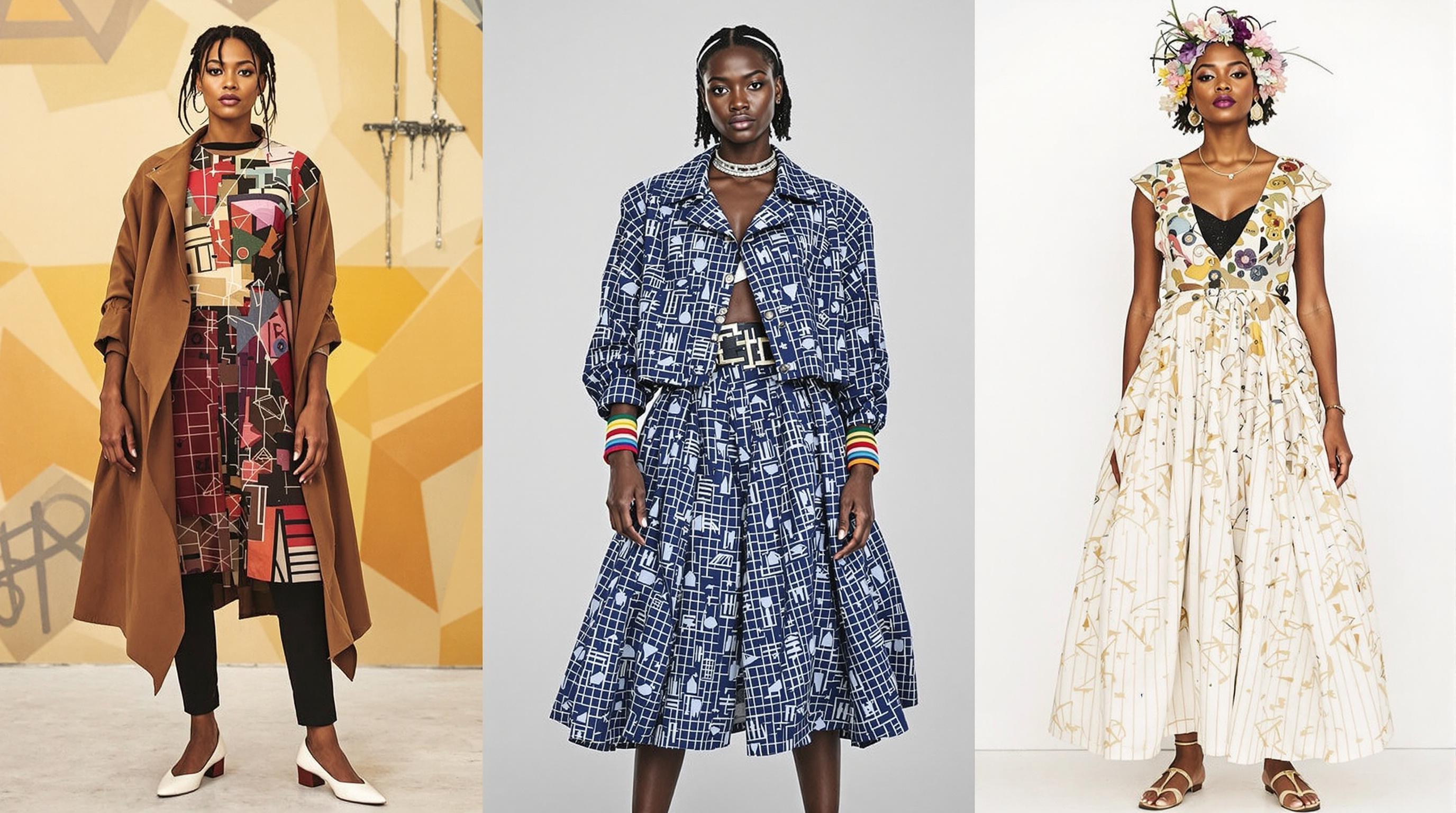
Threads of Rebellion: How Political Movements Unveil Hidden Fashion Narratives Across Continents
Threads of Rebellion: How Political Movements Unveil Hidden Fashion Narratives Across Continents
Political movements around the globe give rise not only to social change but also reshape the fashion narratives that unfold alongside them. From the vibrant colors of protest attire to the subtle symbols of resistance, the clothing worn by activists reveals intricate stories that transcend cultural boundaries and resonate with generations.
The Fabric of Resistance
As a 25-year-old content writer fascinated by the intersection of fashion and politics, I've come to recognize that clothing is not merely a means of expressing personal style; it's a language of its own. The fabric we wear carries narratives of struggle, resistance, and unity, illustrating how fashion becomes a canvas for political expression. In this article, we’ll weave through various political movements spanning continents, each marked by unique styles and significations.
The Power of Protest Colors
Did you know that colors have their own political significance? For instance, the color purple has often been associated with feminism, while black frequently signals solidarity among marginalized groups. In 2018, a study showed that 62% of young people in a global survey expressed a desire to wear colors symbolizing their beliefs during protests (Mesch, 2020). As we traverse through history, let’s explore how these color choices manifest during various political movements.
Case Study: The Suffragette Movement
The suffragettes in the early 20th century demonstrated an effective use of fashion as a tool for activism. Sporting white dresses, green sashes, and purple flowers, they adorned themselves with symbols of their cause. These colors represented purity, hope, and dignity in their steadfast fight for women's right to vote. Famous suffragette Emmeline Pankhurst cleverly stated, "We are the women of England—we are free; we will break every bond that fetters us." Her words, coupled with their distinctive apparel, made a powerful statement about their refusal to be silenced.
Cultural Collision: Fashion in the Arab Spring
Fast forward to 2011 and witness another vibrant chapter in the story of political fashion: the Arab Spring. Young activists turned to social media platforms to coordinate protests and share their fashion choices. T-shirts emblazoned with revolutionary slogans became as ubiquitous as they were crucial, creating camaraderie among protesters. Featured in a Time Magazine article, Egyptian artist Aida Muluneh noted that fashion is a mode of storytelling, a vital piece in "reclaiming one's narrative" (Muluneh, 2012). The passion for change was visible not just in words, but also in the very garments donned by passionate youth.
Defying Norms: LGBTQ+ Pride as Fashion Revolution
Consider the LGBTQ+ pride movement, which has made an indelible mark on fashion through vibrant expressions of identity. The rainbow flag is celebrated not only as a symbol of pride but also as a palette of resistance. Parades become runways where individuals showcase bold, unapologetic styles that challenge societal norms. According to a study by The Williams Institute, over 10% of American youth identify as LGBTQ+, and with this, they use their clothing choices to challenge stereotypes and celebrate diversity (Meyer, 2021).
From Streetwear to High Fashion: The Rise of Activism in Fashion
Streetwear has emerged as a powerful medium for conveying social and political messages. Brands like Off-White and Supreme have not only redefined urban fashion but have also engaged in political advocacy. For instance, the Off-White “I Support Young Black Lives” T-shirt sold out in 24 hours, with profits going to organizations fighting racial injustice (Acheron, 2020). This fusion of activism and high fashion illustrates a growing awareness of the industry’s role in social movements.
Fashion Weeks: A Platform for Social Commentary
Fashion weeks globally serve as platforms that extend beyond aesthetics and delve into social issues. Designers increasingly incorporate themes of activism into their runway shows. The 2020 Paris Fashion Week saw Balenciaga showcase models draped in “Protect Our Planet” attire amidst themes of climate change, making it clear that fashion holds the power to spark dialogues. Such efforts demonstrate fashion’s potential to lead social change while, importantly, captivating the attention of the masses.
The Role of Social Media in Global Movements
In our digital age, social media serves as the veins through which fashion narratives of political movements circulate. Hashtags like #BlackLivesMatter and #MeToo ignite discussion, and fashion plays an integral role in these dialogues. Influencer culture enables rapid dissemination of ideas, pushing trends that entwine fashion with activism, leading to widespread visibility. It’s a cultural phenomenon that resonates particularly well with younger audiences, ages 16 to 24, who are significantly active online. Statistically, about 72% of Gen Z consumers want brands to speak out on political issues (Brady, 2021). This active engagement encourages brands to tap into the zeitgeist of social change.
Humor Amidst Struggle: Fashion's Lighthearted Side
Now, let’s take a moment to appreciate the humor that can sometimes accompany the serious messages of fashion. During protests, some activists opt for playful attire or humorous slogans to relieve tension. Take, for example, the "I Can't Breathe" T-shirt that became an emblem in the fight against racial injustice—it poignantly married humor with a grave social issue. A good laugh, after all, can sometimes be a radical act. As philosopher Friedrich Nietzsche quipped, “We have art in order not to die of the truth.”
Global Perspectives: Fashion Traditions and Cultural Identity
Across continents, traditional attire serves as a reminder of cultural identity and resistance. Indigenous communities often use their clothing to reflect their heritage and speak against colonialism. In recent years, the #NoDAPL movement (against the Dakota Access Pipeline) saw activists wearing traditional regalia to highlight their cultural roots and advocate for Mother Earth. This fusion of tradition and modern activism articulates a powerful narrative akin to a cultural tapestry, reinforcing the message that fashion is not void of history.
Conclusion: Fashion as a Legacy of Change
As we explore the myriad ways political movements have unveiled hidden fashion narratives across continents, one resounding truth remains: fashion is a potent medium for change. From the calculated colors of suffragettes to the colorful expressions of the LGBTQ+ community, each thread interlaces social stories waiting to be told. In reflecting on these narratives, we discover that our clothing is more than just fabric—it is an emblem of our beliefs, struggles, and collective aspirations. The next time you slip on a T-shirt or don a pair of jeans, think about the history stitched within that fabric; it might just hold a legacy of rebellion waiting to inspire the next generation.
As we continue to challenge the status quo and embrace fashion that tells a story, remember: threads of rebellion weave a fabric of change that unites us all, transcending borders and time, creating movements that echo through fashion history.
Read More