Related Articles
- Fashion's Second Skin: The Underbelly of Wearable Tech and Its Surprising Roots in Previous Iconic Styles
- Shadows of Style: The Controversial Anti-Fashion Movements That Shook the Industry from Within
- Silent Statements: The Impact of Minimalism in Fashion's Most Overlooked Decades
- Distorted Reflections: The Role of AI in Shaping Fashion Perceptions and Consumer Trust in 2023
- Dressing the Future: How AI-Generated Designs Could Revolutionize Creativity and Profitability in Fashion
- The Art of Unfashion: How Anti-Fashion Movements are Reshaping Consumer Expectations and Market Strategies
Unconventional Textiles: Exploring How Indigenous Materials are Reshaping the Global Fashion Landscape
Unconventional Textiles: Exploring How Indigenous Materials are Reshaping the Global Fashion Landscape
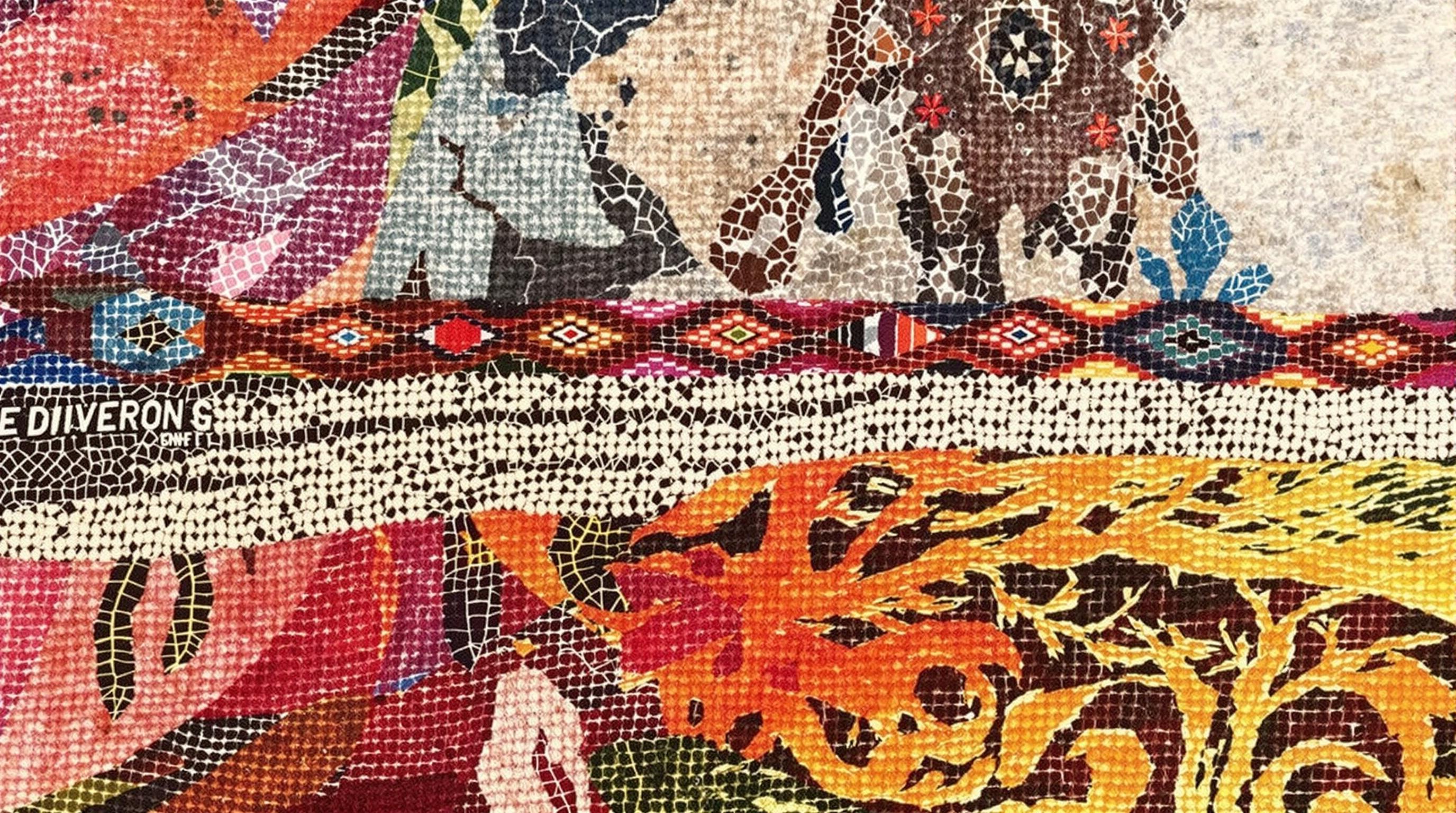
Unconventional textiles made from indigenous materials are challenging the traditional fashion industry and opening up sustainable pathways for innovation. As cultures intertwine with contemporary design, we witness a shift in both aesthetics and ethical practices in global fashion, reshaping how we perceive textiles.
The Rise of Indigenous Textiles
In recent years, there has been a notable surge in the interest surrounding indigenous textiles produced by numerous ethnic groups worldwide. According to a report by the World Trade Organization, the global demand for sustainable textiles is expected to rise by 28% by 2025. This growth signifies a broader shift towards sustainable fashion, integrating indigenous practices that have been honed over generations.
Understanding Indigenous Materials
So, what exactly do we mean by indigenous materials? These can range from fibers sourced from local plants to dyes derived from natural sources like fruits and minerals. Take, for instance, the brightly colored textiles made from the Yawanawa people in the Amazon, which are dyed with the vibrant hues of tropical plants. Though these textiles may seem simplistic, they carry deep cultural significance and stories passed down through generations.
Case Study: The Peruvian Cotton
Peruvian cotton, known for its luxurious quality, illustrates how indigenous fibers can attract global interest. The cotonera communities in Peru cultivate and process this cotton in ways that have been refined over centuries. Now, brands like Patagonian are working directly with these communities, ensuring that traditional methods are preserved while offering consumers a unique and ethically sourced product.
Breaking Down Stereotypes
It's easy to fall into the trap of viewing indigenous textiles solely as artifacts or souvenirs. Yet, they are far more than mere items from a distant past; they are vibrant representations of culture, creativity, and traditional craftsmanship. Designers like Gabriela Hearst have showcased indigenous materials on international runways, breaking stereotypes and elevating the narratives of their origins.
Fashion with a Purpose
Adopting indigenous textiles in the fashion landscape is about more than aesthetics; it embodies a commitment to sustainability and ethical fashion. The rise of slow fashion champions the idea that clothing should be made thoughtfully, avoiding the throwaway culture prevalent in fast fashion. That’s why this embrace of indigenous practices resonates strongly with environmentally conscious consumers.
Challenges and Triumphs
Despite the substantial benefits, the journey to localization in the fashion industry is fraught with challenges. Issues such as copyrighting traditional knowledge and ensuring fair trade practices disturbingly parallel the broader narrative of cultural appropriation. Brands that integrate indigenous textiles must approach this with respect and transparency, often collaborating directly with local artisans to ensure cultural sensitivity and fair compensation.
Statistics That Speak Volumes
A 2020 survey by Fashion Revolution found that 72% of consumers want brands to be more transparent about their supply chains. This statistic paints a vivid image of where modern consumers are heading: towards honesty, integrity, and cultural appreciation. In effect, we are seeing a 'Consumer Renaissance,' where the sourcing of textiles isn’t just an afterthought but integral to a brand’s identity.
Collaborative Success Stories
Consider the partnership between the brand Omsom, which specializes in Southeast Asian sauces, and garment makers from the region. This collaboration promotes the use of traditional textiles in their packaging, emphasizing the cultural significance and craftsmanship behind it. Such alliances highlight the potential for ethical storytelling in fashion and the allure of authentic cultural representation.
The Millennial Mindset
Younger generations, including Millennials and Gen Z, are increasingly finding value in brands that prioritize ethics over aesthetics. This demographic is more likely to advocate for brands that integrate indigenous materials, with a willingness to support their communities. It isn’t just about looking good anymore; it's about feeling good about what you wear.
Humor in Fashion: Subverting Expectations
Ever buy a shirt only to find out it carries a cultural significance you're completely oblivious to? Talk about an awkward Thanksgiving dinner conversation, am I right? “Uh, yes, Grandma, I bought this tunic because it’s trendy, but it also represents the survival of indigenous craftsmanship in the fashion industry!” A little knowledge might save you a few raised eyebrows!
Benefits of Using Indigenous Textiles
When established brands embrace indigenous materials, they tap into a plethora of benefits: unique aesthetics, sustainability credentials, and cultural narratives. By engaging with these authentic practices, they fulfill the desires of a growing demographic that values stories and ethics in fashion. In a marketplace overwhelmed by sameness, incorporating indigenous textiles provides differentiation and culture-driven storytelling. Many consumers, especially younger ones, are not just looking to buy clothes; they’re buying into a movement.
Looking Ahead: A Sustainable Future
What can we expect for the future of the fashion industry? With significant strides being made towards transparency, the question is less about if indigenous textiles will feature prominently in our clothing but rather how comprehensively they will weave into mainstream narratives. Brands now hold the critical responsibility to educate their audiences while creating awareness about the importance of these materials. The thread is being rewoven, with indigenous materials leading the way to a more inclusive narrative in the fashion industry.
Final Thoughts: A Global Movement
Fashion isn’t just clothing; it’s a medium through which societies express their values and beliefs. A movement is on the rise that combines activism with artistry, where indigenous materials forge a path toward a more inclusive and sustainable fashion industry. As these textiles continue to gain momentum, consumers and brands alike must embrace the importance of preserving indigenous narratives while supporting local economies and artisans. So next time you consider your wardrobe choices, think about where your threads come from—it could very well be the start of a fashion revolution.
Read More