Related Articles
- Fashion's Second Skin: The Underbelly of Wearable Tech and Its Surprising Roots in Previous Iconic Styles
- Shadows of Style: The Controversial Anti-Fashion Movements That Shook the Industry from Within
- Silent Statements: The Impact of Minimalism in Fashion's Most Overlooked Decades
- Distorted Reflections: The Role of AI in Shaping Fashion Perceptions and Consumer Trust in 2023
- Dressing the Future: How AI-Generated Designs Could Revolutionize Creativity and Profitability in Fashion
- The Art of Unfashion: How Anti-Fashion Movements are Reshaping Consumer Expectations and Market Strategies
Punk Meets Politeness: How Global Social Movements are Reshaping Fashion Statements in Unexpected Ways
Punk Meets Politeness: How Global Social Movements are Reshaping Fashion Statements in Unexpected Ways
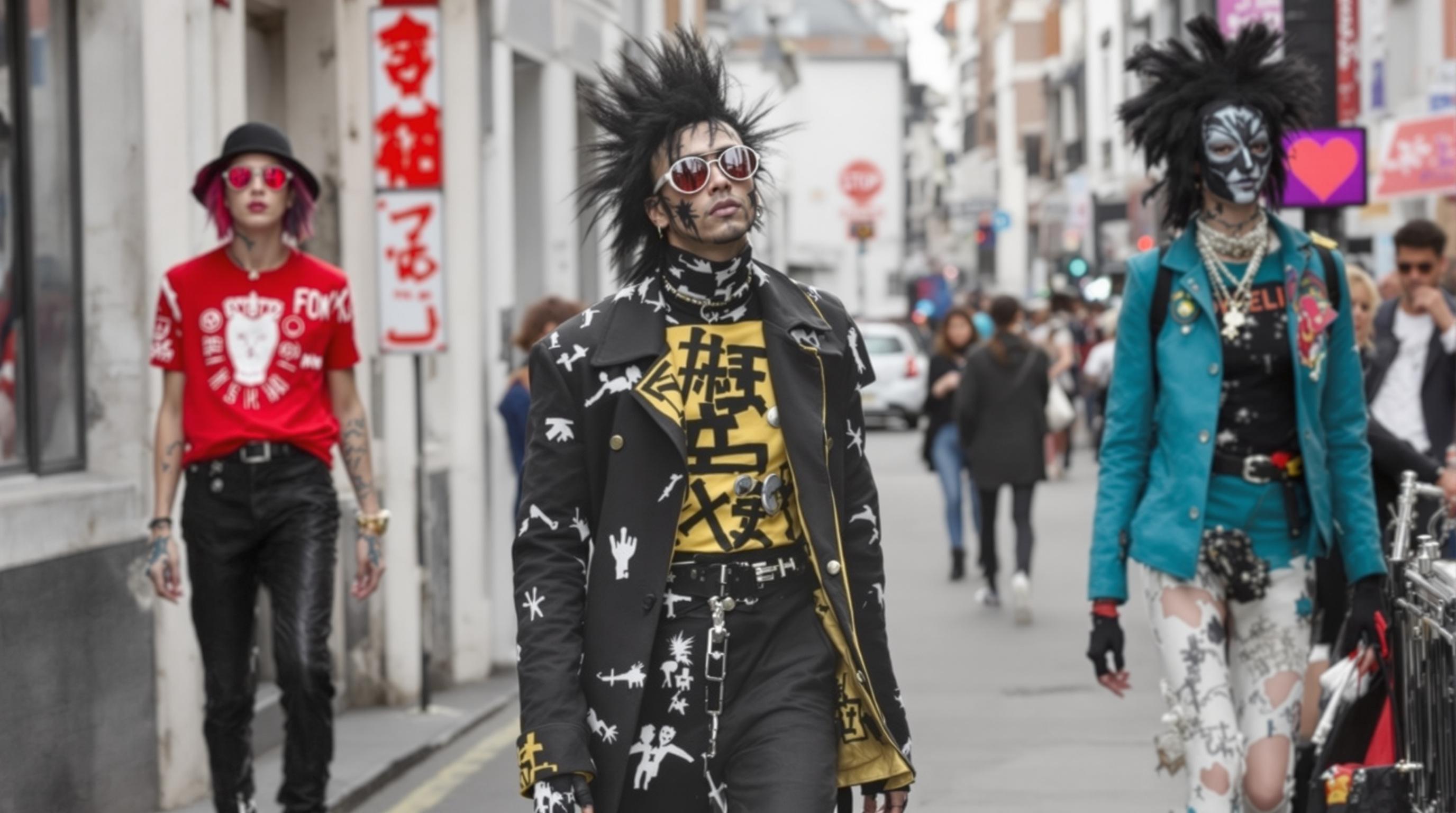
In a world where social justice movements are gaining momentum, fashion has emerged as a powerful medium for self-expression and political statement. The juxtaposition of punk's raw energy and the refinement of politeness is redefining styles, challenging norms, and transforming how individuals communicate their beliefs.
A New Wave of Activism
Fashion has always been a mirror reflecting society's fabric. With the resurgence of global social movements such as Black Lives Matter, #MeToo, and climate activism, today's clothing choices carry an implicit message. Earlier, punk fashion characterized rebellion through torn clothes, leather jackets, and safety pins—a form of protest against the system. Now, we see the same punk ethos blended with a renewed sense of politeness, as activists realize that how they present themselves can influence their message and engage a broader audience.
The Origin of Punk: Rebellion with a Purpose
Punk emerged in the 1970s, steeped in rebellion against societal norms. Think of pioneers like the Sex Pistols and The Ramones, who didn’t just attempt to redefine music; they made a statement with their fashion. David Bowie combined glam with punk sensibilities; Vivienne Westwood embodied the punk aesthetic with her designs. This was self-expression through outrage—anti-establishment, anti-consumerism, anti-anything boring. However, in the face of today’s complex issues, punk’s raw energy is meeting the more nuanced language of global polity.
When Politicians Become Style Icons
In recent years, politicians and social leaders have taken to fashion in revolutionary ways. Alexandria Ocasio-Cortez, often dubbed AOC, has used her fashion choices to communicate her political stance. Her infamous "Tax the Rich" dress at the Met Gala embodied a blend of high fashion and activist rhetoric, proving that clothing can bridge the gap between sartorial elegance and social statements (Peace, N. "The Politics of Fashion: From the Runway to the Capitol," Harvard Political Review, 2021). Politicians are increasingly aware of the messages they're sending, and designers are cashing in on this transformation by creating collections that directly appeal to socially conscious consumers.
Statistics: Fashion with a Purpose
According to a survey conducted by *Fashion Revolution*, 77% of consumers would prefer to purchase from a brand that actively participates in social justice initiatives. This reveals an undeniable connection between consumer behavior and the fashion industry's movement toward sustainable and ethically responsible practices. Brands that embrace activism not only enhance their public image but also resonate with an audience eager for change.
Punk Meets Politeness: The Aesthetic Intersection
Imagine a t-shirt with a bold political message nestled beneath a tailored blazer. This is the essence of "Punk Meets Politeness." The rebellion of punk is finding a new avenue of expression in smart-casual wear that allows activists to engage in dialogue without alienating their audience. Consider brands that are now producing clothes adorned with messages about equality, environmentalism, and anti-racism, yet in sleek, polished styles that transcend traditional punk aesthetics.
Case Study: The Rise of Slow Fashion
Slow fashion is a growing trend representing a direct counter to fast fashion's bylaws of disposability. Brands such as Reformation and Eileen Fisher are advocates, offering chic, sustainable clothing options infused with feminist and environmental messages. Their designs combine elegance with activism, representing a new generation of consumers who demand accountability and ethical practices, while maintaining a sense of style—it's punk reimagined for a modern age.
Rethinking Fashion Statements
Fashion itself has long been the hallmark of personal identity, but what happens when it becomes a platform for advocacy? The individuals who wear these garments are making their statements louder through their ensembles, mixing the audaciousness of punk with the civility of professional attire. The result is a meaningful intersection that encourages inclusivity and understanding in discussions surrounding social movements.
Humor in Fashion: The Power of the Statement Tee
Let's face it, nothing says "I care" quite like a cleverly designed statement tee. Imagine walking into a protest wearing a shirt that says, “This is not a drill,” juxtaposed against tailored trousers. There's humor in the audacity, drawing attention and laughter while simultaneously sparking important conversations. This balances punk’s irreverence with an unexpected deference that can lead to productive dialogues. One of the most memorable examples? The “Not My President” shirts that became a staple in resistance wardrobes during the Trump administration!
The Global Influence of Social Movements
Social activism extends beyond borders, influencing fashion industries worldwide. In regions like Africa, Asia, and South America, indigenous and cultural designs are being embraced by the younger generation, asserting identity while demanding respect and visibility. Not only are people standing against appropriation, but they are also elevating their cultural attire as a mark of pride—a redefinition of punk that stands firmly against colonization of fashion. This new iteration, punk politeness, asserts itself through cultural resonance and respect.
Conclusion: The Future of Fashion and Activism
As we navigate the landscapes of modern social justice, it’s evident that fashion is much more than clothing; it’s storytelling and a shared narrative. The blend of punk energy with polite engagement is shaping a new paradigm where fashion serves as a vehicle for change. Moving forward, we expect to see continued experimentation in the fashion world that knows no boundaries. Activists, designers, and consumers alike will continue to intertwine their identities, communities, and messages through styles that provoke thought, inspire actions, and proudly embrace variations of what it means to be "put together." Ultimately, when punk meets politeness, we witness the birth of a movement that is equal parts rebellion and respect.
Personal Touch: A Note from the Writer
As an 18-year-old navigating discussions of equality and identity, the messages woven into today’s fashion resonate deeply. It’s not simply about the clothes we wear but the identities we construct and the statements we make. Whether we’re sporting a vintage tee or a designer gown, our wardrobe can reflect our values and spark crucial conversations through unexpected combinations. Perhaps next time you put together an outfit, think of the punk ethos and the politeness that allows your voice to be heard loud and clear—through fashion.
Read More