Related Articles
- Fashion's Second Skin: The Underbelly of Wearable Tech and Its Surprising Roots in Previous Iconic Styles
- Shadows of Style: The Controversial Anti-Fashion Movements That Shook the Industry from Within
- Silent Statements: The Impact of Minimalism in Fashion's Most Overlooked Decades
- Distorted Reflections: The Role of AI in Shaping Fashion Perceptions and Consumer Trust in 2023
- Dressing the Future: How AI-Generated Designs Could Revolutionize Creativity and Profitability in Fashion
- The Art of Unfashion: How Anti-Fashion Movements are Reshaping Consumer Expectations and Market Strategies

Reviving the Past: How Ancient Cultures Shape Contemporary Streetwear Aesthetic
Reviving the Past: How Ancient Cultures Shape Contemporary Streetwear Aesthetic
The dynamic world of contemporary streetwear is increasingly influenced by ancient cultures, blending history with modern fashion. This article explores how this revival shapes the aesthetics we see today, through various design elements and cultural reinterpretations.
The Fusion of Old and New
In the world of streetwear, blending past influences with contemporary flair isn’t just a trend—it’s a movement. Designers like Supreme and Off-White look for inspiration from various cultures, breathing new life into forgotten styles. According to a report by the Fashion Institute of Technology, cultural appropriation and appreciation are two sides of the same coin, and understanding this duality is essential in the aesthetic language of streetwear (FIT, 2021).
A Canvas for Expression
Streetwear serves as a canvas for self-expression for many, especially among Gen Z consumers aged 16-24. The styles and motifs borrowed from ancient cultures speak not just to an aesthetic choice, but to a narrative that reflects societal values. For instance, the prevalence of tribal patterns or ancient glyphs in recent streetwear collections showcases how deeply intertwined our roots are with modern fashion statements.
Case Study: The Rise of African Prints
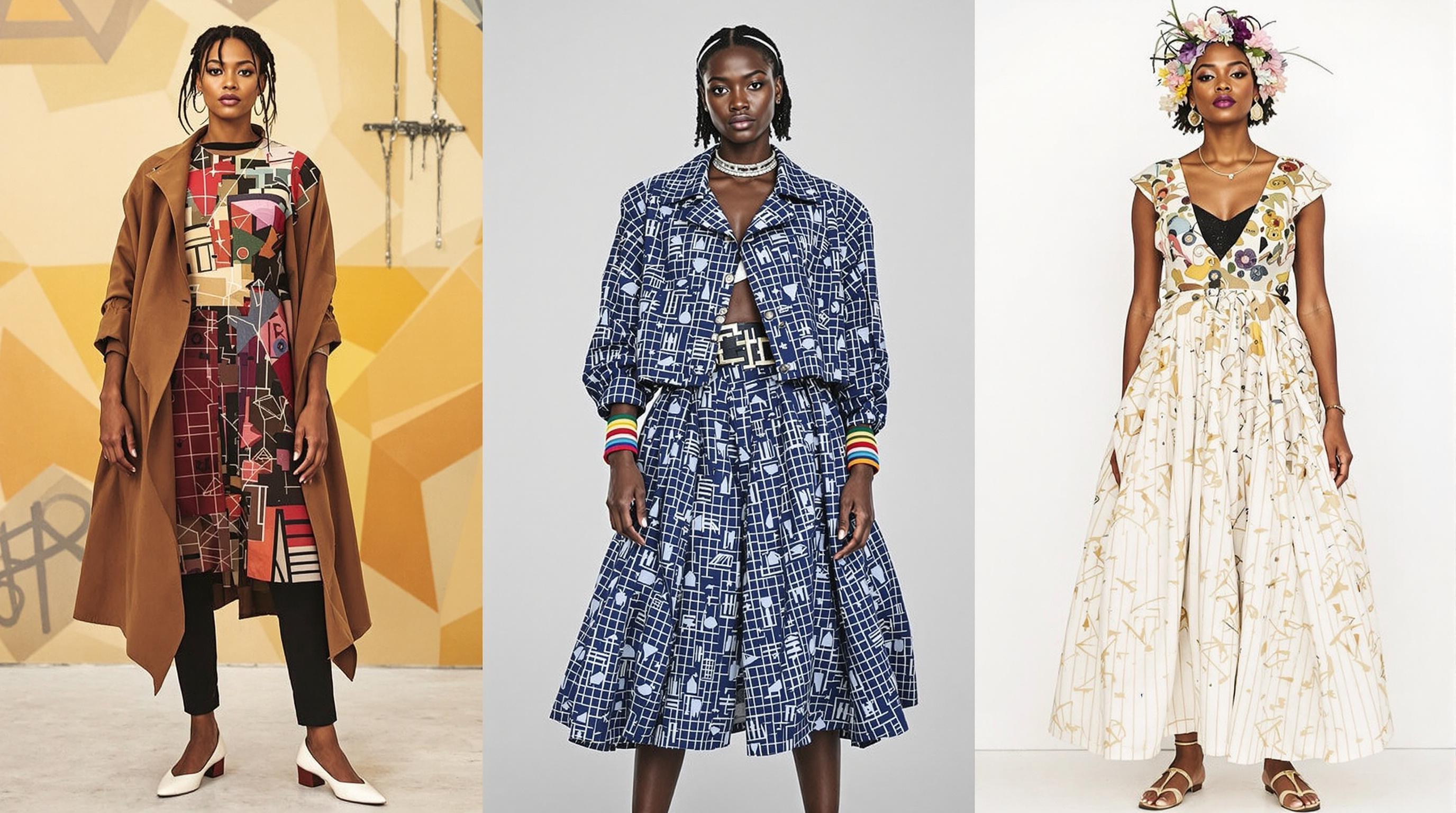
Take, for example, the recent surge in popularity of African prints within streetwear. Brands like PUMA and Nike have collaborated with designers from the continent, showcasing vibrant patterns that have historical significance. According to the African Fashion International, the African fashion industry is worth over $2.3 billion, underlining the impact of these prints (AFI, 2022). The embrace of these authentic style elements serves as a bridge, linking modernity with a rich past.
Humor in the Mix
Trying to figure out why that old Hawaiian shirt from your dad’s closet made a comeback? The answer might just be “vintage.” The irony is that while your father wore it to the beach, you wear it to the club! Both generations find a sense of joy in the same garment—a testament to fashion’s cyclical nature. Just imagine trying to explain to your dad that your “vintage geek chic” outfit is actually just his old college apparel. Fashion, much like life, is funny that way.
The Hieroglyphic Influence
In another case, streetwear brands have also delved into the symbolic language of ancient Egypt. The recent collaboration between the streetwear brand Fear of God and luxury giant Ermenegildo Zegna featured graphic tees embellished with Egyptian hieroglyphs. This unique take not only pays homage to an ancient civilization but also resonates with consumers, promoting a sense of cultural pride. The designs are as striking as they are layered, underscoring the power of visual storytelling.
The Narrative Behind Materials
More than just visual aesthetics, the materials used in clothing tell stories about cultural heritage. Consider the use of denim, which, while modern, has roots tracing back to the labor movements of the past. According to Fashion Nova’s sustainability report, approximately 65% of millennials are inclined to buy from brands that prioritize sustainable practices (Fashion Nova, 2023). Streetwear labels that incorporate eco-friendly materials not only revive traditional craftsmanship but also align themselves with today’s conscious consumerism.
Global Origins: A Fashion Journey
Travel the globe with streetwear and witness the cultural melting pot that influences trends. From the shuka fabric of the Maasai people in Kenya to the intricate textiles of the indigenous peoples of Brazil, these cultural elements break through borders and timelines. In 2020, a study published in the Journal of Fashion Technology & Textile Engineering revealed that nearly 78% of streetwear consumers prefer brands that celebrate global cultural exchanges (JFTE, 2020). This statistic emphasizes the appetite for diversity within the fashion community.
A Conversational Dive into Sneakers
So, let's talk sneakers—because does anything scream streetwear more than that? The chunky sneakers gaining traction aren’t just borrowed from your uncle’s 90s collection; they’ve re-emerged with a dash of nostalgia and, dare I say, flair? Brands like Balenciaga have essentially redefined the sneaker culture, blending high fashion with athletic style. Streets of Paris are filled with youths sporting these bold designs, echoing sentiments from their urban ancestors who wore similar footwear well before it was considered ‘cool’.
Throwback to the 90s and Beyond
Ironically, 90s aesthetics are perhaps the greatest example of ancient influences in modern fashion. The decade itself was a cosmic collision of styles—from grunge to hip hop—that blended comfort and edginess. It's interesting how the 90s have resurfaced in streetwear—baggy silhouettes, oversized graphic tees, and even patterns reminiscent of Aztec art are now staples in the modern closet. It's all a cyclical puzzle, and we’re just here trying to fit the pieces together, one oversized tee at a time!
Persuasive Insight: The Importance of Authentic Representation
As streetwear continues to evolve, it’s crucial to advocate for authentic representation. Cultural appropriation is a serious conversation that demands attention. Brands must strive for authenticity and respect, engaging with communities and stories they draw inspiration from. Fashion, after all, should be a platform for storytelling, not a vehicle for exploitation. The call to action here is simple: the next time you make a purchase, ask yourself if the brand genuinely supports the culture it is inspired by. Let’s not just wear ancient cultures; let’s honor them.
A Shout-out to Street Artists
Street art is integral to streetwear. Artists like Banksy and Shepard Fairey have shown how art can fuel movements. Their works often draw from cultural history, weaving messages literally into the fabric of urban life. As these artworks become part of collections, the lines between fashion, culture, and art blur, leading to a fresh wave of inspiration that challenges conventional norms.
Conclusion: The Road Ahead
Looking forward, the journey between ancient cultures and contemporary streetwear should not just be a phase—it should be a continuous dialogue. As brands forecast trends, let us not forget the value of storytelling through fashion. The blending of historical influences is not only a way to embrace diversity but also a means to create cultural relevance for future generations. So, let’s zip up those vintage jackets and pull on our embroidered streetwear, because the ties to our past will continue to shape the fashion landscape of tomorrow.
Read More