Related Articles
- Fashion's Second Skin: The Underbelly of Wearable Tech and Its Surprising Roots in Previous Iconic Styles
- Shadows of Style: The Controversial Anti-Fashion Movements That Shook the Industry from Within
- Silent Statements: The Impact of Minimalism in Fashion's Most Overlooked Decades
- Distorted Reflections: The Role of AI in Shaping Fashion Perceptions and Consumer Trust in 2023
- Dressing the Future: How AI-Generated Designs Could Revolutionize Creativity and Profitability in Fashion
- The Art of Unfashion: How Anti-Fashion Movements are Reshaping Consumer Expectations and Market Strategies
The Unexpected Influence of Virtual Reality on Global Wardrobe Choices: Dressing for the Digital Age
The Unexpected Influence of Virtual Reality on Global Wardrobe Choices: Dressing for the Digital Age
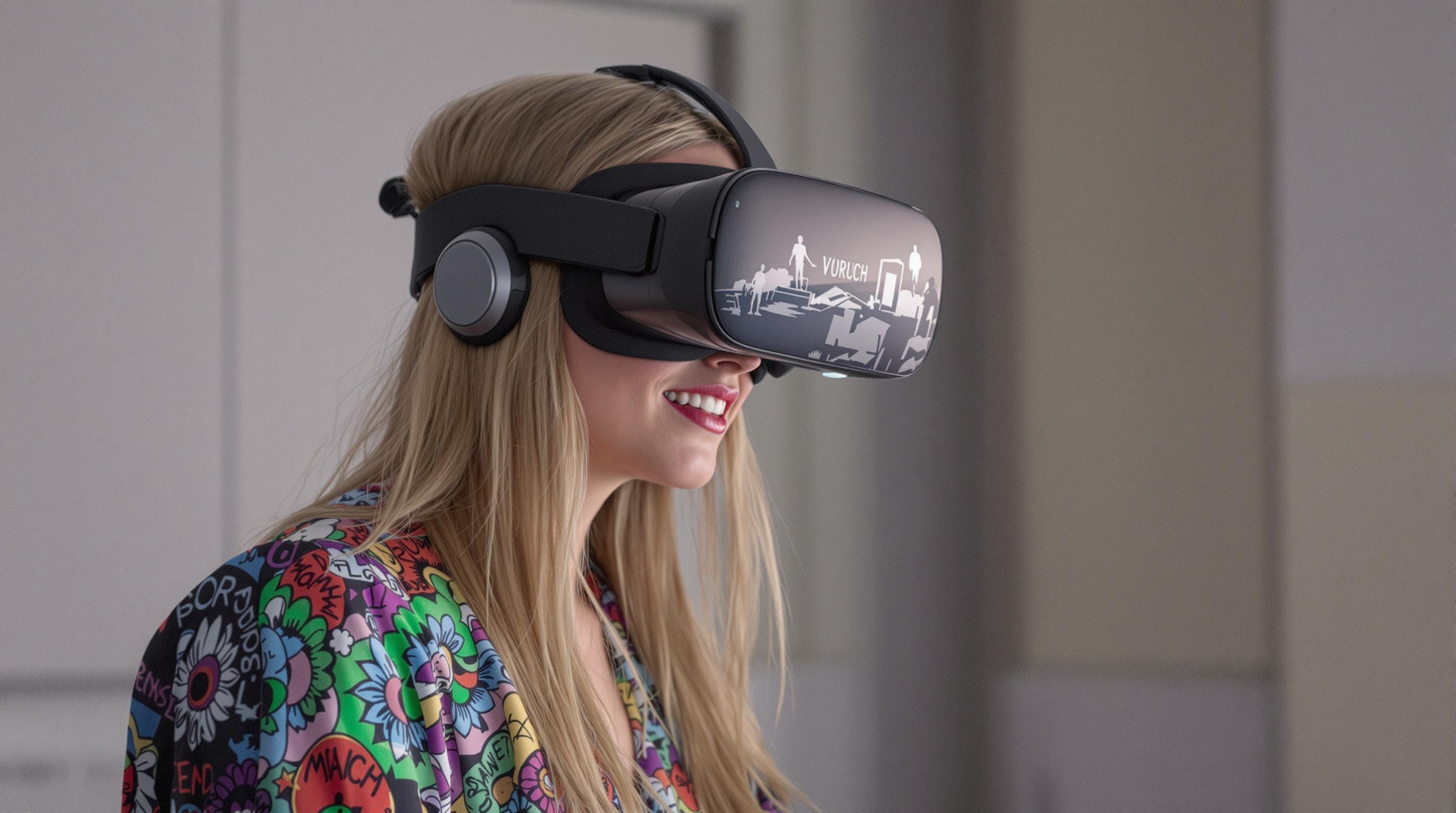
The rise of virtual reality (VR) is transforming not just the way we experience entertainment, but also the fashion choices we make in our daily lives. From remote business meetings in vivid virtual spaces to social gatherings in the metaverse, what we wear is increasingly influenced by our digital interactions, prompting a reimagining of global wardrobe choices.
The Age of the Digital Wardrobe
Once upon a time, our wardrobes were dictated by trends in magazines and runway shows. These days, however, even the most stylish influencer can't escape the uprising of virtual reality. The term "digital wardrobe" is now commonplace as individuals curate their style for online environments. This evolution also means that what our avatars wear can influence our real-world clothing choices. As reported by the Global Fashion Agenda, 73% of fashion companies are starting to integrate elements of virtual reality to better connect with consumers.
Avatar Fashion: A New Aesthetic
Many young people today are becoming increasingly aware of how their avatars are dressed in virtual worlds or games. According to a report by Newzoo, 2.7 billion people globally play video games, showcasing and expressing themselves through these avatars. Why shouldn’t digital expression influence our real-life choices? Casual virtual clothing has led to a surge in the sales of athleisure and streetwear styles in the physical world. How many have you stopped to consider why your favorite pair of leggings is often paired with colorful graphic tees? It’s all about what feels good both in the virtual and physical realms.
Statistics Speak
An astonishing 62% of consumers who actively participate in virtual fashion platforms report that they tend to purchase similar styles in the real world afterwards. This connection can be traced back to the dopamine rush of dressing an avatar how we want. The fashion psychology behind this phenomenon indicates that dressing up our avatars allows us to explore identity in ways we might be hesitant to in our actual lives.
A Case Study: The Rise of Digital Fashion Shows
Let’s not forget the impact of virtual runway shows, like those conducted during the Bologna Children’s Book Fair and major brands like Balenciaga and Dior. These digital-first introductions allow fashion houses to reach a global audience without the traditional limits of space and time. In fact, Balenciaga saw an impressive 25% increase in traffic to its online store following its virtual show in 2021. This suggests that if you can dress an avatar in high fashion, there is a greater likelihood that real consumers will want to embody that aesthetic as well.
Breaking Down Consumer Choices
Interestingly, VR isn't just appealing to millennials or Gen Z; older generations are beginning to enter these virtual spaces too. According to a study by Pew Research Center, 35% of people aged 50 and above are now engaging with VR, and they too are starting to adapt their styles for these new platforms. This melting pot of ages showcases a shared understanding of cultural dynamics, pushing fashion forward.
The Social Dynamics of Dressing in VR
Social gatherings in platforms like VRChat or Fortnite boost almost an entirely new set of social norms. Will your friends judge you for your digital swag? Surprisingly, this question looms large in an age where 3D self-representations make meeting up possible in a way that transcends distance. The more time one spends in VR, the more pressure there can be to update or refine one's wardrobe—digital and real alike.
The Convenience of Virtual Shopping
Shopping for wardrobes is no longer limited to physical stores or even traditional e-commerce platforms. Instead, with virtual fitting rooms becoming a reality—thanks to advancements in AR and VR technologies—more consumers are turning to digital platforms to experiment with outfits before making an actual purchase. A survey by McKinsey & Company revealed that nearly 70% of consumers are interested in AR applications that allow them to visualize clothing on themselves through their devices before buying. Virtual fittings eliminate the hassle of returns and improve satisfaction rates—an absolute boon for both retailers and consumers.
Fashion Influencers in Virtual Spaces
Let’s talk about the new breed of social media stars—the virtual influencers. Characters like Lil Miquela and Shudu Gram aren't just passive avatars; they interact with fans and promote clothing brands as though they were real people. In fact, a study by Influencer Marketing Hub found that engagement rates for virtual influencers can surpass their human counterparts by as much as 50%. When a virtual influencer showcases a new outfit on Instagram, they effectively push that aesthetic into the global consciousness, influencing physical consumer choices significantly.
The Ethical Wardrobe: Sustainable Choices in the Digital Age
Sustainability is another hot topic ignited by virtual dressing. In a world where fast fashion leads to immense waste, creating a digital wardrobe reduces our reliance on physically produced clothing, allowing people to explore their style without contributing to environmental degradation. According to the United Nations, the fashion industry accounts for around 10% of annual global carbon emissions. Virtual fashion shows a way forward—where creativity meets sustainability.
The Future: A Blending of Realities
As VR advances, the division between our online and offline lives continues to blur. Soon enough, shopping will likely become a completely immersive experience, powered by AI and VR technology. Picture this: you enter a digital mall, navigate through stores brimming with the latest styles, and try outfits on your personalized avatar—all from the comfort of your home. Thus, the direction of global wardrobe choices is not only in virtual spaces but it also tightens the bond between how we express ourselves online and offline.
Dressing for the Purpose
Today, people are also choosing what to wear with purpose. The business meetings are held on Zoom, and interactions may take place in digital breakout rooms. A stylish outfit can bring confidence even if only seen from the waist up. Interestingly, research by Harvard Business Review indicates that dressing well for video conferences can lead to better performance in virtual settings, indicating a ripple effect from our digital representations back into reality.
Humor in the Digital Closet
Who said fashion has to be serious? The digital age has brought out a humorous side of dressing up. When's the last time you saw a meme that didn't feature an outrageous outfit or a mishap from a Zoom call? Virtual errors—like forgetting to change from pajamas to “business casual” during a crucial meeting—connect all of us on a human level. Staying stylish in the digital space can be lighthearted, playful, and a great icebreaker for both professional and social situations.
Final Thoughts: Wear What You Love, Whether in Pixels or Fabric
The unexpected influence of virtual reality on global wardrobe choices is replete with opportunities for self-expression and creativity. As the lines between digital aesthetics and physical attire continue to blur, consumers now more than ever should feel empowered to wear what they love—be it online or off. The future of fashion embraces both the realistic and the fantastical, leading us into an age where our wardrobes can be as dynamic and multifaceted as the digital spaces we inhabit.
So the next time you're dressing for a virtual meeting, remember: it’s not just for you; it's a fashion statement that resonates far beyond the screen!
Read More