Related Articles
- Fashion's Second Skin: The Underbelly of Wearable Tech and Its Surprising Roots in Previous Iconic Styles
- Shadows of Style: The Controversial Anti-Fashion Movements That Shook the Industry from Within
- Silent Statements: The Impact of Minimalism in Fashion's Most Overlooked Decades
- Distorted Reflections: The Role of AI in Shaping Fashion Perceptions and Consumer Trust in 2023
- Dressing the Future: How AI-Generated Designs Could Revolutionize Creativity and Profitability in Fashion
- The Art of Unfashion: How Anti-Fashion Movements are Reshaping Consumer Expectations and Market Strategies
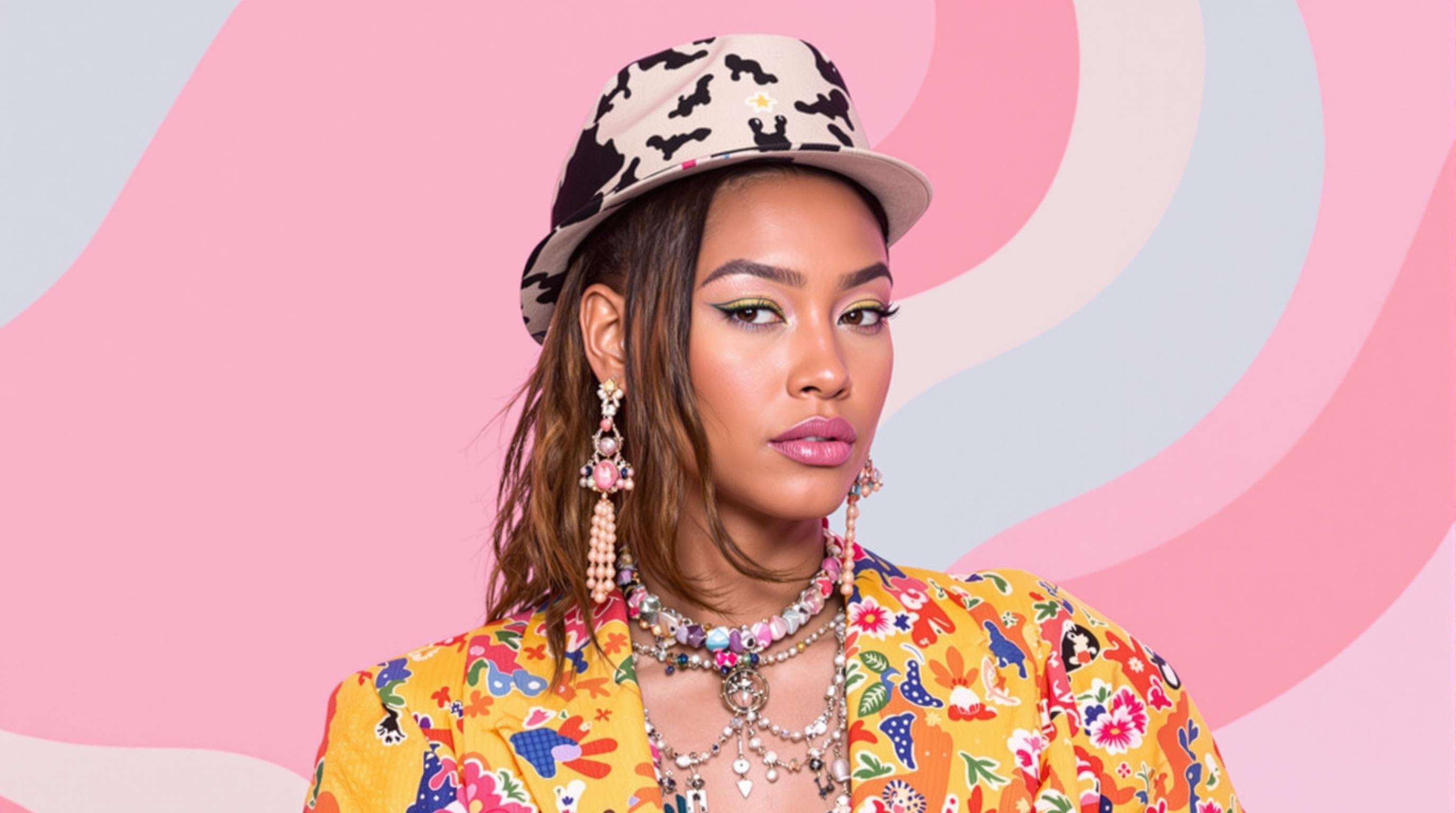
Unveiling the Secrets of Gender Fluidity: How Non-Binary Fashion is Disrupting Traditional Style Norms Worldwide
Unveiling the Secrets of Gender Fluidity: How Non-Binary Fashion is Disrupting Traditional Style Norms Worldwide
Gender fluidity is challenging longstanding fashion conventions and ushering in an era where non-binary styles redefine personal expression worldwide. This article will explore the evolution of non-binary fashion, its cultural significance, and how it disrupts traditional norms through various perspectives and examples.
Understanding Gender Fluidity
But what exactly is gender fluidity? To put it simply, it's the concept that gender is not fixed and can change over time or in different contexts. According to a 2016 study from the Williams Institute at UCLA, approximately 0.6% of adults in the United States identify as non-binary, a demographic that is steadily gaining recognition and importance in society today.
The Historical Context
Breaking free from the binary, gender fluidity has roots deep in history. Cultures around the globe, such as the hijra in South Asia, the Two-Spirit identity in many Indigenous cultures, and the fa'afafine in Samoa, have celebrated non-binary identities long before contemporary discussions emerged. These historical contexts highlight that the idea of non-binary and fluid gender identity isn't an invention of modernity; it's a part of the human experience.
Fashion as a Form of Expression
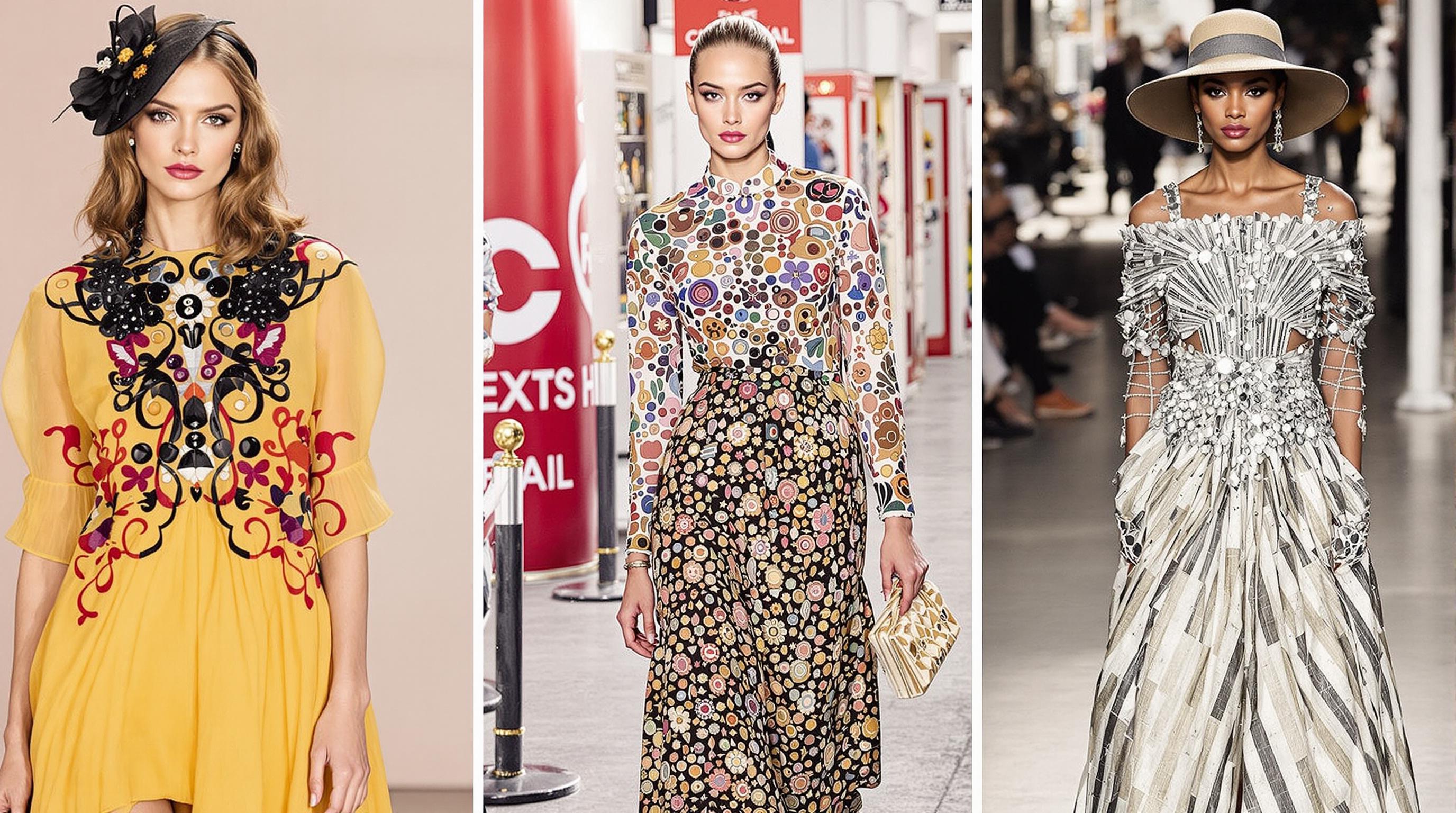
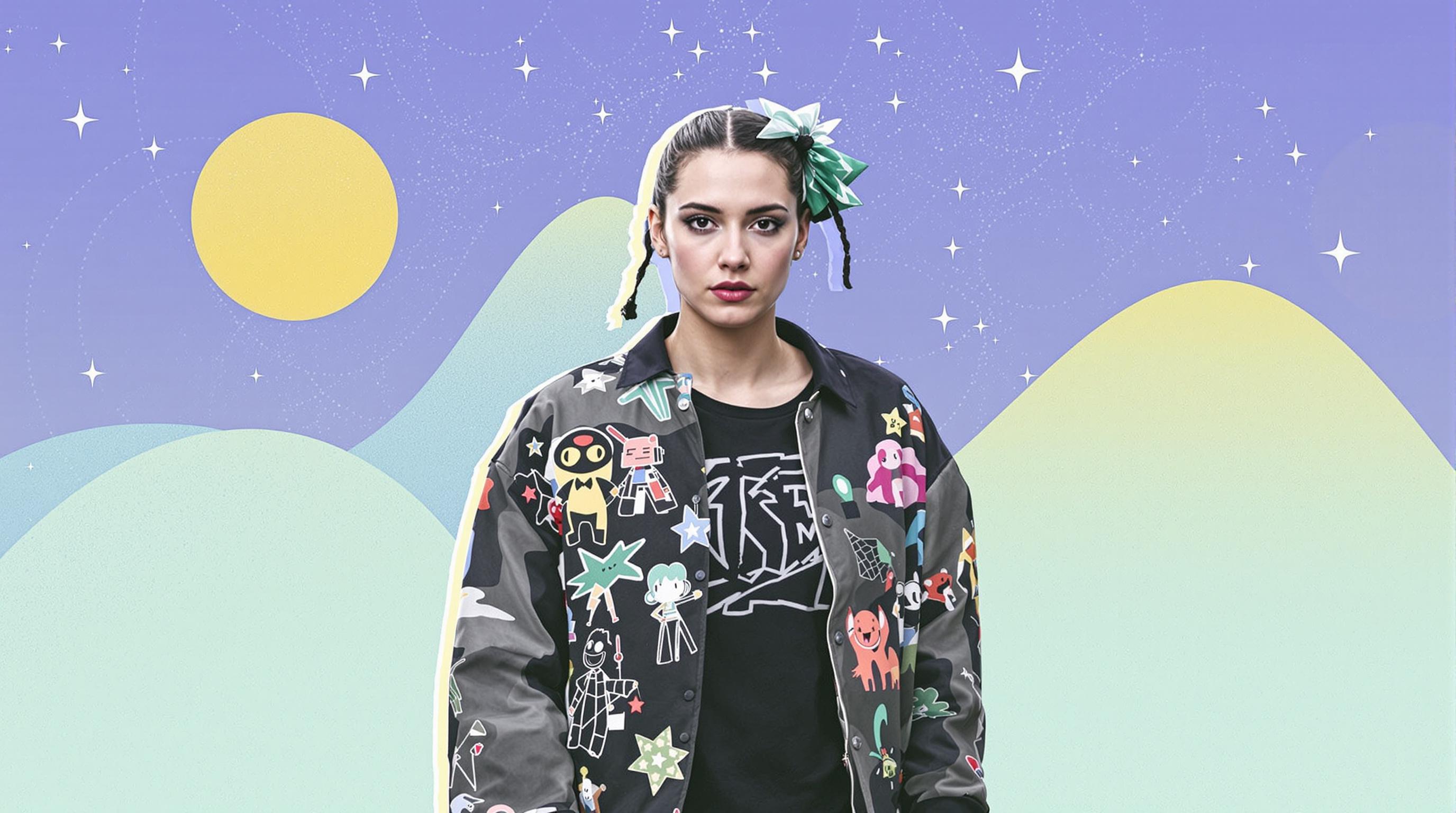
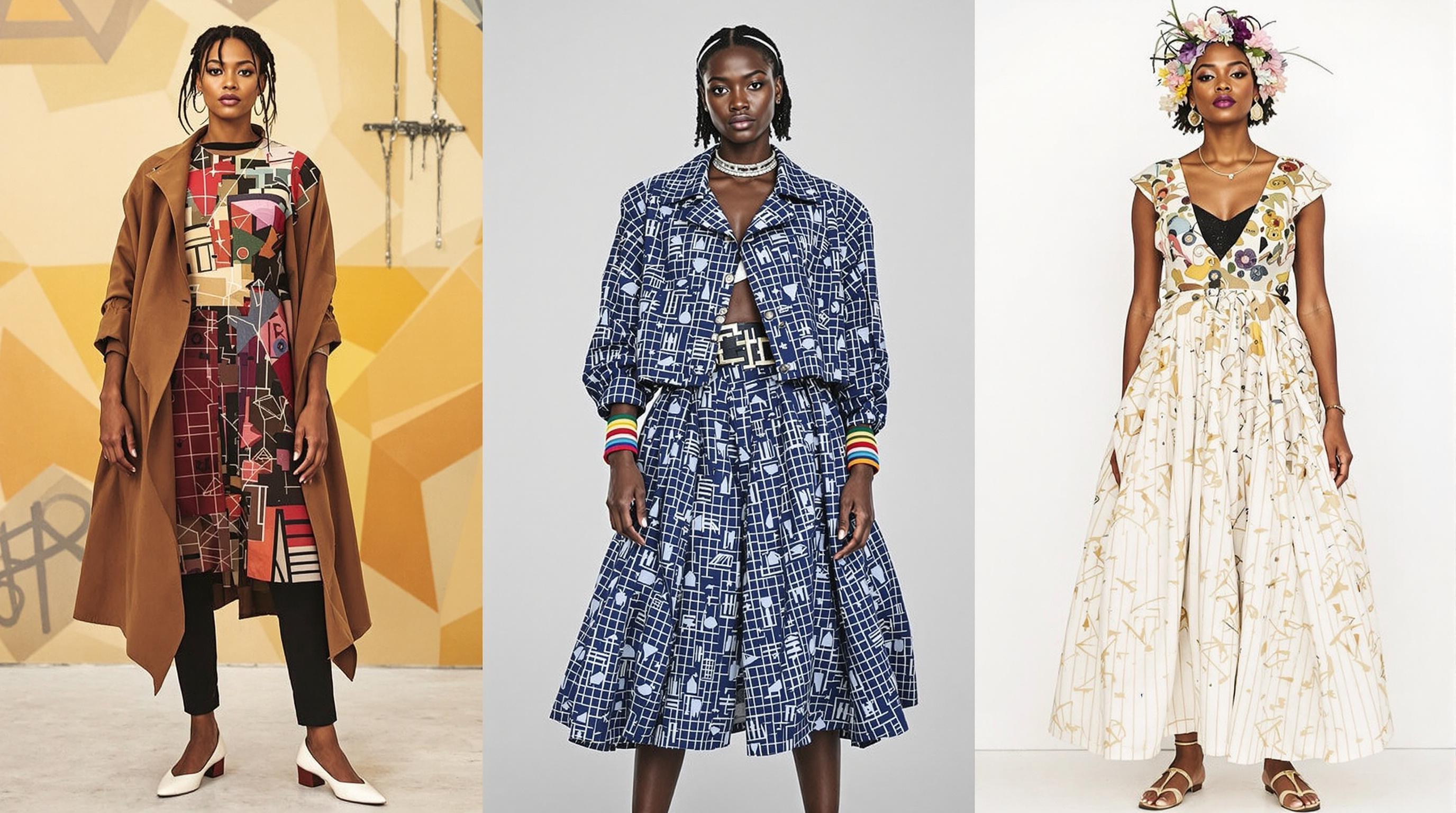
Think about it: fashion is one of the most personal forms of self-expression. It’s a canvas that allows individuals to illustrate who they are without uttering a word. In recent years, designers like Palomo Spain and Telfar have embraced gender-fluid aesthetics, crafting collections that challenge the binary approach to clothing. For instance, the “Telfar Shopping Bag” became a symbol of accessible luxury transcending gender boundaries, showcasing that style knows no limits.
Statistics That Matter
Don't just take my word for it! In 2020, a report by McKinsey & Company indicated that 67% of Gen Z shoppers prefer brands that align with their values, including inclusivity and diversity. This demographic’s openness to non-binary fashion signals a significant cultural shift in consumer behavior.
Celebrity Influence and the Mainstream Shift
From Billy Porter to Harry Styles, celebrities are embracing non-binary fashion and serving as trailblazers in the mainstream media. Billy Porter, who made headlines at the 2019 Oscars in a stunning velvet tuxedo gown, sparked a conversation around gender norms that ripples through social media and traditional news alike. Styles, often seen in dresses and skirts, encourages fans to express themselves, urging a world where clothing is a personal choice rather than gendered attire.
Breaking the Gender Norms
The rise of non-binary fashion is not just about aesthetics; it's a movement that disrupts traditionally entrenched norms. The well-known British clothing retailer ASOS has introduced portions of their collections labeled as “unisex,” indicating a step towards inclusivity in the fashion industry. But that’s just the icing on the cake. Brands like Wildfang, which prioritizes “clothing for every body,” actively encourage a culture where everyone feels represented and empowered.
Case Study: Gender-Fluid Fashion Week
In 2021, a London-based Gender-Fluid Fashion Week brought together various designers, models, and advocates to challenge the fashion industry’s rigid structures. Events like this affix a vital platform for non-binary voices, creating community and conversation. One standout designer, Harris Reed, showcased garments that defied traditional design, mixing elements and styles to create pieces that celebrate fluidity. “Fashion is a feeling,” Reed stated. Who doesn’t want to feel good in what they wear?
Personal Stories: The Heart of Non-Binary Fashion
Every piece of clothing has a story to tell, and better yet, every person wearing it creates their own narrative. Meet Alex, a 21-year-old graphic designer who identifies as non-binary and uses fashion to express their individuality. “I grew up feeling trapped by gender norms,” they shared. “Finding gender-neutral clothing has been liberating; it’s like I can finally be myself without restrictions.” Connecting personal stories like Alex's illustrates the impact that non-binary fashion has on individual and collective identities.
Economic Implications
The emergence of non-binary fashion is not only transformative for individual expression but also presents lucrative opportunities for businesses. A survey by The Harris Poll conducted for GLAAD in 2021 revealed that nearly 13% of the LGBTQ+ community had recently changed their shopping habits based on whether brands were inclusive. This marked the beginning of a substantial shift in market dynamics, prompting a reevaluation of traditional marketing strategies.
Why Inclusivity Matters
Inclusivity in fashion does not merely cater to non-binary individuals; it fosters acceptance and diversity across the board. As society continues to evolve, embracing all identities can catalyze significant cultural changes. Not only does this create a more welcoming environment, but it also strengthens solidarity among various communities advocating for equal rights.
Humor in Fashion: Breaking Stereotypes
And let’s not forget: fashion doesn’t have to be serious! In April 2023, a satirical fashion show called the “Anti-Gender Show” featured models sashaying down the runway wearing exaggerated versions of outdated gender norms. Think oversized suits for female models and ruffled dresses for men. While the intention was humor and parody, it beautifully underscores the absurdity of rigid gender categories—all while loudly proclaiming style has no gender!
Social Media’s Role in the Movement
In the digital era, platforms like Instagram and TikTok have significantly influenced the non-binary fashion movement. Hashtags such as #GenderFluidFashion and #NonBinaryStyle have gained traction, creating communities where people can share inspiration and ideas. This online dialogue fosters a global appreciation for diversity, encouraging individuals to express their style beyond societal conventions.
The Future of Non-Binary Fashion
As we gaze into the horizon, it’s evident that the trajectory of non-binary fashion is bright. With continued advocacy, education, and exposure, fashion may transform into a more inclusive space that celebrates individuality in all forms. Industry giants might have no choice but to adapt to this change; otherwise, they risk being left behind. After all, who wants to wear yesterday's trends when tomorrow holds limitless possibilities?
A Final Thought: Celebrate Individuality
As emphasized throughout this article, the movement towards non-binary fashion represents so much more than clothing—it's a rebellion against the constraints of traditional norms. It’s an invitation to celebrate individuality, creativity, and personal expression. So, let’s embrace this change and allow our wardrobes to be a canvas for the vibrant spectrum of humanity!
Read More