Related Articles
- Fashion's Second Skin: The Underbelly of Wearable Tech and Its Surprising Roots in Previous Iconic Styles
- Shadows of Style: The Controversial Anti-Fashion Movements That Shook the Industry from Within
- Silent Statements: The Impact of Minimalism in Fashion's Most Overlooked Decades
- Distorted Reflections: The Role of AI in Shaping Fashion Perceptions and Consumer Trust in 2023
- Dressing the Future: How AI-Generated Designs Could Revolutionize Creativity and Profitability in Fashion
- The Art of Unfashion: How Anti-Fashion Movements are Reshaping Consumer Expectations and Market Strategies
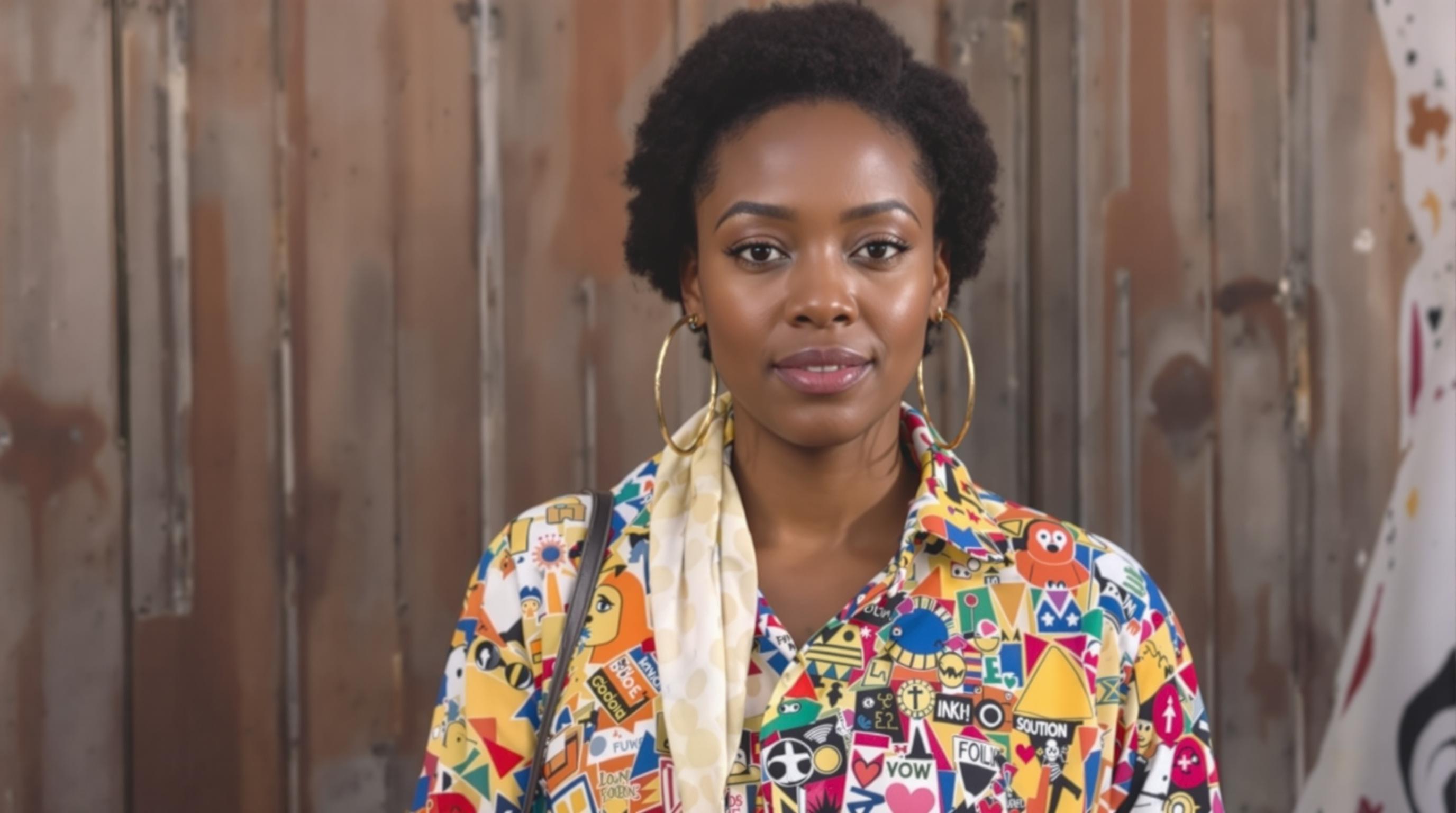
Wearing the World: How Global Migration Influences Fashion Fusion and Diversity in Everyday Looks
Wearing the World: How Global Migration Influences Fashion Fusion and Diversity in Everyday Looks
The interplay between global migration and fashion has created a vibrant tapestry of styles that reflect cultural diversity and innovation. This article explores how the fusion of different cultural elements in everyday clothing not only shapes personal identity but also influences the broader fashion landscape.
The Fashion Fusion Phenomenon
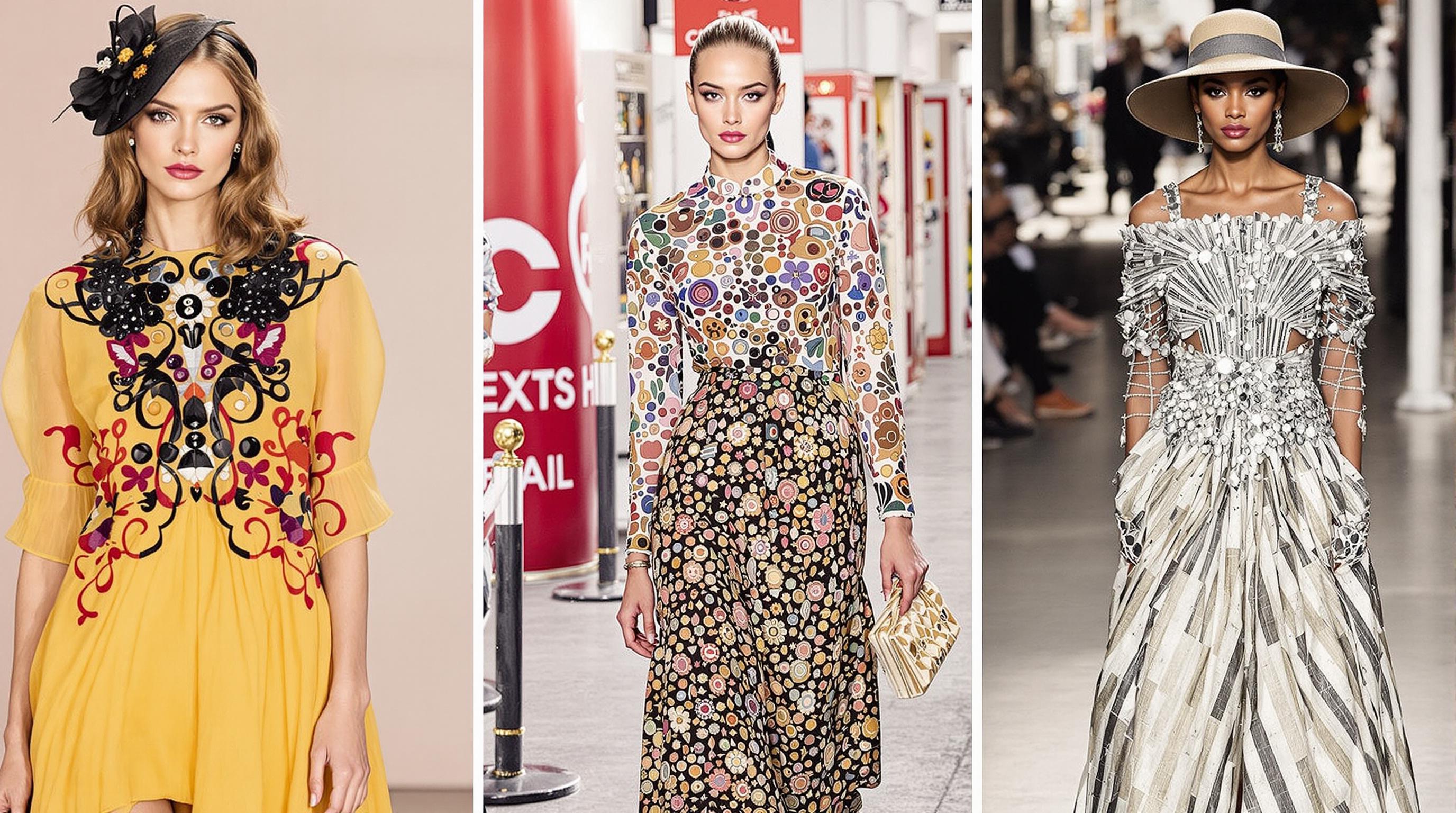
One of the most fascinating aspects of modern fashion is the phenomenon of "fashion fusion." With over 281 million people, or approximately 3.6% of the world’s population, living outside their country of birth (UN, 2020), this cultural interchange is inevitable. When individuals migrate, they carry their heritage with them, blending traditional attire with contemporary fashion norms. Just think about Beyoncé’s iconic performance outfits that often mix African textile designs with Western silhouettes. The result? An empowering and aesthetically stunning representation of hybrid cultural identities.
A Casual Approach to Diversity
Have you ever noticed how your friend from Brazil wears flip-flops, Indian bangles, and an oversized hoodie? This mashup might seem casual, but it symbolizes a broader trend where everyday styles reflect diverse cultural influences. Those comfy pieces shout one thing: “Global citizen.”
Tales of Textile Migration
Throughout history, textiles have traveled across borders. The Silk Road is perhaps the most famous example, establishing trade routes that exchanged not only fabrics but also ideas and techniques. Fast forward to today, and we see similar routes unfolding on social media platforms, where influencers showcase eclectic outfits that are tailored from textiles as far away as Morocco and Japan.
The Impact of Social Media on Global Fashion Trends
It’s hard to ignore the significant role of social media in shaping the current fashion landscape. Platforms like Instagram and TikTok have transformed ordinary individuals into global influencers, enabling the rapid spread of styles across the world. In one study, 60% of participants aged 18-24 reported that they have adopted fashion trends seen online, reflecting a growing desire to embrace multicultural influences in personal style (Statista, 2023). Just imagine how many closets around the globe are now home to kimonos, dashikis, and sarongs—pieces that tell unique stories of distant cultures.
Embracing Sustainability through Cultural Heritage
Don’t overlook the sustainable aspect of this fusion, either! Many fashion-forward individuals are seeking out traditional artisans for their clothing needs, reducing reliance on fast fashion. This choice not only helps preserve cultural crafts but also promotes ethical practices. It’s no longer just about looking good; it’s about feeling good in fashion that respects the environment and its heritage. For instance, the rise of brands like Reformation highlights how eco-conscious consumers value authenticity and sustainability. So, while you might wear that handcrafted artisan piece, you’re not just rocking a style; you’re supporting a cultural lineage.
A Journey Through Generations
Imagine visiting a bustling street market in Istanbul, where vibrant colors and patterns collide. The market might sell everything from handwoven rugs to exquisite leather shoes. Here’s the catch: your grandmother might have a similar scarf hanging in her closet, tracing its lineage back to her own immigrant story. Fashion acts as a bridge through generations, keeping the memories and traditions alive in the most stylish ways.
Case Study: The Rise of Afro-Futurism in Streetwear
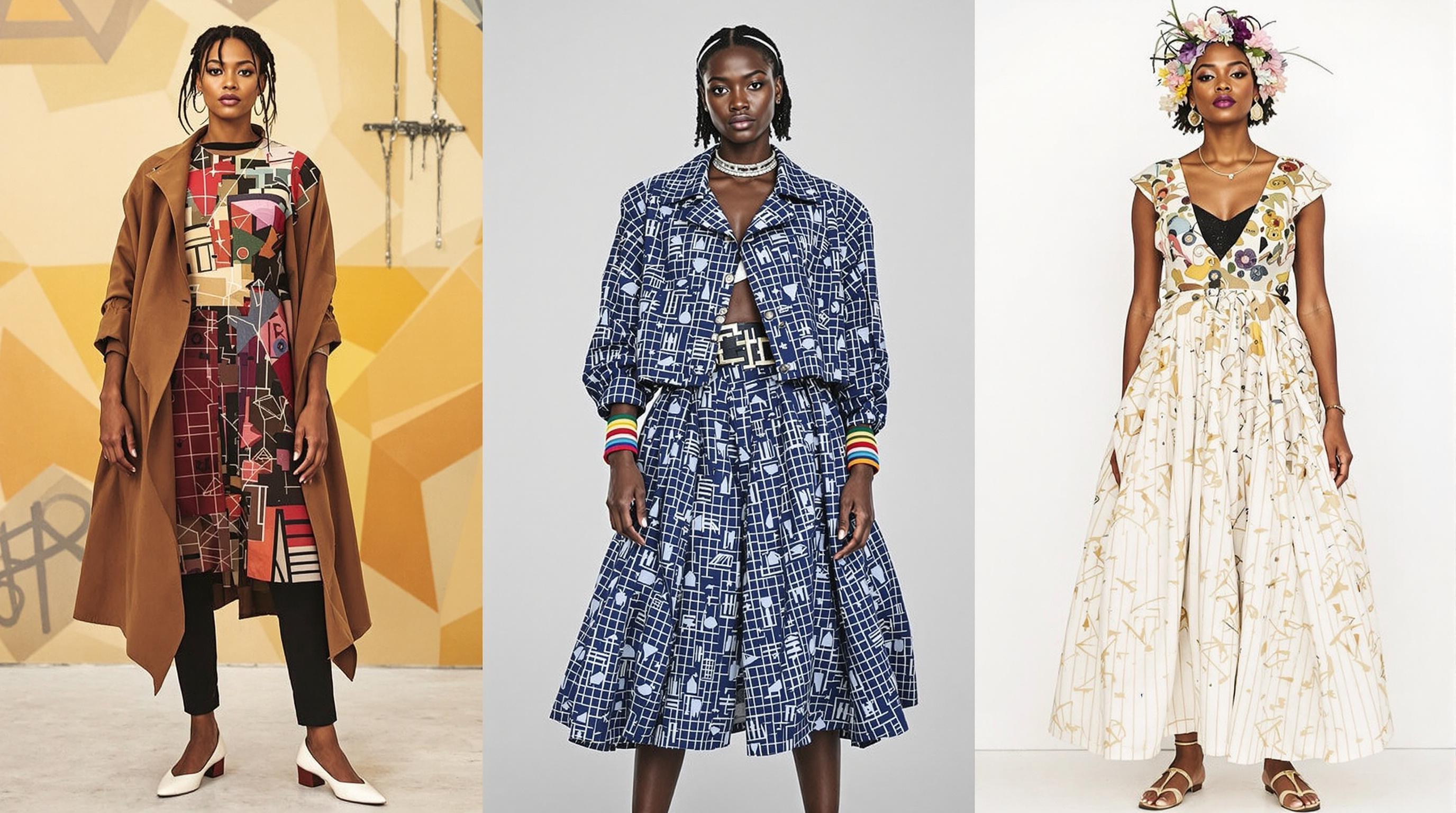
One prominent example of how cultural migration influences fashion is Afro-Futurism—a movement that blends African culture with futuristic designs. Brands like Off-White and Balenciaga have adopted elements such as vibrant prints, oversized silhouettes, and Afrocentric accessories, making statements about identity and inclusivity. The representation of black culture in fashion has never been more critical, and its global recognition provides a platform for marginalized voices. As fashion historian Dr. Susan Scafidi posits, “Fashion is the mirror of societal change”—and the reflection is colorful!
Bridging East and West: A Cultural Conversation
Wearing the world also means creating dialogues between Eastern and Western aesthetics. It’s evident in collections that fuse traditional Japanese kimono crafts with European tailoring, resulting in innovative designs that would astonish both traditionalists and modernists alike. The most famous example is perhaps that of designer Issey Miyake, who has made waves with his unique interpretations that showcase the essence of Japanese textiles while appealing to global markets.
A Touch of Humor—Fashion Faux Pas or Cultural Appreciation?
Now, let’s not forget that the quest for global fashion can sometimes lead to faux pas. (Note: that one friend who wore a turban to an Asian-themed party—it was a cultural misunderstanding, not an intentional oversight!) However, this can spark important conversations about cultural appropriation versus appreciation. The key is intent: the difference between borrowing elements for aesthetic appeal versus understanding and respecting their cultural significance. It’s all fun until someone misinterprets the origin of a colorful poncho—cue the awkward pause!
Defining Personal Style Through Cultural Influence
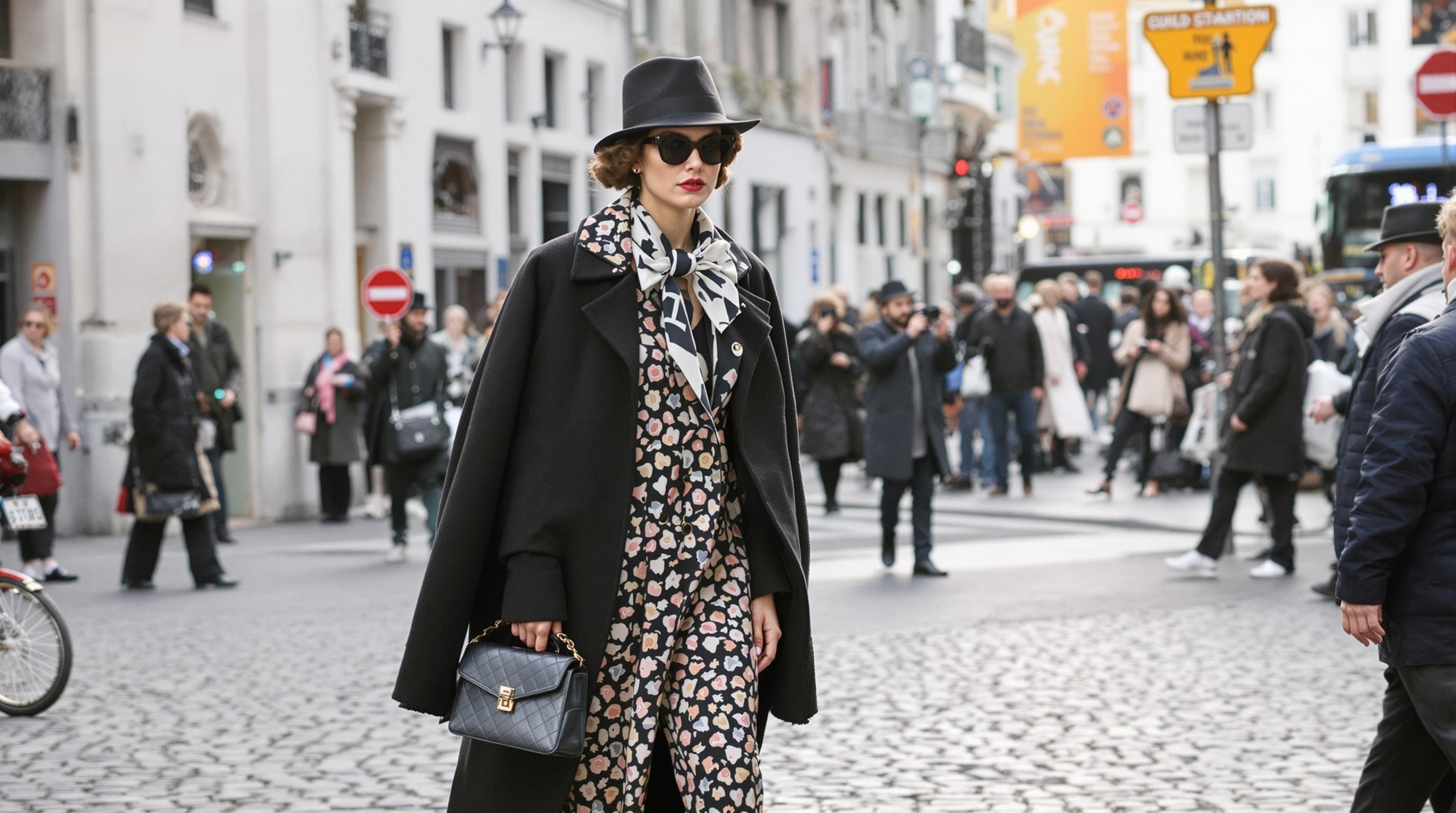
As individuals navigate the sartorial choices reflective of their varied backgrounds, personal style becomes an expression of cultural stories and social identities. For instance, the oversized streetwear trend that originated in the late ’90s in the hip-hop scene draws from both American and Jamaican influences. As people across the globe adopt similar trends, what was once localized fashion becomes a global statement. In a sense, our wardrobes tell tales of who we are and who we wish to be in an interconnected world.
Conclusion: A Tapestry of Fashion
In the end, wearing the world is an exciting journey. Each item in our closets not only enhances our personal style but also speaks volumes about our shared humanity. Global migration intricately weaves together the threads of tradition and innovation, ultimately resulting in a diverse, vibrant, and ever-evolving fashion landscape.
Looking Ahead
As the future unfolds, the impact of migration on fashion will only intensify. What new stories and styles await discovery? Are we ready to embrace the vibrant diversity that colors our everyday looks? As we ponder these questions, let us celebrate the beautiful mosaic that cultural fusion creates—an endless canvas of creativity, identity, and unity.
So go ahead, wear your heritage with pride or opt for eclectic pieces that reflect your vibrant self. After all, in this great fashion journey, everyone has a story worth sharing!
Read More