Related Articles
- Fashion's Second Skin: The Underbelly of Wearable Tech and Its Surprising Roots in Previous Iconic Styles
- Shadows of Style: The Controversial Anti-Fashion Movements That Shook the Industry from Within
- Silent Statements: The Impact of Minimalism in Fashion's Most Overlooked Decades
- Distorted Reflections: The Role of AI in Shaping Fashion Perceptions and Consumer Trust in 2023
- Dressing the Future: How AI-Generated Designs Could Revolutionize Creativity and Profitability in Fashion
- The Art of Unfashion: How Anti-Fashion Movements are Reshaping Consumer Expectations and Market Strategies
Beneath the Surface: The Role of Microbes in Creating Eco-Friendly Fabrics and Their Potential to Revolutionize Fashion
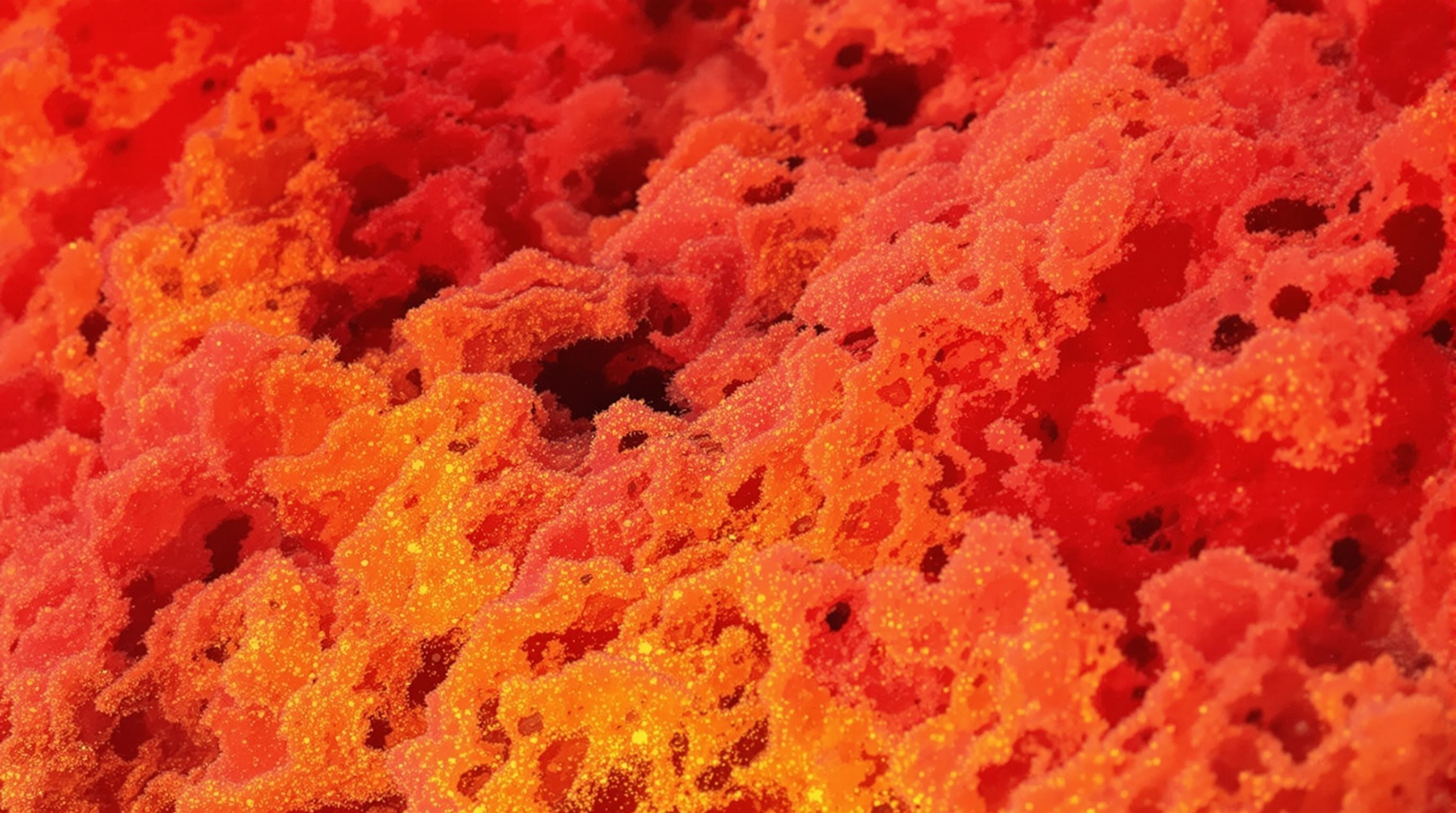
Beneath the Surface: The Role of Microbes in Creating Eco-Friendly Fabrics and Their Potential to Revolutionize Fashion
As the fashion industry grapples with its environmental impact, innovative solutions are emerging from an unlikely source: microorganisms. This article explores how microbes are revolutionizing textile production, creating eco-friendly fabrics, and paving the way for sustainable fashion practices.
Introduction: The Dirty Secret of Fast Fashion
Did you know that the fashion industry is responsible for 10% of global carbon emissions? That staggering statistic translates to more emissions than all international flights and maritime shipping combined (UN Environment Programme, 2018). As consumers, we adore our clothes, but our collective love affair with fast fashion is a relationship with a heavy carbon footprint. It’s time for a change, and that change may very well lie beneath the surface—literally, beneath the surface of our soils and oceans—thanks to the wonders of microorganisms.
The Mighty Microbe: Nature's Unsung Hero
If you think of microbes as mere bacteria that might make you sick, it’s time to rethink your perspective. These tiny organisms play a surprisingly vital role in various ecosystems and have the potential to change industries. What if I told you that the same tiny creatures responsible for breaking down organic matter and recycling nutrients in nature can also be used to create sustainable textiles? Welcome to the world of bio-fabrication, where fungi, bacteria, and even algae are stepping into the spotlight.
Innovative Biofabrication Techniques
Through a process known as biofabrication, scientists and researchers are pioneering ways to cultivate fabrics directly from microbes. One exciting development involves using fungi to create mycelium leather. For example, the company MycoWorks has developed an alternative to traditional leather using mycelium, the root structure of mushrooms. Their product, Reishi, is not only sustainable but also offers durability and aesthetic appeal comparable to animal leather.
A Case Study in Success: Modern Meadow
Modern Meadow, an innovative startup, is leading the charge in bio-fabrication, and their creation of Bioleather demonstrates the enormous potential of microbes in fashion. Instead of raising livestock, the company uses yeast to produce collagen, a key protein in animal hide. They reported that by using fermentation processes, they can reduce water usage by up to 80% and eliminate the harmful chemicals typically used in leather tanning (Modern Meadow, 2021). This forward-thinking approach not only decreases pollution but also opens up more sustainable avenues for clothing production.
Meet Your Future Wardrobe: Bacterial Denim
Fancy a pair of jeans that won’t require chemical dyes and are created using bacteria? Enter the world of bacterial denim. Researchers have discovered ways to use dye-producing bacteria to color fabrics naturally. By employing different strains of bacteria, they can achieve a range of colors without synthetic dyes, which are often toxic to the environment. This method not only reduces the environmental damage caused by conventional dyeing processes but also adds uniqueness to each product—and let’s face it; who doesn’t love a one-of-a-kind piece in their wardrobe?
Environmental Benefits of Microbial Fabrics
The environmental benefits of these microbial textiles extend far beyond their production. For one, they are biodegradable. Unlike synthetic fabrics made from plastics, which can linger in landfills for centuries, materials like mycelium or bacterial fabrics break down in nature, leaving no toxic trace. According to a study from the Textile Research Journal, biodegradable materials can mitigate waste-related issues significantly (TRJ, 2020).
The Circular Fashion Economy
Microbial fabrics align beautifully with the principles of a circular fashion economy. Imagine a system where clothing can be returned to the earth without causing harm, where fashion is not synonymous with waste. With more brands adopting sustainable practices, the future does seem promising. Brands like Stella McCartney and Eileen Fisher are already exploring eco-friendly fabrics and transparent supply chains to eliminate waste (Eileen Fisher, 2021). This shows that the shift toward sustainability isn’t merely a fleeting trend; it’s becoming the new standard.
Challenges Ahead: The Road to Acceptance
However, it would be naive to assume that the journey to mainstream acceptance of microbial fabrics will be an easy one. Consumer perception plays a big role in this transition. Imagine buying a dress made from fermented bacteria—would you trust it to be both stylish and hygienic? While some consumers might embrace the innovation, others might be skeptical about the fabric's durability and efficacy (Fashionista, 2021). Education and transparency in microbial textile production will be essential to changing that narrative.
A Conversation Starter: The Vegan Movement
As the vegan lifestyle continues to gain traction globally, microbial fabrics will likely find favor among conscious consumers. Many vegans and environmentally-minded consumers are actively seeking alternatives to animal-derived materials like leather and wool, making microbial options an enticing proposition. Not to mention, the chance to rock a unique, trendy outfit made from fungi might just be the coolest dinner conversation starter ever. Imagine casually dropping, “Oh, this jacket? It’s 100% mushroom leather!”
Market Potential and Future Trends
The market potential for eco-friendly microbial textiles is staggering. According to a report by Research and Markets, the global sustainable fabric market is expected to reach $163 billion by 2024, growing at a CAGR of over 9% (Research and Markets, 2021). As awareness of sustainable fashion practices increases, more investors and brands will likely jump on board. The key to success will be continued innovation and collaboration across the industry, from fabric producers to fashion designers.
Call to Action: Your Role in Sustainable Fashion
So what can you do as a conscious consumer? Start by educating yourself about the brands you support. Look for those that prioritize sustainable practices, transparency, and ethical sourcing. Sharing your knowledge about microbial fabrics can also create dialogue and promote change. After all, each of us has the power to influence the market through our choices—your wardrobe can either contribute to pollution or help support a healthier planet.
Final Thoughts: A Fabric of the Future
Microbes may be tiny, but they are mighty, and their role in revolutionizing the fashion industry is monumental. As we strive for a more sustainable future, it’s comforting to know that innovative solutions are brewing beneath our feet. By embracing microbial fabrics, we can not only reduce our environmental impact but also redefine what fashion can be. So, next time you’re shopping, consider checking out the microbial alternatives and being part of a movement toward eco-friendly fashion.
Read More