Related Articles
- Fashion's Second Skin: The Underbelly of Wearable Tech and Its Surprising Roots in Previous Iconic Styles
- Shadows of Style: The Controversial Anti-Fashion Movements That Shook the Industry from Within
- Silent Statements: The Impact of Minimalism in Fashion's Most Overlooked Decades
- Distorted Reflections: The Role of AI in Shaping Fashion Perceptions and Consumer Trust in 2023
- Dressing the Future: How AI-Generated Designs Could Revolutionize Creativity and Profitability in Fashion
- The Art of Unfashion: How Anti-Fashion Movements are Reshaping Consumer Expectations and Market Strategies
Reimagining Waste: How Upcycled Materials Are Revolutionizing the Future of Couture and Wardrobe Practices
Reimagining Waste: How Upcycled Materials Are Revolutionizing the Future of Couture and Wardrobe Practices
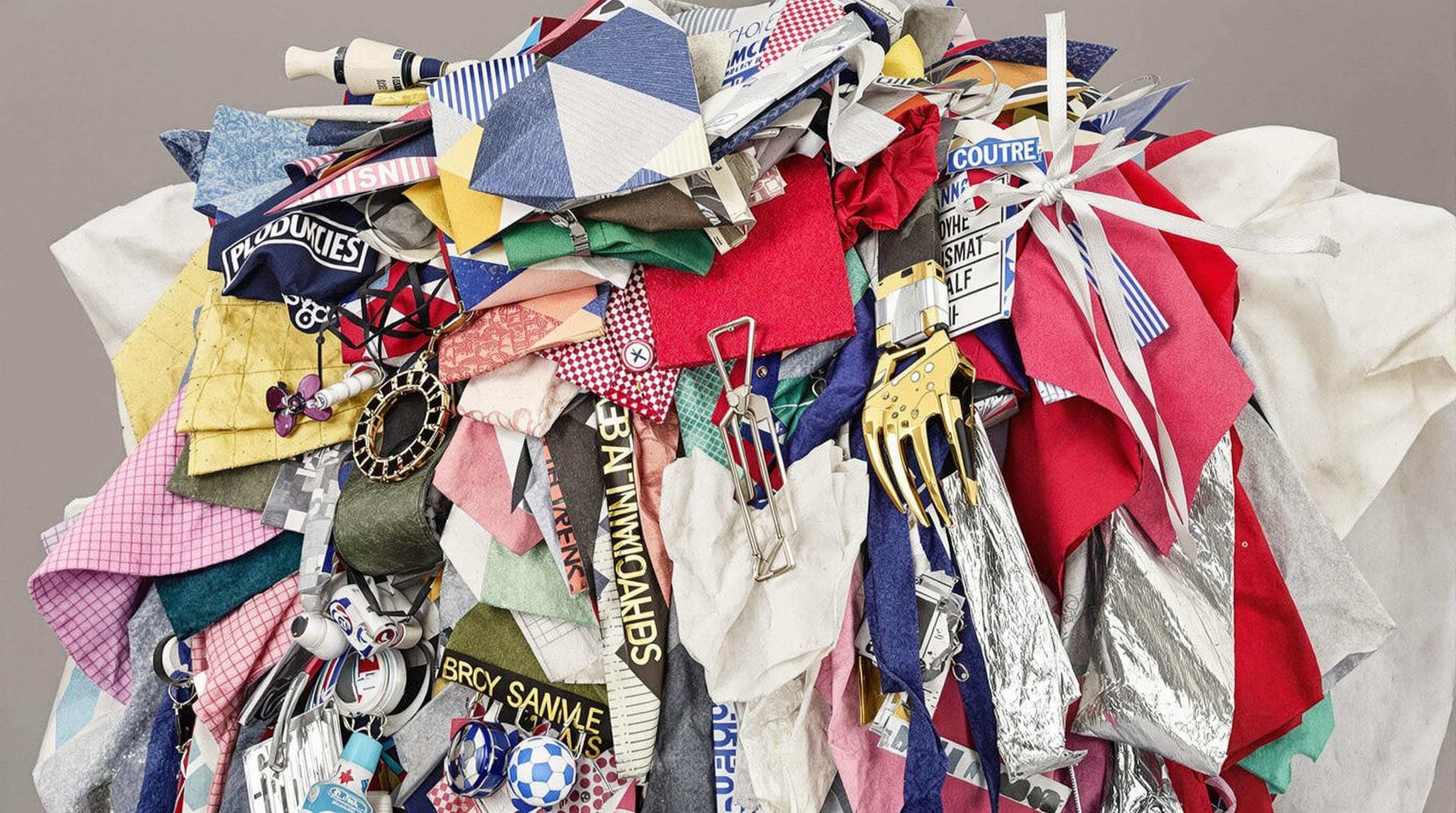
In a world grappling with waste and environmental concerns, upcycled materials are breathing new life into the fashion industry. This article explores the innovative journey of upcycled couture, examining the creative processes behind this movement and its impact on future wardrobe practices.
The Upcycling Revolution: A Fashion Statement
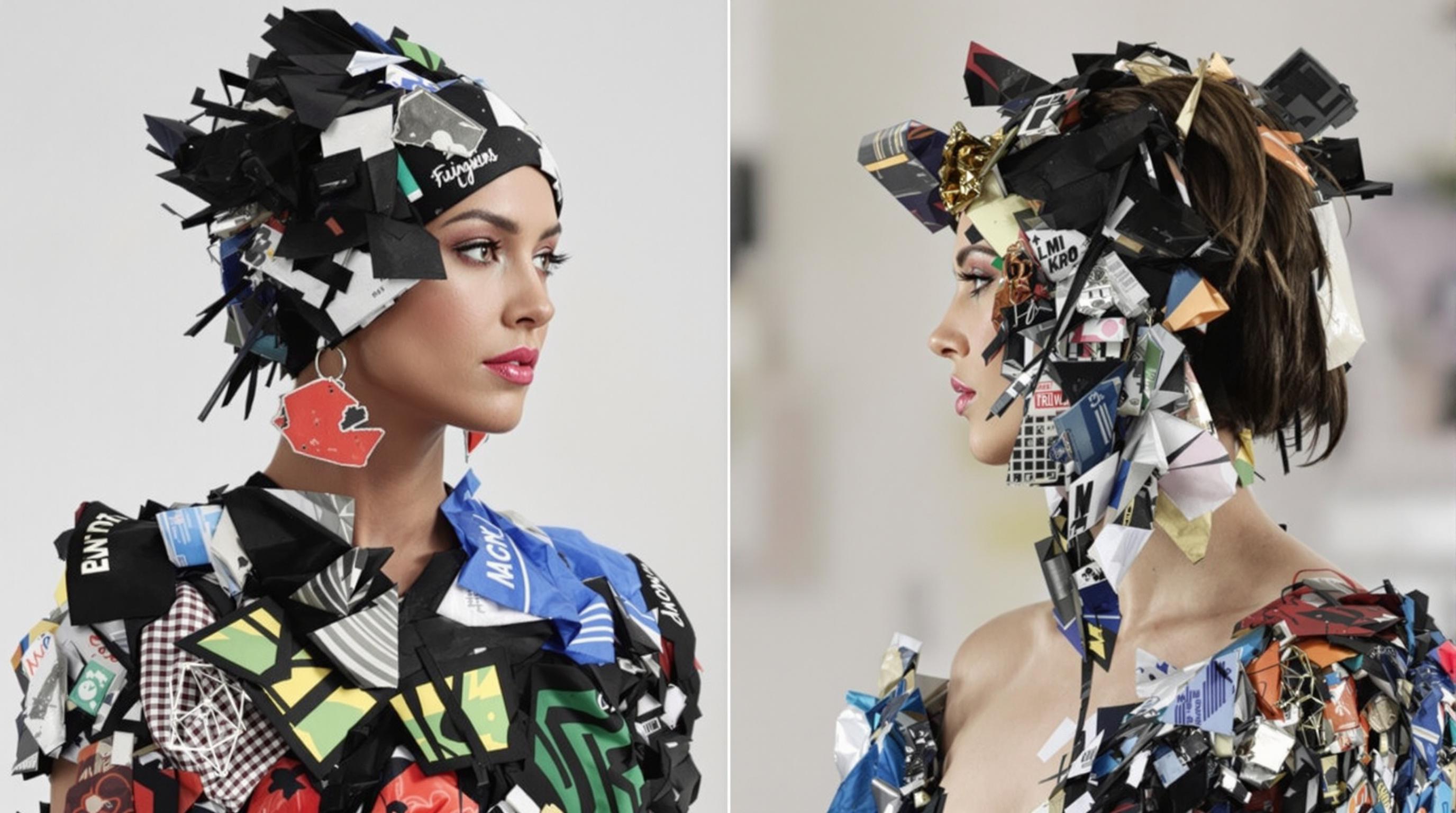
Imagine walking down Paris’s Champs-Élysées, draped in a garment made entirely from discarded plastic bottles and vintage fabric scraps. Sounds bizarre, right? Yet, this is becoming the norm as designers and fashionistas embrace upcycling as not just a trend, but a crucial movement towards sustainability. The term “upcycling” refers to the process of repurposing waste materials into new products that add value, while reducing environmental impact.
The Environmental Call to Action
According to the United Nations, the fashion industry is the second-largest polluter in the world, contributing to 10% of global CO2 emissions (UN Environment Programme, 2021). With alarming statistics like these, it’s no wonder consumers are starting to look for sustainable alternatives. Upcycled fashion not only helps to significantly reduce waste but also challenges the fast-fashion model that prioritizes quick production over ethical consumption.
Stitching Together a New Narrative
Let’s take a journey into the heart of this revolution. A notable figure leading the charge is English designer Christopher Raeburn. His collections, crafted from surplus military fabric, tell a story of regeneration and ethical craftsmanship. By using readily available materials, Raeburn not only saves textiles from landfills but also promotes a narrative of resourcefulness. “It’s about taking waste and making a new story,” he says (Lehmann, 2020).
Consider the story of Patagonia, a brand that has been at the forefront of sustainable fashion. Their 'Worn Wear' program encourages customers to repair and upcycle their old garments, extending the lifecycle of their products. In 2021, Patagonia diverted over 8.5 million pounds of clothing from landfills through their repair initiatives. There’s a lesson here: when we shift our mentality from buying new to reusing what we already have, we're not just making a fashion statement; we’re making an environmental one.
Where Art Meets Environment
Many couture designers are realizing that upcycling is not just about the materials; it’s about creating art that’s meaningful. For example, the avant-garde label “Re/Done” takes vintage Levi’s jeans and transforms them, creating unique pieces that carry both history and style. Each pair feels special, like wearing a piece of legacy. “Fashion should tell a story,” asserts co-founder Sean Barron. And boy, are these pieces speaking volumes!
Statistics and Impact: The Numbers Don’t Lie
In 2023 alone, the global sustainable fashion market was valued at approximately $6.43 billion and is projected to grow at a compound annual growth rate (CAGR) of 9.7% from 2024 to 2030 (Statista, 2023). This growth demonstrates not only a shift in consumer attitudes but also the willingness of brands to adapt to new sustainable practices. With upcycling gaining traction, one can only predict an upward spiral in creative possibilities and market demand.
The Age of Conscious Consumerism
A staggering 66% of consumers are willing to pay more for sustainable experiences, according to a Nielsen report (Nielsen, 2020). This growing interest is driving designers and retailers to rethink their strategies, turning to upcycling as a viable solution. When you think about it, fashion has always been about expression—but what if that expression comes with a conscience? It’s time to revamp the closet, not just for aesthetics but for the planet.
A Casual Attitude Toward Serious Issues
Hey, fellow fashion lovers! Let’s be real for a sec: How many of us have a pile of clothes in the back of our closets that we haven’t worn in ages? Raising my hand here! Instead of tossing them out or stuffing them further into the abyss of our wardrobes, it’s time to let our creativity run wild. Grab those forgotten jeans and a funky shirt, and who knows what masterpiece you might create? Upcycling isn’t just for the runways; it’s for every closet!
The Influence of Instagram and Social Media
Social media is another driving force behind the upcycled fashion movement. Platforms like Instagram are brimming with influencers and designers showcasing their upcycled works, inspiring followers to rethink their wardrobe choices. The viral trend of “thrift flips” encourages millions to take secondhand items and transform them into something spectacular, further fostering the upcycling culture.
Rescue, Rework, and Redefine
As the world’s waste problem intensifies, so does the need for a change in how we approach our wardrobes. Upcycling isn’t just about recycling fabric; it’s about redefining our relationship with fashion. Adopting a mindset of “rescue, rework, and redefine” not only revamps our own closets but promotes a more sustainable culture within the fashion industry.
Case Study: The Fashion Industry’s Restart
Take the case of the Paris-based label “Maison Cléo.” Founded by a mother-daughter duo, this brand thrives on using vintage fabrics and unsold inventory to create elegant pieces that resonate with their customers. After launching in 2017, their models “Bella” and “Anais” gained rapid popularity, leading to waitlists for products. This phenomenon highlights a burgeoning market for upcycled couture, showcasing that sustainable choices can indeed be stylish!
The Future is Upcycled
As we peer into the future of fashion, it’s evident that upcycled materials will play a pivotal role in shaping the industry. While traditional fashion relies on new materials sourced globally, the upcycling movement encourages local and ethical practices that not only support the environment but local communities as well.
With established brands and new designers alike embracing upcycling, the possibilities are endless. Whether it’s through fabric scraps, discarded garments, or even unexpected materials like seat belts and parachutes, each piece tells a story of resilience and creativity.
Breaking Down Barriers: Inclusivity in Upcycling
One of the undeniable beauties of the upcycling movement is its inclusivity. Anyone can jump into the trend—regardless of age, experience, or background. DIY workshops are popping up everywhere, allowing individuals to learn new techniques and push the boundaries of their creativity. This newfound accessibility encourages a global community to redefine fashion and waste management together.
From Waste to Wardrobe: Your Role
Want to join the upcycling revolution? It starts with becoming more aware of your choices. First, assess your closet. What items could be transformed into something fabulous? Challenge yourself to upcycle at least one clothing item this month. Share your creation on social media and inspire others to join the movement! As the saying goes, “One person’s trash is another person’s treasure.” Let’s make that treasure a stylish one!
Final Thoughts
Upcycled materials are more than just a trend; they represent a transformative shift in the outlook on fashion and waste. By adopting and adapting innovative techniques, designers are changing the narrative surrounding consumption, sustainability, and creativity. The revolution is here, and it's time for us all to get involved—because together, we can truly redefine couture and wardrobe practices for a better tomorrow.
In every thread woven from discarded materials lies a story of hope and reinvention. The question now is: how will you contribute to this tale?
Read More