Related Articles
- Fashion's Second Skin: The Underbelly of Wearable Tech and Its Surprising Roots in Previous Iconic Styles
- Shadows of Style: The Controversial Anti-Fashion Movements That Shook the Industry from Within
- Silent Statements: The Impact of Minimalism in Fashion's Most Overlooked Decades
- Distorted Reflections: The Role of AI in Shaping Fashion Perceptions and Consumer Trust in 2023
- Dressing the Future: How AI-Generated Designs Could Revolutionize Creativity and Profitability in Fashion
- The Art of Unfashion: How Anti-Fashion Movements are Reshaping Consumer Expectations and Market Strategies
Fashion Alchemy: Transforming Everyday Trash into High-Style Couture While Challenging Wasteful Norms
Fashion Alchemy: Transforming Everyday Trash into High-Style Couture While Challenging Wasteful Norms
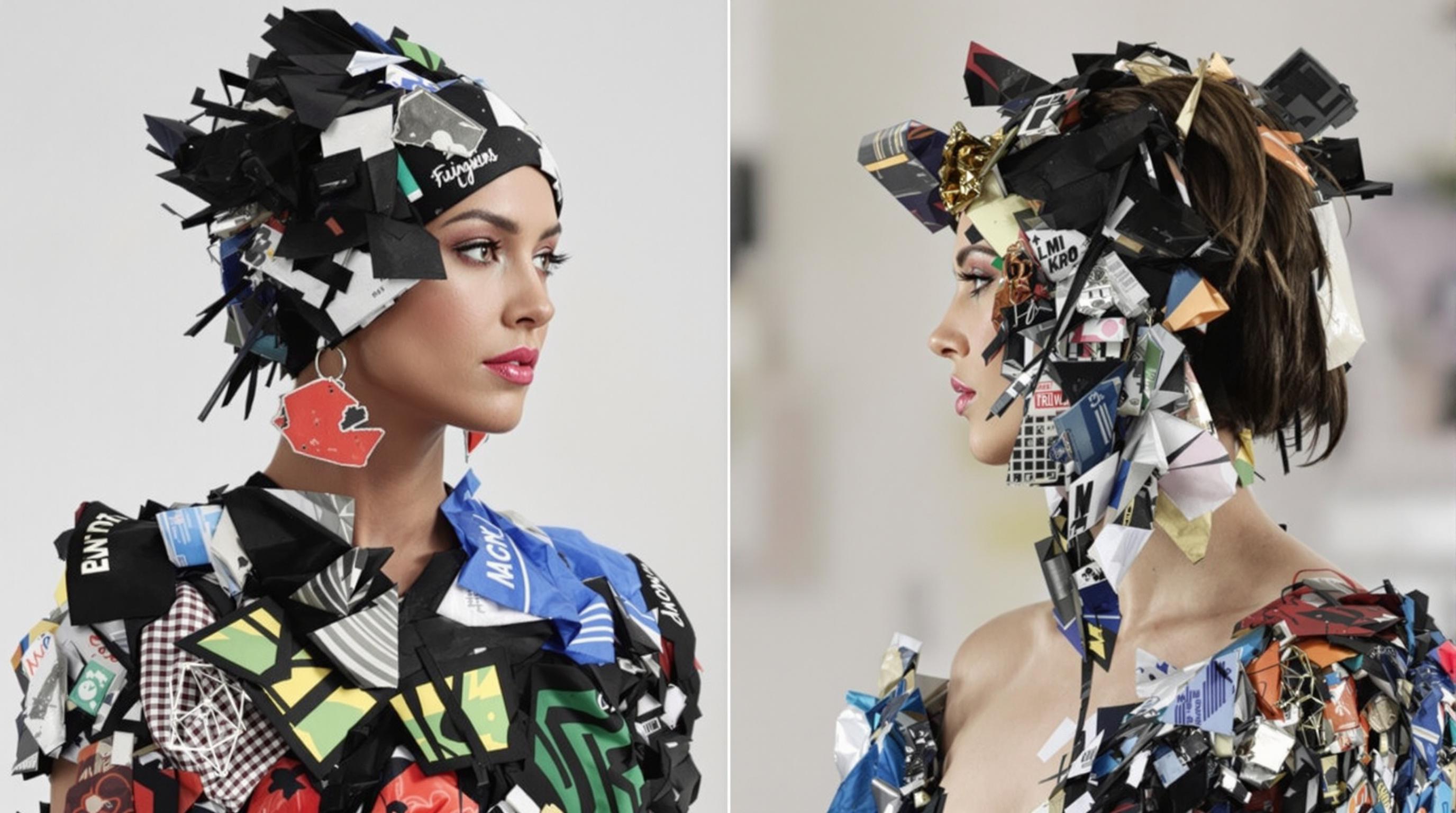
Fashion Alchemy transforms everyday trash into high-style couture, revolutionizing the concept of waste and creativity in the industry. This article explores innovative practices that both challenge wasteful norms and reflect a changing paradigm in fashion—from high fashion runways to grassroots movements.
Introduction to Fashion Alchemy
In the age of fast fashion, where clothing is designed to be worn a handful of times before being discarded, the concept of sustainability seems almost like an oxymoron. Yet, a new breed of designers is rapidly changing this narrative, crafting masterpieces from what many would consider mere garbage.
Reimagining Waste: The New Designer Frontier
Imagine stepping onto a runway where models showcase garments made entirely from repurposed materials—cans, plastic bags, and even old electronics. This is not some post-apocalyptic fashion show, but rather the bleeding edge of eco-conscious design. A recent study by the Ellen MacArthur Foundation reported that fashion is responsible for 92 million tons of waste each year, prompting the rise of innovative solutions that turn this waste into haute couture. Fashion alchemists like Marina Kreps and the trio behind Reformation are paving the way for this bold new territory.
The Cost of Trend: A Deep Dive
According to the World Bank, the global population is expected to reach 9.7 billion by 2050, which translates to an estimated 1.2 billion tons of waste generated annually. Traditional fashion manufacturing hooks consumers into a cycle of consumption that is unsustainable. Throwing away clothes that could have been salvaged leads to dire consequences for our environment.
The Humor in High Fashion Waste
On one comedic note, some brands are leveraging humor by marketing ‘pre-loved’ items as if they are the latest trend. It’s almost as if they’re saying, “Sure, this shirt has housed a family of moths, but doesn’t it scream vintage chic?” This somewhat tongue-in-cheek approach sheds light on the absurdity of waste in the fashion industry and encourages consumers to rethink what “new” really means.
Case Study: The Power of Upcycling
Upcycling—taking discarded materials and transforming them into new products—is at the heart of fashion alchemy. For instance, designer Elvis Pirelli's collection made headlines after a particularly audacious dress was created from leftover seat belts found in junkyards. This dress not only cost a fraction of traditional gowns but also promoted awareness about resource waste. It’s a win-win situation!
Spotlight on Emerging Designers
Young designers like Priya Pillai have taken this movement to heart by utilizing plastic waste recovered from the ocean in their designs. Pillai’s 2022 collection, “Tides of Change”, brought attention to the staggering statistic that roughly 8 million tons of plastic enter the oceans each year. Pillai’s designs are not just pieces of clothing but poignant commentaries on consumer behavior, inviting us as spectators to rethink our choices.
DIY Fashion Revolution
For those of us with a knack for creativity, the DIY route is as empowering as it is sustainable. Youtube channels like “The Sorry Girls” feature tutorials that turn recycling into a hobby, showing how that old shirt destined for the trash can metamorphose into a trendy tote bag. The charm of creating something beautiful from nothing goes beyond aesthetics—it fuels a grassroots movement toward environmental consciousness.
Fashion Industry Responses: High-end Initiatives
Even the major players in the fashion industry are beginning to embrace a more ethical approach. Brands like Gucci and Stella McCartney have launched initiatives focusing on creating sustainable collections. For example, Gucci’s “Off the Grid” line is made entirely from recycled, organic, or sustainably sourced materials, demonstrating that luxury can coexist with responsibility.
A Shift in Consumer Mindset
Millennials and Generation Z are driving a change in consumer attitudes with a penchant for sustainability over mere brand loyalty. As of 2023, a report by McKinsey revealed that over 66% of consumers are willing to pay more for sustainable products—a trend anticipated to rise. This shift is igniting a renaissance of sorts, where waste is no longer an afterthought but a primary resource.
The Role of Social Media in Fashion Alchemy
Platforms like Instagram and TikTok serve as critical catalysts for this shift, enabling creators to share their upcycled fashion journeys with broader audiences. The viral hashtag #WasteNotFashion serves to inspire individuals worldwide, showcasing everything from DIY upcycled accessories to extravagant runway looks composed of what once was thrown away. Social media continues to be a powerful tool, growing a visual community around the concept of turning waste into art.
Personal Stories: The Transformative Power of Fashion Alchemy
So, dear reader, think about your favorite article of clothing. Was it a spontaneous purchase or a deeply considered investment? Perhaps it was a thrift store gem that just spoke to you. These are not just clothes; they symbolize choices we make every day. Sharing a personal anecdote—like my grandmother’s hand-stitched tablecloth transformed into a stunning evening dress—can inspire us to consider our relationship with fashion differently.
This Isn’t Just Fashion. It’s a Movement.
Fashion is more than the clothing we wear; it's how we express ourselves, our values, and our vision for the world. Designers transforming waste into art are not merely creating fashion; they are driving a substantial cultural shift where sustainability becomes the cornerstone of style. It's proof that high fashion can also be a powerful tool for challenging societal norms.
Conclusion: The Future of Fashion Alchemy
As we move forward, we must embrace the idea of conscious consumption, learning to love and cherish our garments while supporting designers who put the planet first. With growing awareness and innovation in upcycling and sustainable practices, fashion is entering a transformative era and inviting us all to be part of this alchemical process. The runway of the future is paved not with the latest trends but with sustainable practices that change the fashion landscape forever. Let’s not just wear our clothes; let’s wear our values.
So, What’s Next?
If you haven’t yet dabbled in the art of upcycling, consider taking a fashion alchemy challenge: create something beautiful from something you would typically discard. Who knows, you may end up holding a unique piece of wearable art that tells its own story. More than just a fashion statement, it might just be the beginning of your own journey toward sustainable living.
Read More