Related Articles
- Fashion's Second Skin: The Underbelly of Wearable Tech and Its Surprising Roots in Previous Iconic Styles
- Shadows of Style: The Controversial Anti-Fashion Movements That Shook the Industry from Within
- Silent Statements: The Impact of Minimalism in Fashion's Most Overlooked Decades
- Distorted Reflections: The Role of AI in Shaping Fashion Perceptions and Consumer Trust in 2023
- Dressing the Future: How AI-Generated Designs Could Revolutionize Creativity and Profitability in Fashion
- The Art of Unfashion: How Anti-Fashion Movements are Reshaping Consumer Expectations and Market Strategies
Unseen Threads: How Cultural Narratives Shape the Future of Sustainable Wardrobe Choices Worldwide
Unseen Threads: How Cultural Narratives Shape the Future of Sustainable Wardrobe Choices Worldwide
The choices we make about our wardrobes reflect deeply ingrained cultural narratives, influencing sustainable fashion on a global scale. As we explore these unseen threads, we uncover how identity, consumption, and ethical considerations intertwine, shaping the future of how we dress responsibly.
The Fabric of Culture
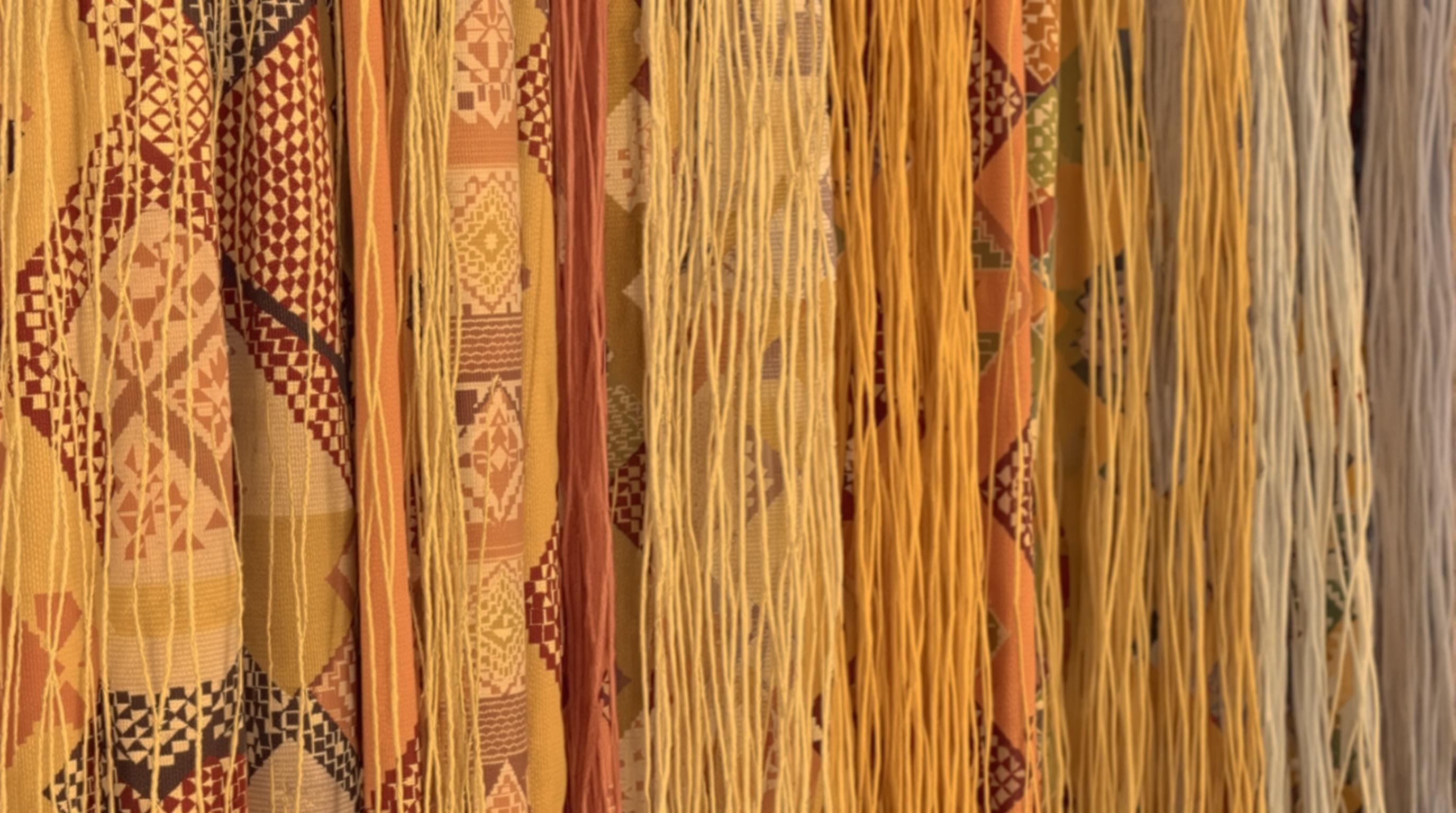
Cultural narratives act as threads in the fabric of society, weaving together **values**, **traditions**, and **identities**. From tribal patterns symbolizing heritage to modern minimalism reflecting a fast-paced lifestyle, the stories behind clothing choices reveal more than mere aesthetics. For instance, in many Indigenous cultures, garments are imbued with stories and meanings, reflecting a deep respect for nature, as demonstrated by the Navajo weaving traditions that emphasize sustainability and community (Source: National Park Service). Each piece tells a story, infusing the act of dressing with a philosophical underpinning that connects to larger societal values.
A Brief History of Sustainable Fashion
It’s essential to understand that sustainable fashion is not a contemporary trend; it’s been growing roots throughout history. For example, **during World War II**, fabric rationing forced people to mend and repurpose clothing, laying the groundwork for a culture of upcycling. Years down the line, the emergence of brands like **Patagonia** in the 1970s heralded a notable shift towards eco-conscious consumerism. Their "don't buy this jacket" campaign in 2011 exemplified how marketing can challenge consumer behavior, urging individuals to be more thoughtful about their purchases.
The Role of Identity in Wardrobe Choices
Wardrobe choices are often a reflection of personal identity. As a **22-year-old** fashion enthusiast, I find myself navigating the complexities of self-expression through clothing. Studies indicate that **87% of millennials** prioritize brands offering sustainable products, suggesting that environmental consciousness is becoming a significant facet of identity among younger generations (Source: Nielsen). In contrast, older generations may recall the cultural significance of their clothing in framing social status or professional persona. Bridging these narratives can encourage cross-generational dialogues that enrich our understanding of fashion’s role in identity.
Conversations on Sustainability
Let’s chat about the elephant in the room—fast fashion. Companies like Zara and H&M have made clothing **so affordable** that it’s almost too tempting to resist. But here's where it gets tricky; this insatiable demand for newness leads to staggering consequences: “**The fashion industry is responsible for 10% of global carbon emissions** and is a major contributor to water pollution” (Source: UN Environment). We’ve become wedded to the idea that new equals better, but what if we started viewing sustainability as a crucial component of our future choices?
Gender Narratives: Fashion, Sustainability, & Expectation
The interplay of gender and fashion is also pivotal when discussing sustainable wardrobe choices. Historically, women have been both the **leading consumers** and influencers of fashion trends. However, there's a rising tide of masculine brands emerging that embrace sustainability—a cultural shift reflecting a more gender-fluid understanding of identity. For instance, **the brand “Reformation”** has recently expanded its offerings for men, recognizing that eco-conscious consumers come in all forms. This signals a collective movement towards inclusivity in sustainable fashion narratives.
Humor and Sustainability: A Match Made in Fabric
So, why should sustainability come wrapped in a bow of humor? Well, it makes the conversation enjoyable! Why don’t sustainability advocates ever play cards? Because they’re afraid of the “**deck**” getting stacked against the planet. Humor helps alleviate the weight of daunting statistics and encourages more people to participate in the discourse. When you make it fun, discussions about changing consumer patterns can be as enticing as a new runway collection.
Case Study: Ethical Influencers
Look no further than ethical influencers dominating social media platforms. They’re reshaping how we perceive sustainable fashion choices. **Lauren Singer**, known for her zero-waste lifestyle, boasts **over 2 million followers** on Instagram. Her approach highlights how stylish living and sustainability can coexist—especially affecting younger audiences. By sharing content that resonates with their desires and aesthetic, these influencers challenge prevalent narratives and provide alternatives to fast fashion that feel attainable and attractive.
Sustainable Wardrobe Essentials
As we discuss the unseen threads of cultural narratives, it’s beneficial to look at practical steps for embracing sustainability in your wardrobe. Here are a few essentials:
- Quality over Quantity: Invest in a few high-quality pieces that you truly love, rather than a multitude of throwaway items.
- Thrift and Second-Hand: Explore thrift shops or swap clothes with friends. These choices honor the spirit of upcycling while adding unique items to your wardrobe.
- Support Local Artisans: By going local, you contribute to economic sustainability while nurturing community connections.
The Future We Weave
As the global conversation around sustainability evolves, it’s clear that cultural narratives wield significant influence over our wardrobe choices. While fashion may seem frivolous on the surface, its ties to identity, economic status, and ethical considerations create a tapestry that deserves exploration. In the next few years, expect tech innovations to also play a role; from **biodegradable materials** to **3D-printed clothing**, the horizon looks promising. We hold the power to shape where we’re heading; each conscious choice can thread its way to a more sustainable future.
Final Thoughts: We Are the Weavers
As consumers, we are the weavers of our own future. Today’s choices are tomorrow’s narratives, and it’s our collective responsibility to ensure these stories reflect sustainability rather than exploitation. Just imagine a world where cultural threads inspire endless creativity and awareness—one where our wardrobes not only tell stories but also respect our planet.
So, next time you ponder what to wear, consider not only the fabric against your skin but also the unseen threads woven into your wardrobe choices. Let’s keep the conversation going, and who knows? You may just become a storyteller in the ongoing narrative of sustainable fashion.
Read More