Related Articles
- Fashion's Second Skin: The Underbelly of Wearable Tech and Its Surprising Roots in Previous Iconic Styles
- Shadows of Style: The Controversial Anti-Fashion Movements That Shook the Industry from Within
- Silent Statements: The Impact of Minimalism in Fashion's Most Overlooked Decades
- Distorted Reflections: The Role of AI in Shaping Fashion Perceptions and Consumer Trust in 2023
- Dressing the Future: How AI-Generated Designs Could Revolutionize Creativity and Profitability in Fashion
- The Art of Unfashion: How Anti-Fashion Movements are Reshaping Consumer Expectations and Market Strategies
Digital Wardrobes: Exploring the Intersection of Virtual Fashion and Real-World Sustainability Initiatives
Digital Wardrobes: Exploring the Intersection of Virtual Fashion and Real-World Sustainability Initiatives
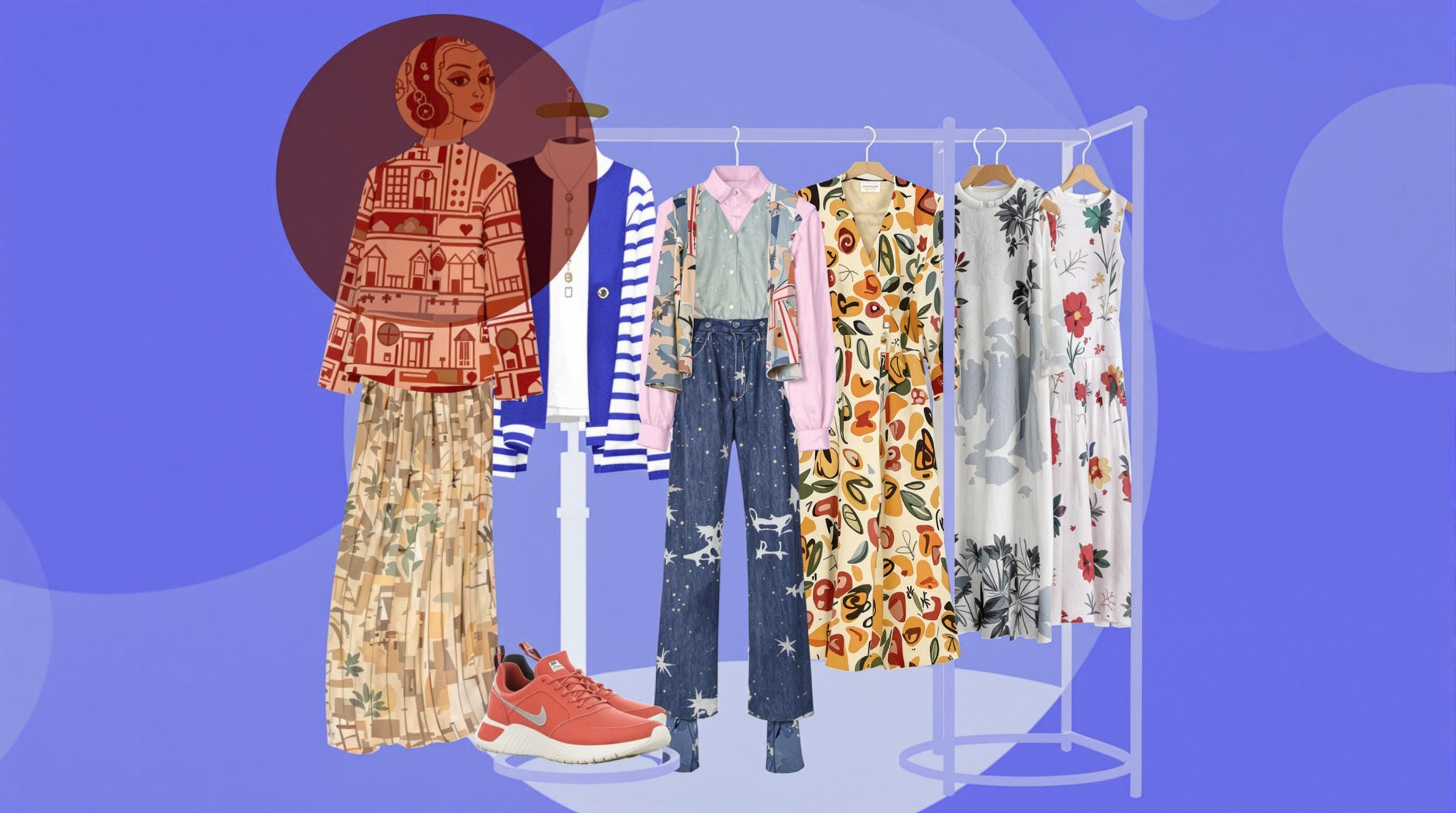
Digital wardrobes are fast becoming an innovative link between virtual fashion and real-world sustainability efforts, offering a new lens through which to view our consumption habits. As we navigate this intersection, it’s crucial to understand how this technology can reshape the fashion industry and contribute to global sustainability initiatives.
The Rise of Digital Wardrobes
As an 18-year-old fashion enthusiast, I can confirm that digital wardrobes are no longer a futuristic dream but a burgeoning reality. Platforms like Zalando and CLO 3D are revolutionizing how we interact with style—allowing users to create, share, and wear virtual outfits in a myriad of fashion-forward ways.
The Impact of Fast Fashion
Let’s kick things off with a fact: the fashion industry is one of the largest polluters globally, responsible for about 10% of annual carbon emissions according to the Natural Resources Defense Council. This staggering statistic underscores the urgency for change within fashion, with many brands racing to adopt more sustainable practices.
A Stitch in Time Saves Nine
Imagine this: you’re staring at a closet full of clothes but feeling as if you have nothing to wear. Sound familiar? With digital wardrobes, you can try on myriad options without physically purchasing them. Virtual fitting rooms offer a fun spin on outfit selection, blending technology and fashion in a way that promotes conscious consumption.
Statistics that Make You Think
Let’s delve into some eye-opening statistics. The production of clothing has doubled over the past 15 years, and consumers are now purchasing 60% more items than they did in 2000—even though they are keeping those items for half as long (McKinsey & Company, 2021). Digital wardrobes give consumers a platform to embrace a more sustainable lifestyle by encouraging them to think twice before hitting “purchase.”
Creativity Meets Sustainability
What if we told you that over 50% of a garment’s carbon footprint is generated during its production phase? By choosing virtual fashion, consumers can reduce the need for new items, thereby decreasing the overall carbon footprint associated with traditional clothing manufacturing. It operates on a simple rule: the less we buy, the lighter our footprint becomes.
Case Studies: Successes and Failures
Take the example of Swedish retailer H&M. In its pursuit of sustainability, H&M launched a campaign urging customers to recycle their clothes. While this initiative saw some success, critics argue that its underlying business model still encourages consumerism. Enter digital wardrobes: by shifting the focus from ownership to experience, brands can cultivate a more sustainable approach.
Virtual Fashion, Real Impact
The digital wardrobe movement doesn’t stop at reducing carbon footprints; it's also paving the way for innovative marketing strategies. Brands like Balenciaga have begun to incorporate augmented reality into their campaigns—allowing consumers to try on products virtually and ultimately leading to a decrease in return rates, which have been a significant contributor to waste in retail. According to statistics, around 30% of online purchases are returned, and handling these returns generates more carbon emissions than expected.
Engaging the Younger Generation
And let’s be real: if you’re in your teens or twenties, having a trendy digital wardrobe provides instant gratification. You can flaunt your virtual outfits on social media without cluttering your physical space—perfect for lining up those Instagram posts! It’s not just trendy; it’s smart.
A Cautionary Tale
However, the digital wardrobe revolution isn’t without its critics. Some argue that the experience of wearing actual fabric can’t be replicated with pixels, and there’s a genuine fear about isolating consumers from tactile experiences. What’s the point of fashion if you can’t feel the fabric? Well, that’s where hybrid solutions come in—a balance between virtual and physical fashion allows us to maintain that sensory experience while still engaging with sustainability.
A Call to Action
We can’t ignore the reality of climate change any longer. Fashion needs to lead the charge—not just for our wardrobes but for the planet. As digital wardrobes make their presence felt, it’s imperative we support brands that adopt technology for ethical, sustainable practices.
Community Building Through Digital Platforms
Brands are beginning to create communities through digital wardrobes. Platforms like Daz 3D have engaged users by inviting them to showcase their virtual looks, thus reinvigorating the connection between consumers and brands. This engagement facilitates deeper conversations about sustainability, encouraging eco-conscious habits through shared experiences.
The Future is Virtual
Imagine urban landscapes where virtual try-on zones coexist with traditional stores, allowing consumers to experience both without the environmental burden. In this scenario, every town could become a fashion hub, where local creators collaborate with tech companies to build sustainable brands without the traditional retail footprints.
Balancing Tradition with Innovation
As I reflect on this intersection of virtual and tangible realities, it brings to mind an anecdote from my childhood. My grandmother used to sew her own clothes, and though that’s a practice dwindling in modern times, it’s worth noting that digital wardrobes can revive similar practices. Consumers can curate wardrobes filled with timeless pieces while participating in a more sustainable cycle of fashion. It's almost a renaissance of sorts, just in a digital age!
Shopping as An Experience
Gone are the days when shopping was merely transactional. Today, the rise of immersive experiences—multimedia interactions, social sharing, and online gamification—are all part of the digital wardrobe phenomenon. According to research, customers who engage with brands in interactive ways tend to stay loyal longer. They’re not just buying clothes; they’re investing in a lifestyle that values sustainability.
Fashion is Political
Fashion is often at the forefront of cultural shifts. Revolutions in fashion have historically coincided with social change. Today, a new generation of environmentally conscious consumers is shaping this landscape, and digital wardrobes are lending their voice to the movement. Not only do they provide a platform for self-expression, but they also serve as tools for generating awareness about sustainability issues. For instance, platforms might host discussions about the environmental impact of raw materials or the importance of ethical labor practices.
Bridging the Gap
Progressive brands are beginning to create items that can seamlessly transition between digital and physical realms. Take PacSun—their collaboration with virtual designers not only includes functional clothing but also offers exclusive digital versions of each piece, inviting customers to collect and flaunt them in their online avatars. The practice of ‘dual ownership’ presents an exciting frontier in the digital wardrobe conversation.
The Time for Digital Wardrobes
As brands and consumers embrace digital wardrobes, we can look forward to a future where innovation meets sustainability head-on. So, let’s stop treating clothes as disposable and start treating them as investments—whether in the real world or the virtual realm.
Conclusion: A Sustainable Wardrobe Awaits
The journey towards a more sustainable fashion industry is just beginning, and digital wardrobes may be the answer we’ve all been waiting for. They offer us the opportunity to explore new avenues of creativity while still honoring our commitment to protecting our planet. It's not merely a trend; it’s a profound shift towards making fashion both fabulous and responsible at the same time.
Read More