Related Articles
- Fashion's Second Skin: The Underbelly of Wearable Tech and Its Surprising Roots in Previous Iconic Styles
- Shadows of Style: The Controversial Anti-Fashion Movements That Shook the Industry from Within
- Silent Statements: The Impact of Minimalism in Fashion's Most Overlooked Decades
- Distorted Reflections: The Role of AI in Shaping Fashion Perceptions and Consumer Trust in 2023
- Dressing the Future: How AI-Generated Designs Could Revolutionize Creativity and Profitability in Fashion
- The Art of Unfashion: How Anti-Fashion Movements are Reshaping Consumer Expectations and Market Strategies
Hidden Histories: Reviving Ancient Textiles and Indigenous Techniques for a Greener Tomorrow in Modern Apparel
Hidden Histories: Reviving Ancient Textiles and Indigenous Techniques for a Greener Tomorrow in Modern Apparel
The fashion industry is waking up to the environmental crisis it faces and is looking back to ancient textiles and indigenous techniques for inspiration. By reviving these forgotten crafts, we can not only create sustainable apparel but also honor the cultures that developed these methods.
A Historical Tapestry: Weaving Cultures Together
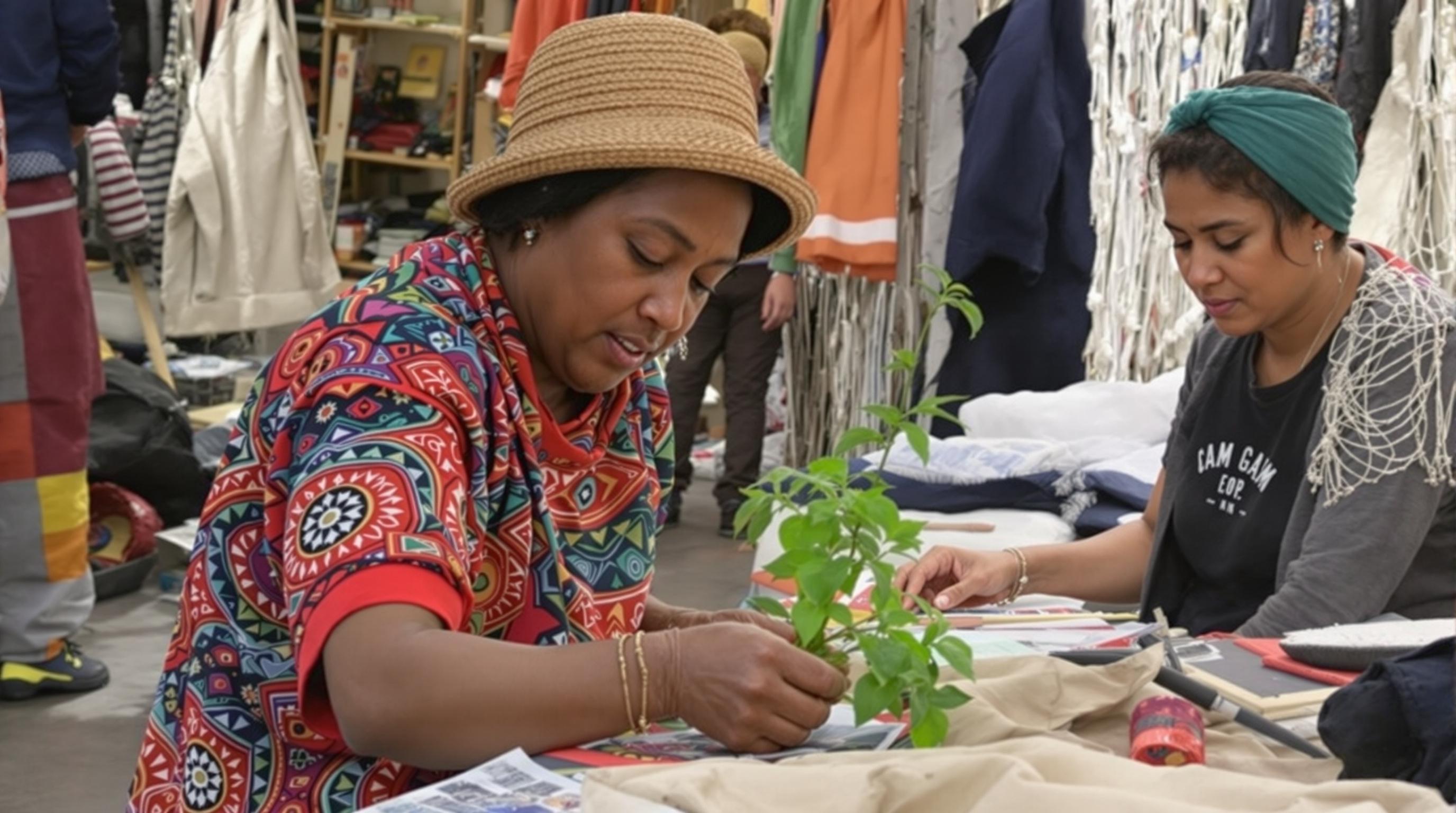
Imagine walking into a brightly colored marketplace, the air thick with the scent of spices and the melodic hum of artisans at work. Each stall, vibrant with textiles rich in history, tells a story of culture, sustainability, and a profound reverence for the natural world. Ancient techniques of textile creation, passed down through generations, often involve local materials, eco-friendly dyeing methods, and a deep understanding of the surrounding environment.
According to a study by the Global Fashion Agenda, if the apparel industry continues on its current trajectory, we are expected to produce 102 million tons of clothing by 2030 (Global Fashion Agenda, 2017). This statistic is alarming and illustrates a dire need for change. It raises the question: how can we pivot from fast fashion's destructive patterns to a model that honors both the planet and cultural heritage?
Indigenous Techniques: More than Just Craftsmanship
The indigenous methods of textile creation aren’t merely about aesthetics; they embody a philosophy of sustainability rooted in respect for nature. For instance, the traditional practice of ikat weaving in Indonesia requires the dyer to tie dye specific sections of the fabric before weaving, creating a pattern that resembles a water ripple. The result is not just visually stunning; it holds a cultural significance that connects the weaver to their community and history.
Case Study: The Revival of Andean Textiles
Take a look at the Andean highlands of Peru, where communities have revived ancient dyeing techniques that use local plants like cochineal and indigo. A project known as “Weaving the Change” has helped sustain indigenous jobs while educating artisans on eco-friendly methods. As a result, eco-conscious brands now work with these artisans, contributing to a market that appreciates unique, handcrafted textiles while supporting local economies.
Statistics that Speak Volumes
Did you know that 92 million tons of textile waste is produced globally every year? It’s staggering and represents just one side of the issue (World Bank, 2021). With statistics like these in mind, reviving ancient techniques becomes more than a cultural endeavor; it’s an environmental necessity!
The Educational Aspect: Learning from the Ancients
As we dig deeper into these practices, the educational opportunities are vast. Workshops led by indigenous artisans foster not only skill but a deep acknowledgment of cultural narratives. For example, the non-profit organization “Threads of Change” offers classes that immerse participants in traditional dyeing methods while discussing their environmental impact. Attendees leave with more than just skills—they carry a renewed sense of purpose in sustainable fashion.
The Power of Storytelling
What if every piece of clothing you bought came with a story? Imagine zeroing in on that beautiful scarf, layered with intricate patterns. You find out it was crafted by a group of women in rural India who used natural dyes made from pomegranate peels and turmeric roots, all while preserving their cultural significance. Surrounded by history, this clothing piece becomes an artifact—a bridge between the old and the new.
Prominent Brands Championing These Ideas
Fashion brands like Patagonia and Eileen Fisher have started to invest in preservation efforts and integrate indigenous techniques into their collections. These brands are not just aiming to reduce their carbon footprint; they’re deeply committed to ethical supply chains. For instance, Patagonia has launched initiatives that support indigenous artisans, including a recently developed line featuring handwoven textiles from Bolivia. The success of these initiatives emphasizes a profitable yet sustainable model for business.
From Tradition to Trend
It’s a beautiful irony that subversive movements often emerge from the most traditional practices. With many influencers and fashion-forward individuals celebrating vintage styles and artisanal techniques, the demand for ancient textiles is experiencing a renaissance. Even major fashion weeks are showcasing collections made with indigenous textiles, affirming that fashion can be both modern and historic.
The Environmental Benefits: A Greener Tomorrow
By tapping into ancient textile techniques, we can drastically reduce our environmental impact. Primitive dye processes use less water and energy compared to synthetic alternatives. For example, natural dyeing, which was primarily relegated to the past, requires about 60% less water than modern dye methods (TexEco, 2020). Implementing such techniques could lead to significant reductions in pollution and waste.
A Personal Touch: The Journey of a 25-Year-Old Artisan
Meet Maya, a 25-year-old artisan, who grew up in a small village in Guatemala. Following her family's heritage, she learned how to weave using ancient techniques. “For me, weaving is a way to talk to my ancestors,” she shares. Maya now leads a workshop that not only teaches weaving but empowers young women in her community to earn a living while preserving their cultural heritage. Stories like hers make plain the considerable social benefit that lies behind these methods.
Challenges Ahead: The Hurdles of Reviving Ancient Practices
Of course, reviving ancient practices is not without its challenges. There is a risk of cultural appropriation when fashion brands adopt indigenous techniques without engaging with the communities—this is an important conversation to continue. Authenticity must remain at the heart of these initiatives. By fostering partnerships with indigenous artisans rather than exploiting their skills, brands show respect for invaluable traditions.
The Fashion Revolution: A Call to Action
As consumers, we hold the power to influence market trends through our spending habits. By seeking out brands that respect and integrate indigenous textiles, we are effectively voting for a sustainable future. Furthermore, social media can amplify this message, creating a broader conversation. #FashionRevolution is not just a hashtag; it’s a movement inviting everyone to look beyond the glitzy surface of fashion and to examine its roots.
Wrap-Up: Weaving a Greener Future
In honoring ancient textiles and indigenous techniques, we are not only promoting sustainability but also preserving stories and cultures. As we move forward, the blend of history with modernity can inspire new ideas for a greener tomorrow. So, the next time you shop, consider not just what’s trending but also what has stood the test of time.
Ultimately, the hidden histories of textiles remind us of how interconnected we are with our past and the environment. With each fabric we choose, we can weave sustainability back into the modern tapestry of fashion. The threads of history, sustainability, and culture are waiting to be revived—let’s embrace them!
Read More