Related Articles
- Fashion's Second Skin: The Underbelly of Wearable Tech and Its Surprising Roots in Previous Iconic Styles
- Shadows of Style: The Controversial Anti-Fashion Movements That Shook the Industry from Within
- Silent Statements: The Impact of Minimalism in Fashion's Most Overlooked Decades
- Distorted Reflections: The Role of AI in Shaping Fashion Perceptions and Consumer Trust in 2023
- Dressing the Future: How AI-Generated Designs Could Revolutionize Creativity and Profitability in Fashion
- The Art of Unfashion: How Anti-Fashion Movements are Reshaping Consumer Expectations and Market Strategies
The Psychological Wardrobe: How Minimalism and Mental Health Influence Eco-Conscious Fashion Choices
The Psychological Wardrobe: How Minimalism and Mental Health Influence Eco-Conscious Fashion Choices
The intersection of minimalism, mental health, and eco-conscious fashion reveals significant insights into how our clothing choices affect not only our lives but also the planet. This article will explore the psychological implications of a minimalist wardrobe, the connection between mental health and fashion, and the vital role of eco-friendliness in shaping sustainable choices.
Understanding Minimalism
Minimalism is often misunderstood as merely an aesthetic choice—clean lines, monochrome outfits, and decluttered spaces. However, it’s much more than that; it's a lifestyle philosophy rooted in the concept that less is more. According to a survey by The Minimalists, 93% of people felt an increased sense of happiness and peace after decluttering their lives. When applied to our wardrobes, minimalism incentivizes individuals to deeply consider their clothing choices.
The Emotional Weight of Excess
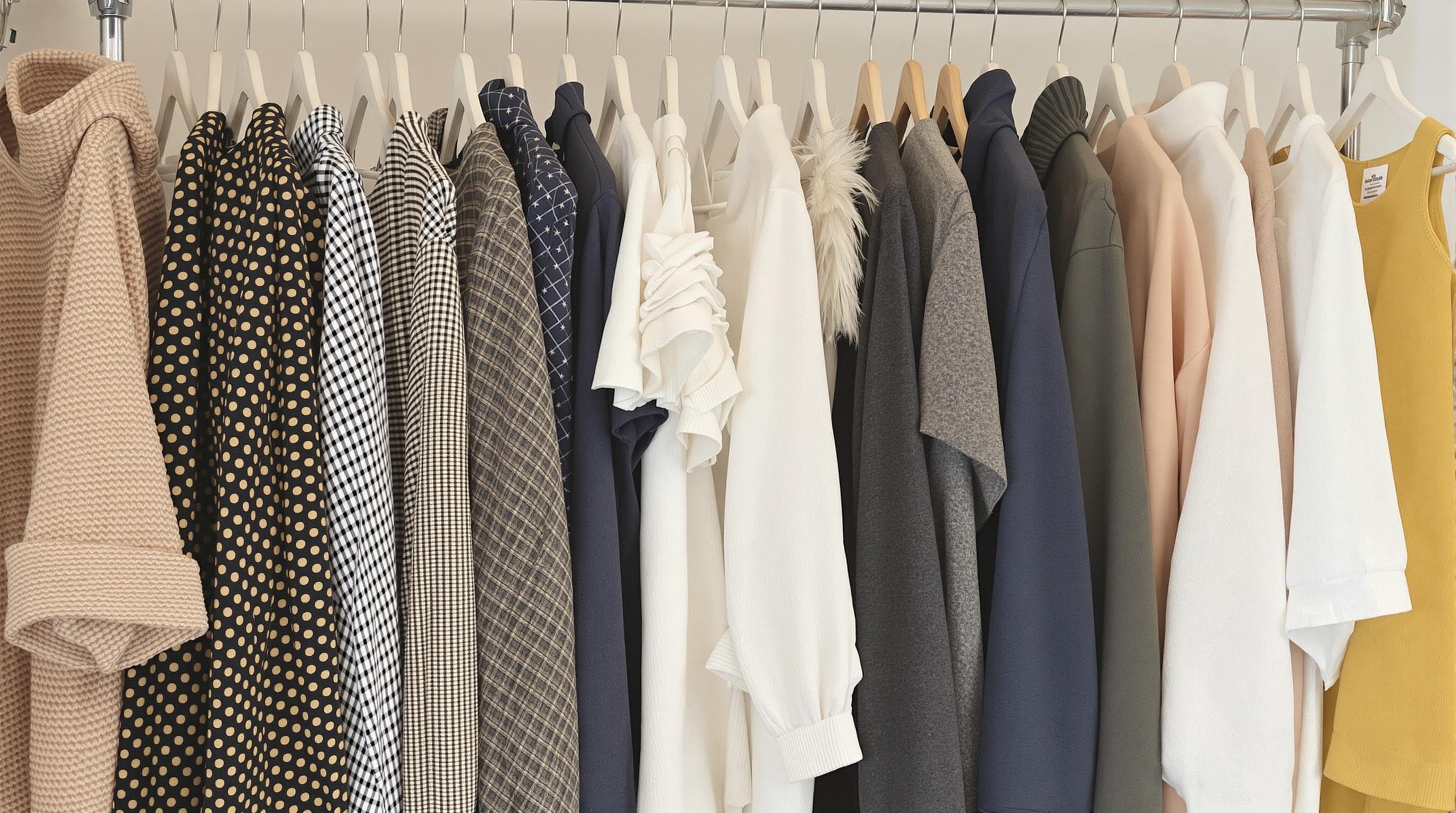
Think about your closet right now: is it overstuffed with garments you rarely wear? You aren’t alone. In fact, studies show that the average person wears only 20% of their wardrobe regularly (Source: Lyst). Every time you sift through clothes, each piece carries emotional baggage—memories, aspirations, regrets. A study by UCLA found that, for many, a disorganized closet can lead to stress and anxiety. Thus, adopting a minimalist approach can lessen that emotional burden.
The Mind and the Closet
James Clear, author of "Atomic Habits," argues that our environment significantly influences our mental state. Consider your closet as a reflection of your mind: cluttered, overwhelming, or organized and calm. A minimalist wardrobe fosters a sense of control and order that promotes mental well-being. The act of curating can be liberating; it invites mindfulness into our lives, reducing anxiety and enhancing creativity.
Fashion as a Form of Expression
Fashion isn’t merely about keeping up with trends; it’s a form of self-expression. As consumers today are increasingly aware of the psychological effects of their choices, brands are catering to this shift. For instance, Everlane promotes “radical transparency,” showcasing the true cost of clothing production while guiding consumers to make informed choices. This links eco-conscious fashion directly with mental health, demonstrating that ethical manufacturing can lead to emotional satisfaction in consumers.
A Personal Story of Transformation
Let me take you on a brief journey of my friend Sarah, who transformed her life through minimalism and sustainable fashion. In her mid-20s, Sarah was overwhelmed with fast fashion purchases that left her feeling unfulfilled and anxious every morning as she fought to pick an outfit. After rummaging through her closet and donating what no longer served her, Sarah adopted a “capsule wardrobe” approach. By selecting versatile pieces that complemented each other, she discovered a newfound ease in getting dressed, leading to greater confidence. Furthermore, she felt proud to support eco-friendly brands like Reformation, which offer stylish options while maintaining sustainable practices.
Statistics and Sustainable Fashion
Did you know that the fashion industry is responsible for 10% of global carbon emissions? According to the UN, it is one of the largest polluters in the world. Acknowledging these facts often drives individuals, especially younger generations, to seek sustainable options to align their clothing choices with their values. The rise of thrift shopping and clothing swaps is evident, reflecting a cultural shift toward eco-conscious behavior.
The Psychological Benefits of Sustainable Choices
Mental health advocates emphasize the importance of aligning actions with values. When individuals select clothing produced under ethical guidelines, they experience moral satisfaction that can alleviate feelings of disconnection and anxiety. This phenomenon is sometimes referred to as "consumer ethics." According to a 2020 study from The Journal of Consumer Research, individuals who prioritize eco-conscious purchases frequently report higher life satisfaction and lower levels of anxiety.
Creating Your Eco-Conscious Wardrobe
Building a minimal yet stylish wardrobe doesn’t have to be daunting. Start by evaluating your current collection. Follow this process:
1. **Declutter**: Remove anything that you haven’t worn in the past year.
2. **Invest**: Choose high-quality, sustainable pieces over fast fashion. Brands like Patagonia and Eileen Fisher focus on durable materials.
3. **Mix and Match**: Create outfits that maximize versatility.
4. **Thrift**: Don’t forget second-hand shopping! It's eco-friendly and often budget-friendly.
5. **Be Mindful**: Each time you make a purchase, reflect on your motivations and the garment’s sustainability.
The Role of Social Media
In an era dominated by social media, platforms like Instagram and Pinterest serve as sources of inspiration for minimalist and eco-conscious fashion. Influencers are shifting their focus from glorifying consumption to promoting thoughtful purchasing. For example, slow fashion advocates on these platforms showcase capsule wardrobes, sharing tips on styling and sustainable brands. Does following these lifestyles impact your decisions? Surprisingly, research from the Global Web Index found that 30% of millennials consider social media influences their shopping habits, pushing them toward mindful consumption.
The Humorous Side of Modern Fashion
Now, let’s take a moment to embrace the humor of our fashion choices. Remember that time you bought a trendy shirt that you thought would reignite your social life, only to have it take permanent residence in your closet? We’ve all been there. It’s like the tragic romance of garments and humans—unsustainable love stories. Fashion should be fun, and understanding the psychology of our choices can help us make better, more laughable decisions rather than frequent regrettable ones!
Fashion as Therapy
Surprisingly, fashion therapy is gaining traction. This therapeutic approach combines counseling with wardrobe consultations. According to the International Journal of Fashion Studies, engaging with personal style can stimulate positive feelings and self-esteem. It's like a therapy session that takes place in your closet! By focusing on what's essential and what resonates most with who you are, you curate a wardrobe that reflects your authentic self—a living piece of art.
Community Impact and Collective Responsibility
Adopting a minimal and sustainable wardrobe reflects not only personal well-being but a collective consciousness. The fashion industry’s environmental impact can often feel overwhelming, leading to a sense of helplessness among consumers. However, participating in community initiatives like clothing swaps and supporting local eco-friendly artisans can spark change. When we come together as a community, we not only inspire others to make different choices but also amplify our impact. Remember, as the saying goes, “be the change you wish to see in the world.”
Closing Thoughts
Navigating the psychological landscape of our wardrobes can indeed influence our mental health and the planet's well-being. In essence, a commitment to minimalism and eco-consciousness opens a path toward both personal clarity and collective responsibility. So, as you step into your closet tomorrow, remember that each item you choose not only defines your style but also shapes your world.
To wrap it all up—and with a final chuckle—next time you’re too tempted by fast fashion that promises you the ‘life you dream of,’ just think of it as an ex whose text you happily ignore. Your wardrobe is worth the effort, care, and mindfulness it deserves!
Read More