Related Articles
- Fashion's Second Skin: The Underbelly of Wearable Tech and Its Surprising Roots in Previous Iconic Styles
- Shadows of Style: The Controversial Anti-Fashion Movements That Shook the Industry from Within
- Silent Statements: The Impact of Minimalism in Fashion's Most Overlooked Decades
- Distorted Reflections: The Role of AI in Shaping Fashion Perceptions and Consumer Trust in 2023
- Dressing the Future: How AI-Generated Designs Could Revolutionize Creativity and Profitability in Fashion
- The Art of Unfashion: How Anti-Fashion Movements are Reshaping Consumer Expectations and Market Strategies
The Rise of Fashion Remnants: How Waste Materials Are Inspiring Unconventional Style Innovations
The Rise of Fashion Remnants: How Waste Materials Are Inspiring Unconventional Style Innovations
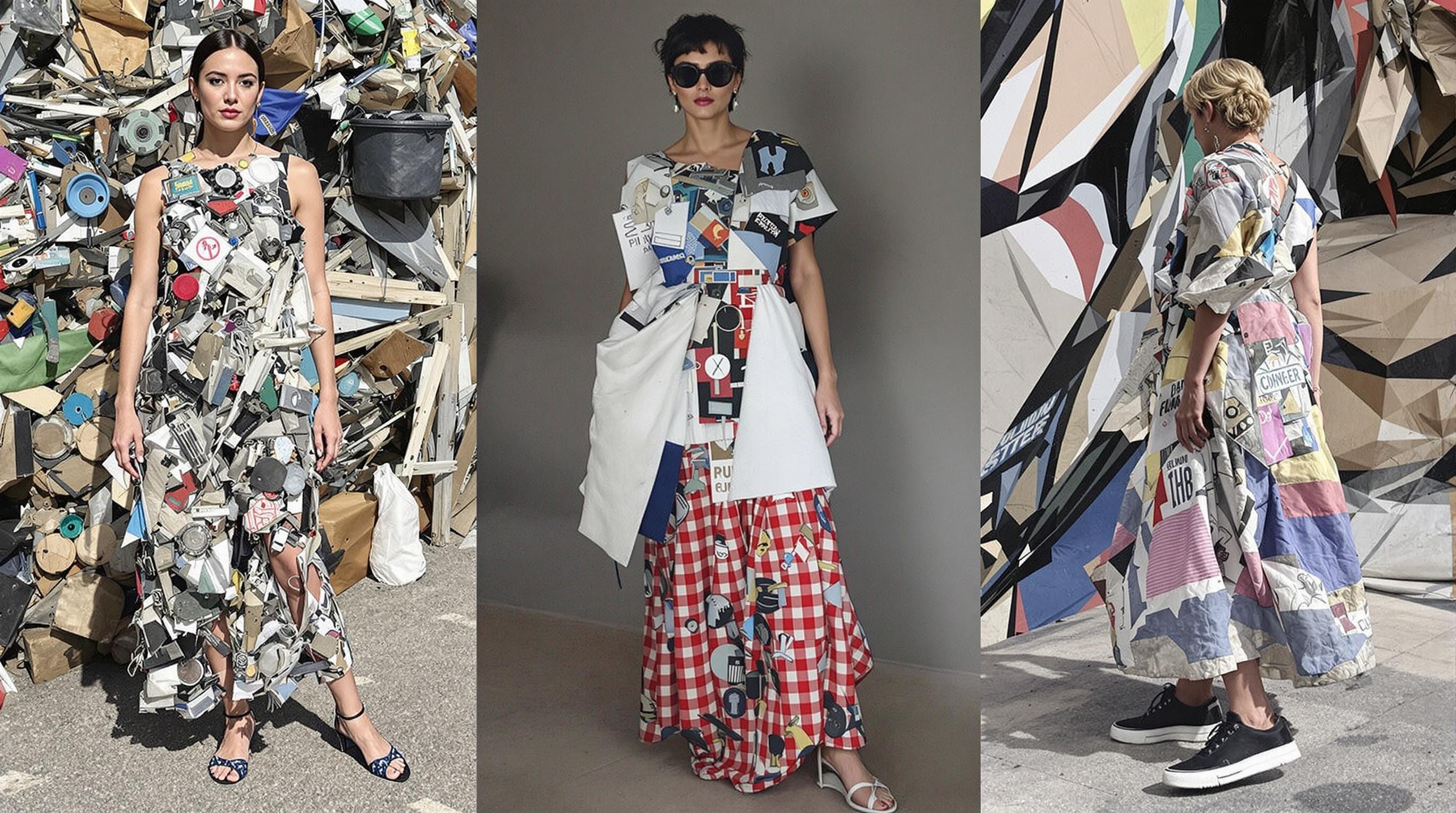
The rise of fashion remnants is reshaping the industry as designers increasingly utilize waste materials to create innovative styles. This paradigm shift not only challenges traditional fashion norms but also advocates for sustainability in an increasingly throwaway society.
From Waste to Wardrobe: A Shifting Paradigm
Did you know that the fashion industry is responsible for approximately 10% of global carbon emissions? (Fashion Revolution, 2021) This alarming statistic has spurred a wave of eco-conscious thinking among designers and consumers alike. As awareness grows about the detrimental effects of fast fashion, the concept of reusing waste materials in fashion has emerged as an innovative and sustainable alternative.
The Beauty of Unconventional Materials
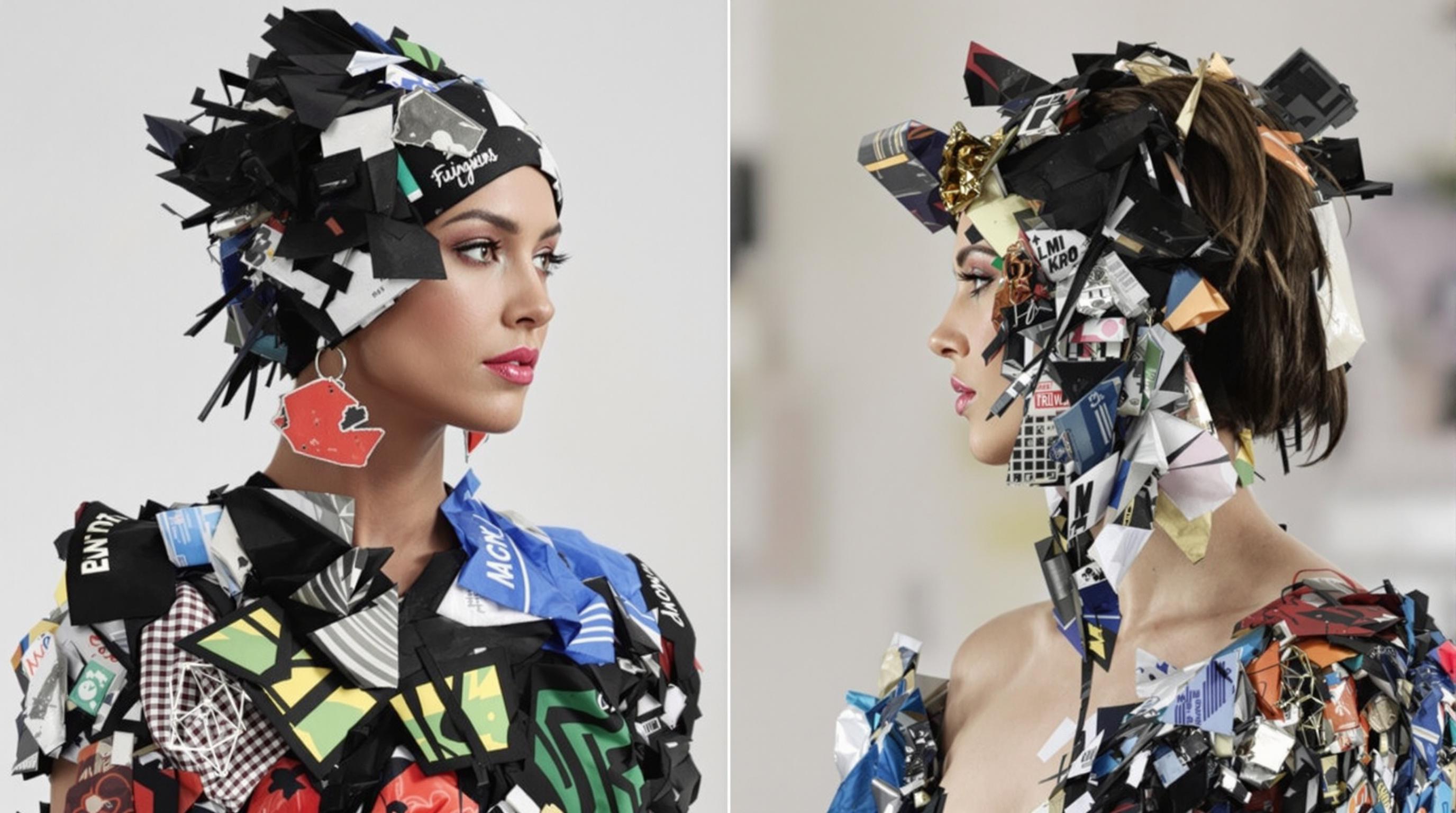
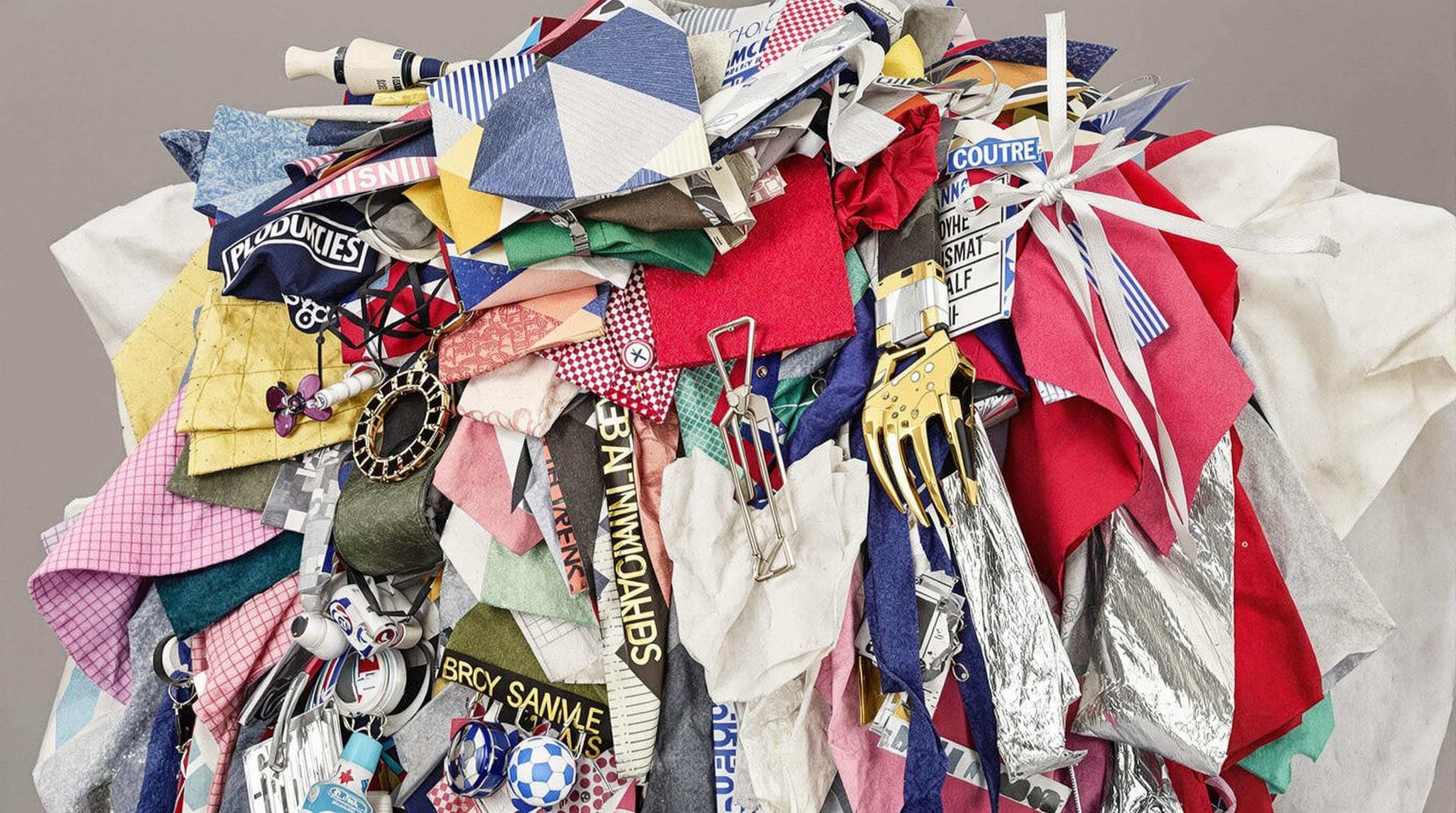
Let’s take a stroll down the runway of creativity! Imagine garments made from recycled plastic bottles, discarded textiles, or even scraps of upholstery. Designers like Celine Semaan and Priya Ahluwalia are leading the charge, using remnants from their previous collections or waste gathered from factories to create stunning, one-of-a-kind pieces. For instance, Ahluwalia’s collections often feature intricate patterns derived from the remnants of her past designs, demonstrating how waste can become a canvas for fresh creativity.
The Rise of Upcycling
Upcycling, the process of transforming waste materials into new products, has emerged as a pivotal method within the fashion realm. According to a report by the Ellen MacArthur Foundation (2020), shifting to a circular fashion economy could save us $192 billion. Independent brands, such as Re/Done and Maison Margiela, are pioneering this trend, proudly stitching together pieces from different eras to make something new and fashionable.
A Cloth with a Story
Picture a vintage coat with patches from faded band t-shirts or a handbag fashioned from old car tires. This isn't just any fashion; it tells a story and carries a history. A personal favorite of mine is the brand “Earth Hero,” which creates stunning accessories from upcycled materials and donates part of their profits to environmental causes. We live in an age where substance matters, and pieces like these can spark conversations about sustainability and the environment. Plus, they stand out, offering a unique flair that conventional pieces simply can't match.
Statistics to Rethink Fashion Consumption
According to the World Economic Forum, the average consumer buys 60% more items of clothing than they did 15 years ago, often wearing them only a handful of times before discarding them. (World Economic Forum, 2021) This statistic sheds light on our unsustainable practices and underscores the need for change. Choosing to invest in quality pieces made from remnants isn’t just eco-friendly; it’s a trend that promotes longevity over a fleeting fashion cycle.
A Blend of Tradition and Innovation
Fashion is often a reflection of society's values. By incorporating waste into designs, brands are not only combating the waste problem but also creating a narrative that resonates with the audience. Andrew Morgan’s documentary “The True Cost” explores the hidden side of fashion, revealing the grave implications of our obsession with consumption. Those dedicated to redefining the framework of fashion often cite changing perceptions of waste as a key motivator for their work.
Your Wardrobe’s Evolution
Now, let’s talk practicalities. The beauty behind embracing remnants and upcycled fashion lies not only in its sustainability but also in the distinctiveness it adds to your wardrobe. You won't find an off-the-rack Macy's dress that perfectly encapsulates your personality—the quirky patterns, textures, and designs in remnant clothing create pieces that replace cookie-cutter fashion. Next time you’re shopping, consider thrifting or visiting local boutiques that focus on sustainability. It’s a win-win: you get a unique addition to your wardrobe while supporting the planet!
Becoming a Conscious Consumer
The shift from traditional fashion to a more sustainable model requires a collective effort. As consumers, we hold immense power, capable of driving change by supporting brands and designers committed to eco-friendly practices. Brands like Stella McCartney have set the tone, proving that it’s possible to create luxurious garments without compromising ethical standards.
The Fashion Remnants Revolution: A Future Perspective
As we look to the future, the role of technology in sustainable fashion can't be ignored. Innovations such as 3D printing, digital design, and artificial intelligence are leading the way in creating garments from fully sustainable prototypes, reducing the reliance on waste. Companies like Adidas are pioneering the use of ocean plastics in their footwear, aiming to create a circular product cycle. Statista reported that nearly 80% of consumers are concerned about the environmental impact of their purchases, signaling a shift in consumer sentiment (Statista, 2021). The fashion remnants revolution is not just a trend; it's the future.
A Moment in History
In the heart of London, a pop-up shop opened its doors, showcasing garments created entirely from remnant materials, attracting crowds eager for a taste of sustainable fashion. This wasn’t just a sales pitch; it was a movement. Graffiti artists were commissioned to decorate the shop walls with messages about waste and sustainability, encouraging participants to engage in discussions about environmental responsibility. This blending of art, design, and fashion embodies the spirit of what the future holds for style enthusiasts everywhere.
The Joy of Customization
In a world increasingly craving individuality, the space for customization within sustainable fashion has blossomed. Sites like Etsy enable creatives to sell their vision, turning waste materials into customizable treasures that speak to personal styles. Imagine having a jacket designed from jeans you no longer wear—how’s that for a fashion statement? Not only does it positively impact the environment, but it also allows for personal storytelling through fashion.
Conclusion: A Call to Action
As fashion evolves, we are called to rethink our consumption habits and the legacy we leave behind. With each piece of clothing we choose to wear, we shape not just our identity but also the culture and environment around us. The rise of fashion remnants is more than a superficial trend; it’s a profound shift towards responsibility, sustainability, and creativity. So what will your wardrobe look like? Choose wisely, become a conscious consumer, and champion the change towards a more sustainable fashion world!
By embracing fashion remnants, we open our closets to endless creative possibilities. So let’s take this journey together—step by step, stitch by stitch. Whether you’re a seasoned fashionista or just starting on your style journey, there’s something special in remnant fashion waiting just for you.
Read More