Related Articles
- Fashion's Second Skin: The Underbelly of Wearable Tech and Its Surprising Roots in Previous Iconic Styles
- Shadows of Style: The Controversial Anti-Fashion Movements That Shook the Industry from Within
- Silent Statements: The Impact of Minimalism in Fashion's Most Overlooked Decades
- Distorted Reflections: The Role of AI in Shaping Fashion Perceptions and Consumer Trust in 2023
- Dressing the Future: How AI-Generated Designs Could Revolutionize Creativity and Profitability in Fashion
- The Art of Unfashion: How Anti-Fashion Movements are Reshaping Consumer Expectations and Market Strategies
Beyond Nature: The Hidden Influence of Microbial Textiles on Circular Fashion Practices and Eco-Conscious Design
Beyond Nature: The Hidden Influence of Microbial Textiles on Circular Fashion Practices and Eco-Conscious Design
As the fashion industry grapples with the urgent need for sustainability, microbial textiles emerge as a groundbreaking solution that intertwines ecological consciousness with innovative design. This article explores how these bio-based materials are reshaping circular fashion practices and the essential role they play in eco-conscious design.
The Science of Microbial Textiles
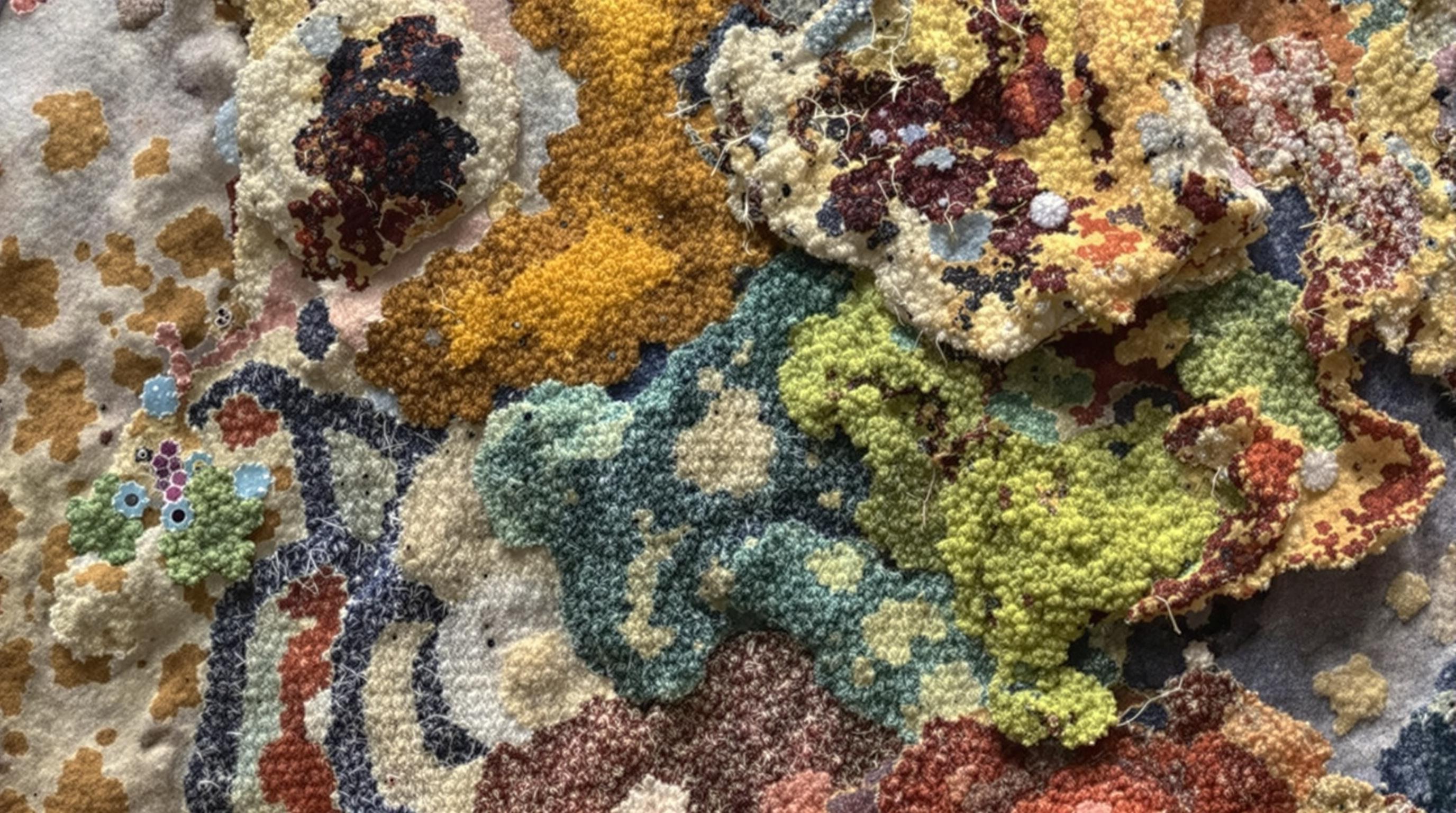
Microbial textiles, created through the cultivation of microorganisms like bacteria and fungi, are not just a fashion fad; they are a scientific marvel that can revolutionize how fabrics are produced. According to the Ellen MacArthur Foundation, the fashion industry contributes to 10% of global carbon emissions (Ellen MacArthur Foundation, 2017). The shift towards microbial textiles could significantly reduce this impact.
A New Fabric Made from Old Friends
Have you ever considered that your next favorite shirt could be grown instead of woven? Enter Mylo, a sustainable leather alternative created from mycelium, the underground root system of fungi. Not only is Mylo compostable, but it also grows rapidly, needing only a fraction of the resources used for traditional leather. Over the next few years, large brands like Stella McCartney and Adidas are integrating Mylo into their collections, paving the way for mainstream acceptance.
Death by Fast Fashion
Let's face it: fast fashion is like that friend who just can’t take a hint. According to Fashion Revolution, worldwide clothing production doubled between 2000 and 2014, and most items are discarded after just a few uses (Fashion Revolution, 2021). In stark contrast, microbial textiles can transform this cycle from one of waste to one of regenerative practices. Imagine a world where fabrics can decompose and nourish the soil instead of languishing in landfills!
Case Study: The Future in Fabrics
Consider the ambitious efforts of Atlast Food Co, which has garnered attention for pioneering mycelium-based textiles for the fashion industry. Their commitment to creating a wholly organic product offers insight into the potential of microbial engineering. Their technology could provide solutions not only to address waste but to create a fabric that is fully bio-based, effectively closing the loop in transformational circular fashion practices.
The Environmental Impact
In an age where eco-consciousness is paramount, the environmental benefits of microbial textiles cannot be overstated. For example, producing conventional cotton uses over 7,000 liters of water to create just one T-shirt! In contrast, certain microbial processes use significantly less water and energy. With this drastic improvement, it’s clear where industries should pivot.
Yet, Skepticism Lingers
As incredible as microbial textiles are, some skeptics argue that the transition isn't entirely seamless. Some point to potential consumer reluctance to embrace garments that don’t have the feel or look of traditional textiles. Will a mycelium jacket be as chic as a leather one? Well, the latest designs by companies like Bolt Threads suggest otherwise— the only thing striking is your wallet when you choose sustainable options, but the quality is extravagant!
Creating a Microbial Future
Let’s look to the future. If we integrate these innovative materials into our clothing lines, we could catalyze a shift in consumer behavior toward sustainable purchase practices. According to McKinsey, businesses committed to stitching sustainability into their very fabric could see consumer loyalty increase by up to 70% (McKinsey, 2022). This opens up a whole new frontier for designers: creative freedom alongside responsibility.
The Customer is Always Right
Pondering the customer’s role in sustainability, it becomes evident that consciousness is an important factor. While some may argue that fashion should simply be fun, increased awareness and demand for sustainable products can indeed reshape industry trends. Millennials and Gen-Z consumers already prioritize ethical purchasing— why not offer them beautiful, microbial textiles to choose from?
Breaking the Mold — Literally!
Don’t worry; nobody is talking about wearing moldy shirts here! Modern advances have given rise to aesthetically pleasing microbial textiles that appeal even to the most traditional fashionistas. Stressing the need for creatively designed, environmentally friendly clothes can elevate the conversation around circular fashion. Imagine a top crafted from vegan mycelium or a dress adorned with algae dyes; mind-blowing, right?
Fashion Meets Biology: A Match Made in Heaven
Layering biology into fashion practices could lead to the creation of materials that not only look good but serve as living systems. For instance, considering an outfit that minimizes pollution and provides fibers that can genuinely renew environmental ecosystems is not just hypothetical. The challenge lies in optimizing these production methods at scale, ensuring both affordability and accessibility to diverse markets.
The Circular Economy—More Than Just a Buzzword
The term “circular economy” has been thrown around a lot— but what does it mean in contexts like clothing and textiles? Simply put, it signifies a system designed to eliminate waste through the continual use of resources. Microbial textiles offer an exciting solution, converting organic and biodegradable materials into high-quality fabrics that can be reused, recycled, or composted. The end goal? A zero-waste, closed-loop fashion system!
Social Responsibility: A Stitch in Time
Beyond reducing environmental impact, there's a social narrative woven into the concept of microbial textiles. By embracing these sustainable practices, brands can champion fair labor practices, responsible sourcing, and possibly elevate impoverished communities involved in bio-fabric cultivation. Case studies like that of Fashion for Good showcase how fostering innovation in sustainable textiles can drive ethical labor practices while creating fashion that’s both eco-friendly and desirable.
Will Fashion Revolutionize or Sustain? You Decide!
With an ever-changing landscape, it’s hard to predict how fast sustainable practices will take root among legacy fashion brands. One thing is for sure: if we give microbial textiles the platform they deserve, the rise of circular fashion could reclaim control of the industry from fast fashion's suffocating grasp. Some may still be skeptical, but persuasive evidence urges a shift toward eco-conscious designs, ensuring that fashion can indeed become a catalyst for environmental stewardship.
The Takeaway — A Sustainable Wardrobe Awaits
In conclusion, microbial textiles represent not only an opportunity but a call to action. Every time one of us chooses sustainable clothes, we’re voting for a cleaner planet and a more responsible industry. The future of fashion doesn’t just lie in the hands of designers but in the choices we make as consumers. Let’s cultivate this change, one bacterial weave at a time!
Read More