Related Articles
- Fashion's Second Skin: The Underbelly of Wearable Tech and Its Surprising Roots in Previous Iconic Styles
- Shadows of Style: The Controversial Anti-Fashion Movements That Shook the Industry from Within
- Silent Statements: The Impact of Minimalism in Fashion's Most Overlooked Decades
- Distorted Reflections: The Role of AI in Shaping Fashion Perceptions and Consumer Trust in 2023
- Dressing the Future: How AI-Generated Designs Could Revolutionize Creativity and Profitability in Fashion
- The Art of Unfashion: How Anti-Fashion Movements are Reshaping Consumer Expectations and Market Strategies
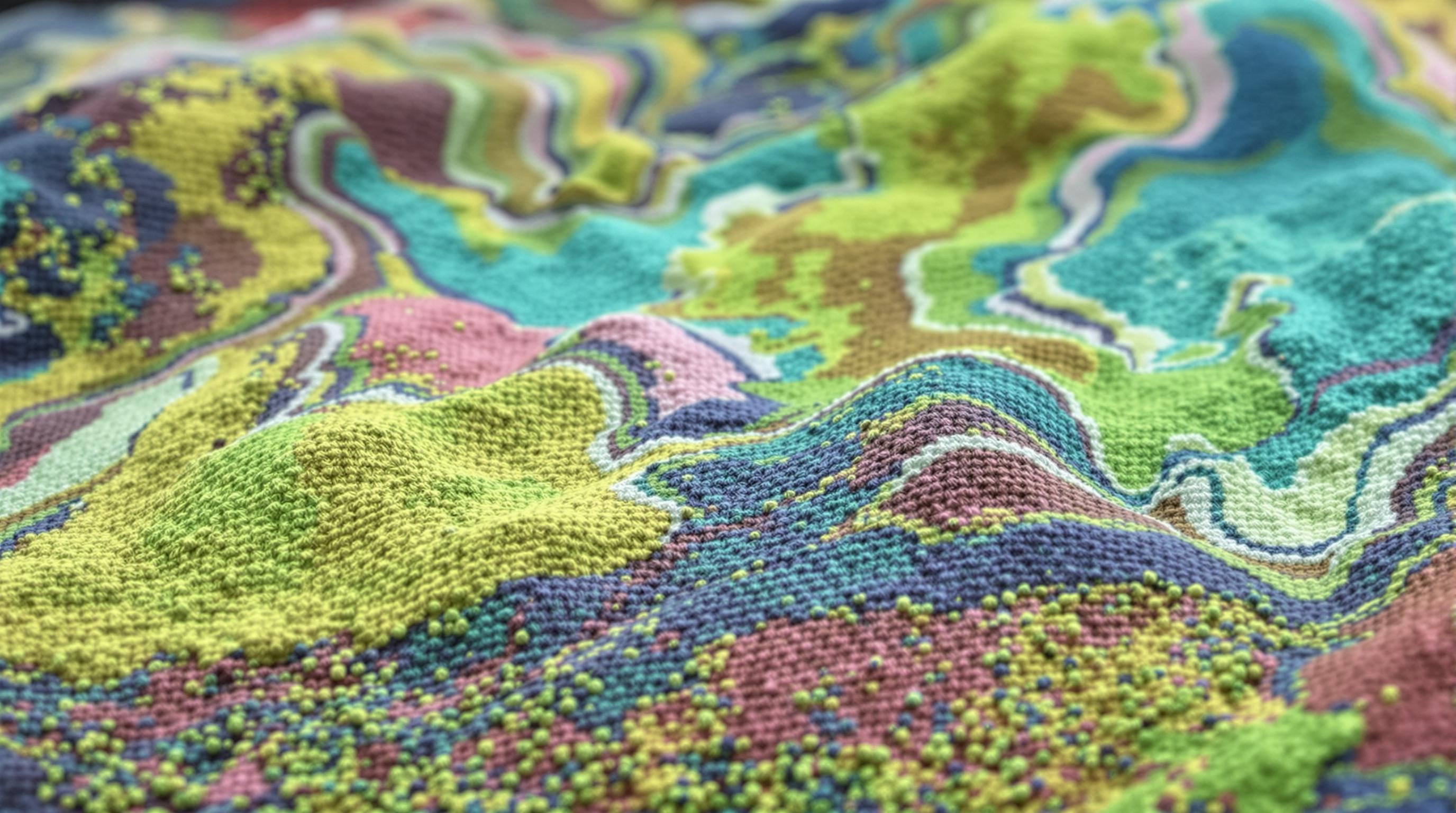
Fabric Futures: Investigating the Role of Microbial Processes in Next-Gen Textile Manufacturing
Fabric Futures: Investigating the Role of Microbial Processes in Next-Gen Textile Manufacturing
As we venture into the era of sustainability, it's clear microbial processes will reshape how textiles are produced, woven from nature's creativity into our everyday lives. This article explores the transformative role of microorganisms in textile manufacturing, presenting innovative methods, case studies, and the potential for a greener future in an industry notorious for its environmental impact.
Understanding Microbial Processes
Microbial processes involve the natural activities of microbes—bacteria, fungi, and algae—that can break down materials and transform them into useful products, according to a study by Van Der Meer et al. (2021). These tiny, often unseen organisms can revolutionize textile production by reducing reliance on harmful chemicals and energy-intensive processes.
The Textile Industry: A Snapshot
Did you know that the fashion industry is responsible for 10% of global carbon emissions and 20% of wastewater? That’s right; the current fashion system is a one-way street, leading us to a bleak environmental future. But fear not! Innovations in microbial technologies promise to pave a new, greener path.
From Waste to Fabric: The Power of Mycelium
One exciting development in this field is the use of mycelium, the root structure of mushrooms, to create leather-like materials that are biodegradable and sustainable. Companies like MycoWorks have harnessed mycelium's natural growth patterns to produce products that not only decompose quickly but also require minimal resources for production.
Enzymatic Dyeing Techniques
Consider this: traditional dyeing processes often use toxic chemicals, but enzymatic dyeing offers an alternative that is kinder to the environment. Researchers have discovered that specific enzymes can facilitate the dyeing process without the harmful chemicals. In fact, a study by Gupta et al. (2020) found that enzymatic dyeing can reduce water usage by up to 60% and significantly decrease the release of toxic effluents into waterways.
Case Study: BioFabricate
Let’s jump into the future with BioFabricate, a yearly symposium that brings together visionaries in fashion and biotechnology. One standout example featured at the event was the collaboration between designer Stella McCartney and biotech firm Bolt Threads. They showcased an innovative process using engineered yeast to create a silk-like material called Mylo, made from mycelium—talk about a fashion-forward idea!
The Economic Viability of Microbial Textiles
While some skeptics question the economic viability of integrating these new technologies into textile manufacturing, the facts paint a different picture. According to a report by the World Economic Forum, transitioning to sustainable textile processes could yield a staggering $1 trillion economic opportunity by 2030. It’s not just about being eco-friendly; it’s about seizing the moment.
The Great Circular Economy
In today's age, sustainability isn't just a trend; it’s a necessity. The circular economy—where products are designed for reuse rather than disposal—is gaining momentum in the textile industry. Imagine a world where your old T-shirt doesn't end up in a landfill, but rather is returned to the supply chain, with the fibers repurposed into new fabrics, thanks to microbial processes. Sounds dreamy, right?
Humor Meets Innovation
Picture this: you’re at a party, and someone asks what you do. You respond, “I work with microbes to create sustainable fabrics,” and suddenly everyone thinks you’re a wizard! While it may sound like a joke, the science behind it is real and rapidly evolving. Who knew you could become the life of the party by simply being eco-conscious?
Barriers and Challenges
Despite the dazzling prospects, the road to widespread adoption of microbial textile processes is not without its hurdles. Short-term costs, consumer education, and scalability are significant challenges. The notion of microbial textiles might still conjure images of moldy clothes for some, but with the right marketing and education, these innovations can easily enter the mainstream.
Spotlight on Algae
Algae, often dismissed as pesky pond life, is a rising star in the textile world. Algae’s fast growth rate and biodegradability make it an ideal candidate for sustainable textiles. Companies like Algiknit are working on creating yarn made from algae, which could lead to fabrics that grow back after being worn out—sustainable fashion that literally grows on you!
The Call for Consumer Power
We, the consumers, have a unique power. By choosing to support brands that prioritize sustainability and innovation, we can drive change in the textile industry. It’s like voting at the polls—your purchasing decisions send a clear message to manufacturers about which practices deserve to thrive.
Education as a Foundation
For a truly sustainable future, we must first educate ourselves and others about the potential of microbial processes in textile manufacturing. Engaging workshops, creative social media campaigns, and transparent industry practices can build consumer confidence and demand for sustainable products. After all, knowledge is power—who doesn’t want to be a sustainability-savvy shopper?
A Vision for the Future
As we look forward, the future of textile manufacturing must harmonize with the planet. From the microbial underground to the creativity of designers, the possibilities are limited only by our imagination. With each passing year, microbial technologies are growing, weaving themselves into the fabric of our lives—quite literally!
Final Thoughts
In the grand tapestry of textile manufacturing, microbes are emerging as vital threads in sustainability, biotechnology, and innovation. As we embrace new processes, the potential for reducing waste, conserving resources, and encouraging responsible consumer choices is enormous. So, the next time you pull on your favorite shirt, remember: it could very well be woven with the help of nature’s smallest engineers, microbiologists and designers working hand in hand towards a better future.
To sum it all up, the microbial revolution in textile manufacturing is more than just a trend; it’s a movement that promises to act as a force for positive change in one of the world's most polluting industries. Who knew making a choice for sustainability could be so stylish? Get ready to wear the future!
Read More