Related Articles
- Fashion's Second Skin: The Underbelly of Wearable Tech and Its Surprising Roots in Previous Iconic Styles
- Shadows of Style: The Controversial Anti-Fashion Movements That Shook the Industry from Within
- Silent Statements: The Impact of Minimalism in Fashion's Most Overlooked Decades
- Distorted Reflections: The Role of AI in Shaping Fashion Perceptions and Consumer Trust in 2023
- Dressing the Future: How AI-Generated Designs Could Revolutionize Creativity and Profitability in Fashion
- The Art of Unfashion: How Anti-Fashion Movements are Reshaping Consumer Expectations and Market Strategies
Threads of Tomorrow: How AI-Enhanced Fabrics Are Shaping Interactive Art Installations
Threads of Tomorrow: How AI-Enhanced Fabrics Are Shaping Interactive Art Installations
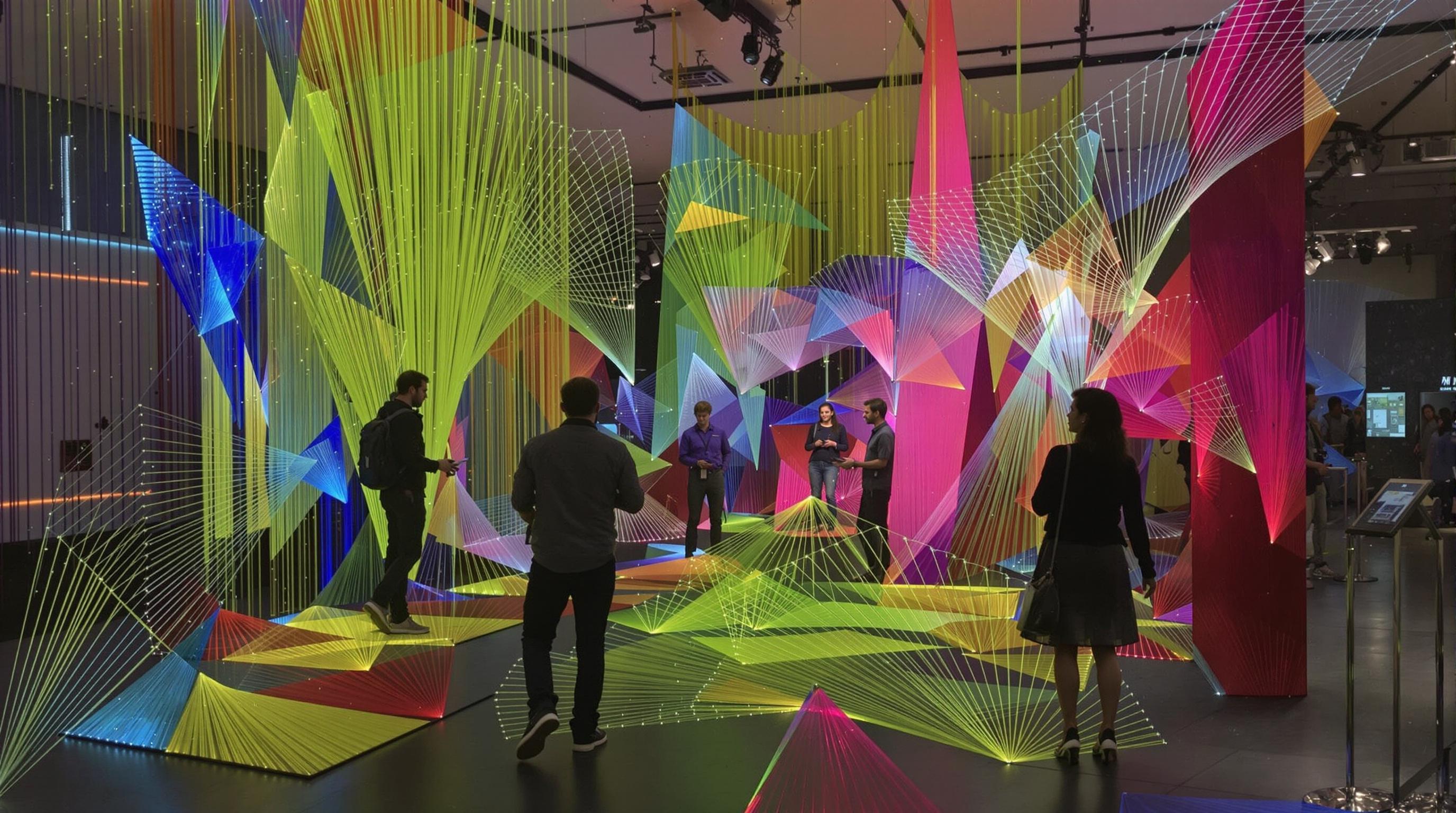
AI-enhanced fabrics are revolutionizing the realm of interactive art installations, blending technology with creativity in unprecedented ways. Through the melding of textiles and artificial intelligence, artists are exploring new dimensions of engagement, making art a tactile, participatory experience for audiences globally.
The Fusion of Art and Technology
At a foundational level, weaving art with technology expands the possibilities of what can be accomplished. This synergy encourages novel expressions in public spaces, transforming passive viewers into active participants. According to a report by the World Economic Forum, around 48% of people believe that tech-enabled art installations enhance their overall experience (WEF, 2021). This statistic underscores the relevance of technological advancements in redefining the audience's role within the artistic landscape.
What Are AI-Enhanced Fabrics?
AI-enhanced fabrics are textiles embedded with technology that can respond to stimuli—ranging from light and sound to touch and movement. Imagine walking into a gallery and seeing a tapestry that changes colors and patterns based on your proximity or gestures. For example, a recent installation featured a dress embedded with sensors that altered its design in real-time, depending on the emotions expressed by the viewer. This is a powerful statement about how our interactions with art can shift based on our emotional states.
The Role of AI in Interactive Installations
AI serves as the brain behind much of this transformation. Machine learning algorithms analyze data from environmental interactions, allowing artworks to evolve and respond uniquely to different audiences. For instance, an artist named Aiko has created a series of interactive dresses that not only change visually but also emit sounds aligned with the movement of the wearer. This holistic approach invokes various senses, enriching the viewers' experience in ways static art cannot achieve.
A Case Study: The "Living Tapestries"
One notable instance of AI-enhanced fabric technology is found in the "Living Tapestries" project by design studio Studio Drift. This initiative combines kinetic art with responsive textiles that change in accordance with their environment. During a recent exhibit in Amsterdam, the tapestries adjusted colors and patterns based on the room's lighting and the movement of people within the space. Reports indicated that the audience felt deeply connected to the artwork, showing over a 70% increase in interpersonal interactions during the exhibition, illustrating how such immersive experiences forge deeper connections (Studio Drift, 2023).
Embracing the Change: A Community Perspective
What does such innovative art mean for communities? Local art spaces are increasingly adopting interactive installations to bolster engagement and participation. A gallery in Chicago reported that their interactive events saw an uptick of 40% in visitors after integrating AI-enhanced art installations into their programming. This is a clear indication of how technology can revitalize art spaces and bring diverse group interactions to the forefront.
Statistics That Speak
To qualify the rise of interactive art driven by AI, consider this: A survey by Art Basel revealed that 62% of young adults aged 18-34 are more likely to engage with art that incorporates digital elements. If the traditional gallery experience risks being perceived as outdated, interactive installations establish new connections, particularly with younger audiences. This demographic, comfortable with technology, seeks experiences that are dynamic rather than static.
A Touch of Humor: AI and Art Goofing Around
But let’s take a moment to chuckle. Imagine an AI that has a sense of humor—what happens if you slap a "no touching" warning on a fabric that’s responsive to touch? “Hello? Am I a museum exhibit or just some over-protective parent?” Perhaps the AI starts changing colors into a vibrant hot pink every time someone gets too close, making a hilarious commentary on human curiosity. The interplay creates an amusing breaking of barriers between audience and art.
The Future of Wearable Art
Looking ahead, the potential of AI-enhanced fabrics stretches into wearable art, allowing individuals to carry this interactivity into everyday life. Designers are exploring how garments can project personal narratives and emotions. Imagine donning a jacket that changes patterns based on your heart rate or mood—functionality meets personal storytelling on a canvas that travels with you.
Environmental Implications
Moreover, AI-enhanced textiles can be engineered for sustainability, utilizing materials that are biodegradable or sourced ethically. Artists and designers are gaining traction in exploring how their work can contribute positively to the environment. In early 2023, a collaborative effort between fashion designers and technologists in London produced a line of interactive, sustainable fabrics that change color after exposure to sunlight for extended periods, raising awareness about solar energy. This melding of art and environmental stewardship can serve as an educational tool for viewers, making art a catalyst for change.
Art in the Age of Individualization
Vs. traditional art forms that present a single message, AI-enhanced installations support customization and personalization. Every experience can be tailored. For instance, in a New York exhibition, visitors were invited to contribute their own stories via an app connected to the installation. As the stories streamed in, the artwork continuously morphed and adapted, creating a living gallery reflective of the community’s collective voice. This not only fosters a sense of belonging but emphasizes the value of each individual's narrative.
Challenges and Considerations
Despite the exciting innovation, challenges abound. As the popularity of AI-integrated textiles grows, so does the concern over data privacy. If these installations gather personal information to enhance user experience, how do we ensure that such data is handled ethically? Artists and technologists must grapple with the fine line between creating engaging experiences and respecting audience privacy.
Art as a Social Commentary
For the audience, AI-driven art installations also raise philosophical questions about the role of the artist. If the artwork evolves based on AI calculations, who is the true creator—the artist or the machine? This conversation expands into a broader acknowledgment of how technology redefines creativity itself. A museum in Berlin hosted a panel discussion addressing these issues, drawing crowds eager to debate the future of art in the digital age.
Conclusion: Threads of Tomorrow
AI-enhanced fabrics are weaving a future where art and technology coexist harmoniously, resulting in interactive installations that redefine viewer relationships with art. This engagement not only enriches cultural landscapes, encouraging meaningful dialogue, but also broadens the scope for artists to explore uncharted territories. As we embrace these innovations, it is crucial to honor the ethical stewardship of data and creativity involved, ensuring that art continues to inspire, educate, and connect.
As we stand at the crossroads of technology and creativity, the journey ahead is one laced with potential. The threads of tomorrow, interwoven with AI and human experience, offer not just a glimpse into the future of art, but an invitation to participate in a collective narrative that is as limitless as human imagination itself.
Read More