Related Articles
- Fashion's Second Skin: The Underbelly of Wearable Tech and Its Surprising Roots in Previous Iconic Styles
- Shadows of Style: The Controversial Anti-Fashion Movements That Shook the Industry from Within
- Silent Statements: The Impact of Minimalism in Fashion's Most Overlooked Decades
- Distorted Reflections: The Role of AI in Shaping Fashion Perceptions and Consumer Trust in 2023
- Dressing the Future: How AI-Generated Designs Could Revolutionize Creativity and Profitability in Fashion
- The Art of Unfashion: How Anti-Fashion Movements are Reshaping Consumer Expectations and Market Strategies
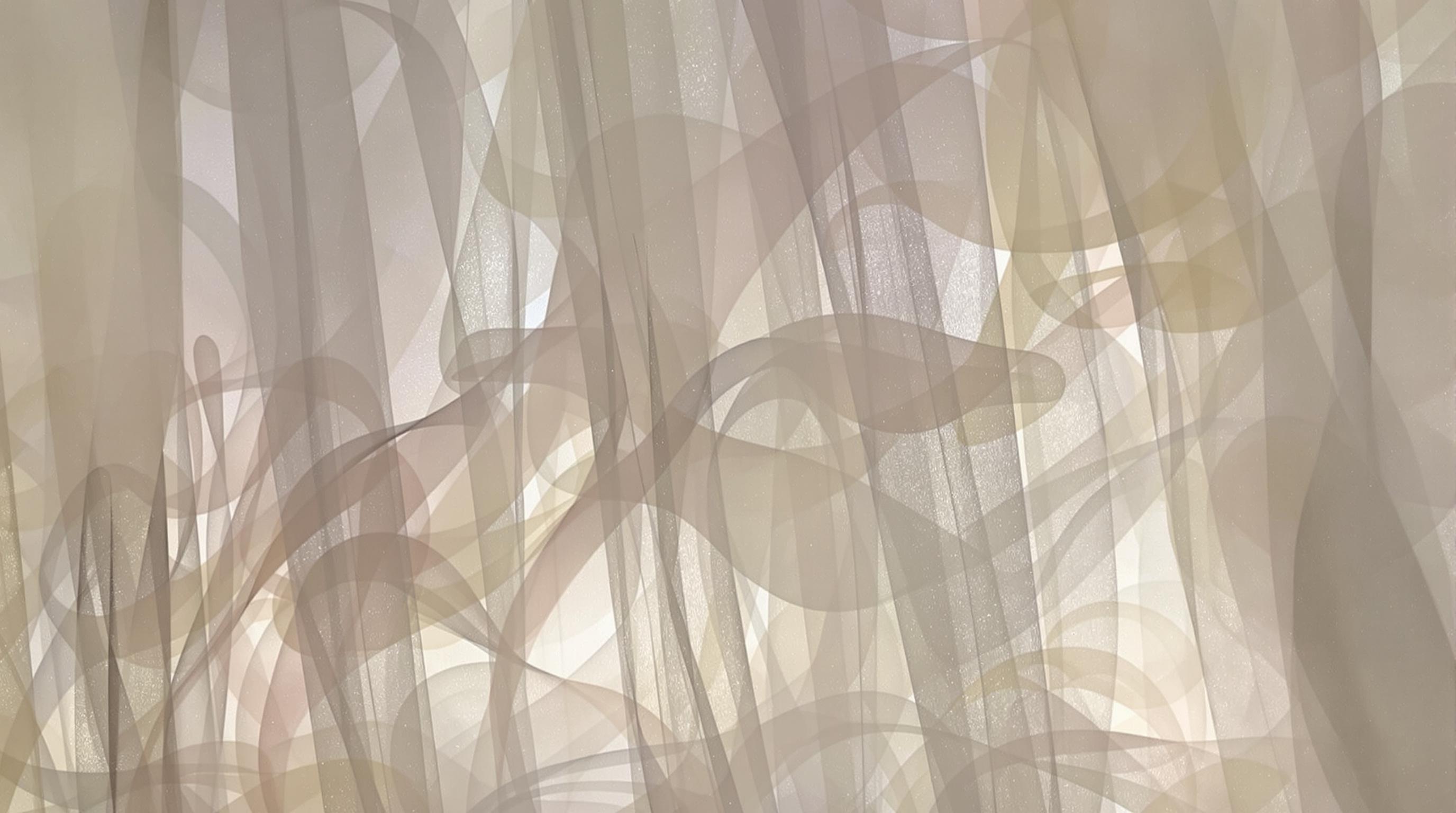
Threading the Future: How Translucent Fabrics Are Changing Light Dynamics in Architecture and Interior Design
Threading the Future: How Translucent Fabrics Are Changing Light Dynamics in Architecture and Interior Design
The future of architecture and interior design is being illuminated by translucent fabrics, which are transforming the way light interacts with our environments. This article explores how these innovative materials are shaping aesthetics, enhancing sustainability, and redefining the sensory experiences of space.
The Magic of Light
Have you ever walked into a room flooded with soft, diffuse light that made you feel relaxed and at home? That’s the power of translucency! Translucent fabrics, like those made from ethereal materials such as chiffon, muslin, or specialized polymers, have become game-changers in architecture and interior design. With their ability to filter and modulate natural light, these fabrics can dramatically transform a space’s ambiance and energy efficiency.
A Shift in Design Philosophy
As designers begin to incorporate translucent fabrics into their work, they’re moving away from harsh, artificial lighting systems towards solutions that embrace the delicate dance of natural light. A study by the 'U.S. Department of Energy' found that using natural light can reduce energy costs by up to 30% when it replaces traditional electric lighting. This philosophy embodies the essence of biophilic design, which recognizes our innate desire to connect with nature, and what better way to do that than through light?”
The Science Behind Translucency
The science of light dynamics is complex yet fascinating. Translucent fabrics interact with light in various ways, such as reflection, refraction, and diffusion, creating a tapestry of brightness that's aesthetically pleasing. For instance, when light hits a translucent material, it scatters in multiple directions, softening shadows and preventing the stark contrasts that can sometimes make spaces feel claustrophobic or overwhelming.
Case Studies: Real-World Transformations
Let’s dive into some real-world installations that showcase the transformative power of translucent fabrics. Take, for example, the 'Gherkin' in London, designed by Norman Foster. Not only is it an architectural marvel, but its use of transparent materials enhances the natural light entering office spaces, promoting a more productive and healthier work environment. Users have reported a 15% boost in productivity due to increased access to natural light throughout the day!
Innovative Approaches in Residential Design
In residential design, architects like Barbara Bestor have taken the concept of translucent divisions to new heights. Bestor’s work on the 'Silver Lake House,' for instance, features sliding translucent doors that pivot and glide, allowing natural light to pour in while providing privacy when needed. This ingenious flexibility exemplifies how translucency can enhance daily life with seamless transitions.
The Economic Impact of Translucent Fabrics
Economically, the adoption of these materials is impressive. Research conducted by the 'University of California' indicated that buildings that make good use of natural light can see decreases in HVAC costs by up to 10%. By integrating translucent fabrics into a design, the financial implications can trickle down to both developers and homeowners alike, leading to cost-effective “green” solutions.
A Gentle Call to Action
Let’s face it; if your living space feels cold and uninviting, it’s time for a transformation. If you’re thinking about redesigning or upgrading your home, consider incorporating translucent fabrics into your space. Imagine the warm glow that illuminates a room during golden hour, the sun filtering through soft drapes, painting gentle patterns on your walls. Wouldn’t that be a splendid respite after a long day?
Culture and Translucent Fabrics
Culturally, different societies have long understood the use of translucence to transcend mere functionality. For example, traditional Japanese shoji screens, made from paper and wood, permit light while ensuring privacy. They have connected design aesthetics deeply rooted in cultural rituals with the dynamics of light for centuries.
The Fun Factor: Light Play!
And let’s not forget the fun side of light dynamics! Imagine having a translucent canopy over your dining table, allowing sunlight to dance with your dining experience. Or picture your kids giggling as they run through sheer curtains that shimmer like fairy wings in the sunlight. The play of light and shadow becomes a source of inspiration for creativity and imagination.
Challenges and Considerations
Of course, there are challenges, too. When choosing translucent materials, weather resistance and durability must be accounted for, especially in areas with harsh climates. Designers need to select fabrics that maintain transparency over time and won't succumb to fading. Thankfully, advancements in synthetic materials are paving the way for better options.
Future Directions: What Lies Ahead?
Friend, if you think you’ve seen everything in translucent fabrics, think again! The next frontier might just include smart fabrics that can change opacity with a touch. Imagine a room that can shift from completely transparent to completely opaque at the flick of a switch, providing instant privacy when needed!
Conclusion: A Bright Future
As we thread through the future of architecture and interior design, translucent fabrics are not just altering light dynamics; they are redefining how we interact with our spaces. With their aesthetic appeal and sustainable features, they are aligning with modern values and bringing an array of benefits—from reduced energy costs to enhanced mental well-being. So, next time you think of refreshing your living space, thread in some light and let it shine!
Read More