Related Articles
- Fashion's Second Skin: The Underbelly of Wearable Tech and Its Surprising Roots in Previous Iconic Styles
- Shadows of Style: The Controversial Anti-Fashion Movements That Shook the Industry from Within
- Silent Statements: The Impact of Minimalism in Fashion's Most Overlooked Decades
- Distorted Reflections: The Role of AI in Shaping Fashion Perceptions and Consumer Trust in 2023
- Dressing the Future: How AI-Generated Designs Could Revolutionize Creativity and Profitability in Fashion
- The Art of Unfashion: How Anti-Fashion Movements are Reshaping Consumer Expectations and Market Strategies
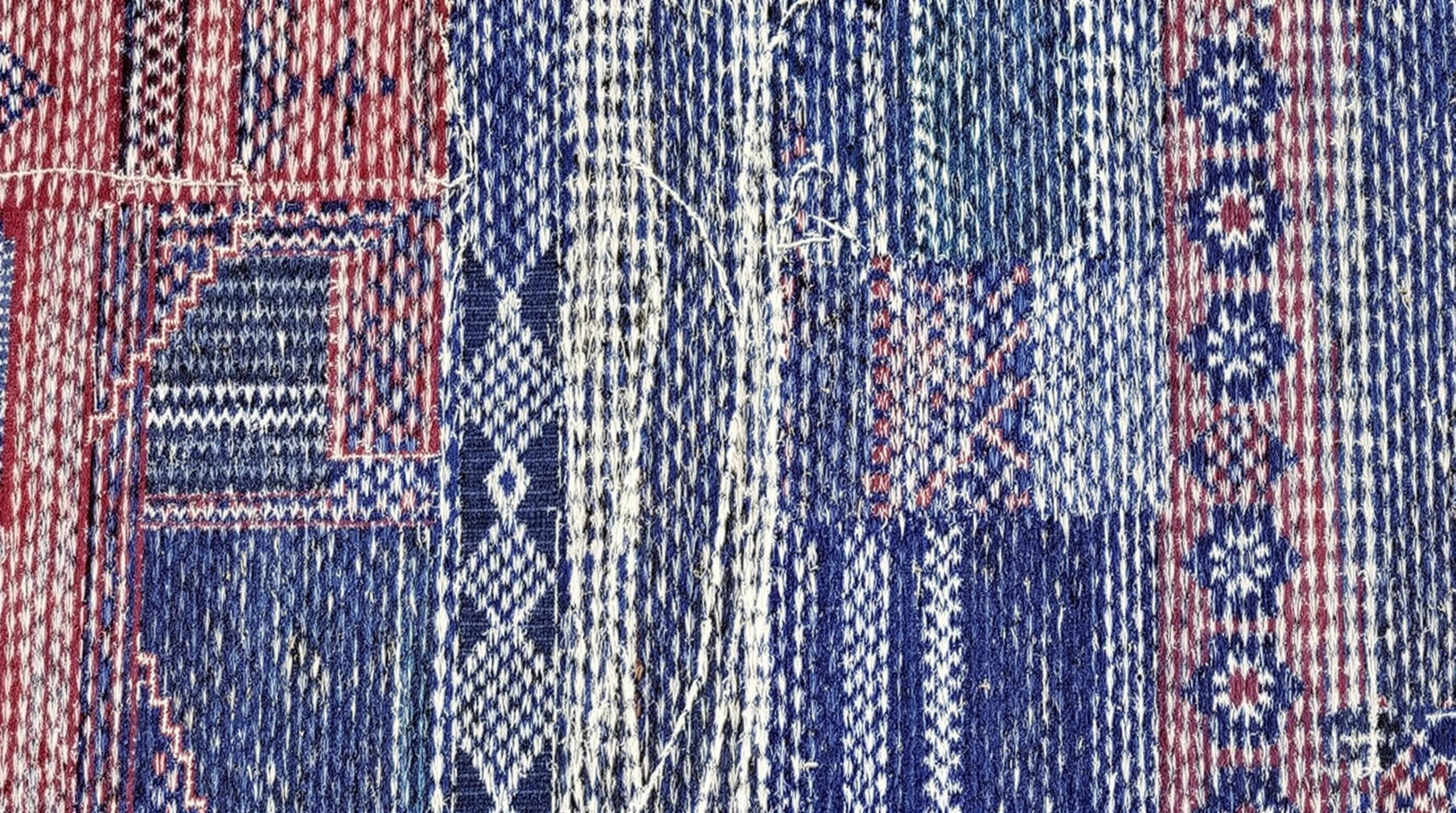
Fabrics of Folklore: Rediscovering Ancient Weaving Techniques to Inspire Modern Sustainable Fashion
Fabrics of Folklore: Rediscovering Ancient Weaving Techniques to Inspire Modern Sustainable Fashion
In an era where fast fashion dominates, revisiting ancient weaving techniques presents an intriguing solution for fostering sustainable fashion practices. This article delves into the rich tapestry of folklore and traditional textiles, highlighting how these age-old methods can inspire modern sustainability while honoring cultural legacies.
The Call for Sustainable Fashion
Did you know that the fashion industry accounts for 10% of global carbon emissions? A staggering statistic that underscores an urgent need for change. Many of us are waking up to the reality that the way we consume fashion is not sustainable. With a generation becoming increasingly eco-conscious, the demand for eco-friendly alternatives has never been higher.
Simple solutions await in the past. Through the revival of ancient weaving techniques, we can celebrate cultural heritage and embrace practices that respect the Earth. For instance, the indigenous communities of South America, like the Quechua and Aymara, have long used natural dyes and sustainable fibers, relying on their environment without overexploitation. By tapping into such rich histories, we can craft fashion that tells a story as vibrant as the fabrics themselves.
A Journey through Textiles
Picture this: a weaver, aged no more than 30, sitting at a loom under the shade of a tree. The sun plays with shadows as she works her craft, her hands deftly intertwining yarns made from local fibers. As she weaves, she interlaces the history of her ancestors into each piece, creating a fabric that is not just beautiful, but a tapestry of culture and identity. This is the essence of ancient weaving techniques—each thread a narrative, each color a memory.
A popular example of such weaving is the intricate ikat technique found in Southeast Asia. This method involves dyeing the yarn before it’s woven, resulting in beautifully blurred patterns that tell stories of the land and its people. The resurgence of ikat in contemporary fashion collections by designers like Missoni showcases how these traditional methods can fit within modern aesthetics and sustainability goals.
Lessons from Ancient Cultures
It’s often said that what is old is new again, but never has that been more relevant than in sustainable fashion today. Techniques like warp and weft weaving, traditional felt-making, and even hand-spinning wool can offer valuable lessons on sustainability and quality. Ancient cultures operated within a closed-loop system, where everything had a purpose. Waste was minimized as discarded textiles were often repurposed for other uses, recycling innate to their practices.
Case Study: The Revival of Traditional Textiles
Take, for example, the work being done in Bhutan, where artisans are reviving traditional weaving methods to create textiles that pride themselves on authenticity and ethical production. The Royal Textile Academy, in collaboration with local weavers, ensures that these traditions are taught, helping to create a sustainable economic model while promoting cultural identity. According to their estimates, artisans using ancient techniques can increase their income by up to 200%, bridging tradition with modern economic viability.
Bridging the Past and Present
The modern consumer is not just looking for a product to wear; they seek a connection, a story, a reason to choose one brand over another. Weaving such narratives into fashion can differentiate brands in a saturated market. And what better way to connect than by honoring ancient customs? Consider brands like Atelier Margot, which uses European fabric-making traditions coupled with modern designs, resulting in a collection that is both innovative and historically rooted.
Beyond just the aesthetics, these initiatives remind us of our values. In a world bombarded with consumerism, focusing on craftsmanship, quality, and sustainability resonates deeply with the ideals of younger generations. These values are increasingly becoming a standard rather than an exception—it’s not just about looking good but feeling good about the choices we make.
The Humor in Fabric
Let’s pause for a chuckle—imagine a fashion show where the models strut down the runway, tripping over their handwoven skirts. The audience collectively holds its breath—but then, the models spin around and start a dance. By embracing traditional techniques, they not only showcase beautiful garments but also embrace authenticity. It’s a reminder that fashion should be joyful and playful, not just a showcase for the runway elite.
Natural Dyes: The Colors of the Earth
Adding another layer of depth to this conversation is the use of natural dyes. Historically, textiles were colored using plants, minerals, and insects, leading to rich and diverse hues that are often neglected in today’s synthetic world. These eco-friendly dyes are not only non-toxic but also biodegradable, further aligning with the principles of sustainable fashion.
Did you know that indigo, one of the most coveted natural dyes, can be derived from plants like indigofera? In regions of West Africa and India, the tradition of indigo dyeing has persisted for centuries. Brands like Off-White have recently taken note, showcasing collections that highlight not just the color but also the cultural significance behind these ancient practices. As consumers demand transparency, the heritage of natural dyeing provides an educational platform to explore cultural significance while promoting sustainability.
Modern Weavers Making a Difference
Meet Andrea, a 25-year-old entrepreneur who left her corporate job to pursue a dream of sustainable fashion. In a small workshop filled with traditional looms, she creates clothes with threads spun from recycled materials and dyed using local plants. Every garment she produces bears the mark of her dedication to sustainability, creating pieces that speak to her values while retaining a chic aesthetic. Her brand has recently garnered attention for its unique blend of folklore and modernity, demonstrating that sustainability is not a sacrifice but a celebration.
Statistics that Impress
According to a report from the Ellen MacArthur Foundation, if the fashion industry doesn’t change its practices, the greenhouse gas emissions from the sector could reach over 1.5 billion tons by 2030. However, by adopting slow fashion principles like traditional weaving and natural dyeing, we can reduce our carbon footprint significantly. The transition doesn’t just stem from consumer choices but via collaborations between artisans and designers that honor sustainability without compromising style.
The Culture of Craftsmanship
Artisans have been the backbone of textile production for centuries. The value of their craftsmanship is often overlooked in the fast-paced world of fashion. By integrating ancient techniques into modern fashion, we’re not only preserving their skills; we’re supporting the livelihoods of these artists, many of whom rely on their craft for survival. A synergistic relationship develops—a partnership between designer and artisan that nourishes both creativity and tradition.
Many brands are now taking steps to forge partnerships with artisans around the globe. By investing in local communities and providing fair wages, they are helping to restore the dignity and status of crafting textiles. With the rise of social media, these artisans are also being given a voice, sharing their stories and practices with the world, thereby reconnecting culture with contemporary life.
The Journey Forward
As we ultimately look to the future of fashion, let’s not forget where we’ve come from. Embracing ancient weaving techniques is more than a trend; it’s an opportunity to create a sustainable and ethically responsible fashion industry. It’s a chance for consumers to contribute positively towards the environment, support artisans, and appreciate the beauty of heritage.
Imagine the world ten years from now: a tapestry of diverse cultures woven together through their textiles. A fashion landscape where sustainability is not just prized but celebrated, where each piece embodies a different story. Through understanding and reviving the techniques of our forebears, we step not just into a clothing revolution, but a cultural revival.
Now is the time to change the narrative. Let’s weave a future that honors not only the Earth but also the rich diversity of human creativity. With each stitch and pattern, let’s reclaim our stories and create a sustainable fashion industry that echoes both past and present for generations to come.
Read More