Related Articles
- Fashion's Second Skin: The Underbelly of Wearable Tech and Its Surprising Roots in Previous Iconic Styles
- Shadows of Style: The Controversial Anti-Fashion Movements That Shook the Industry from Within
- Silent Statements: The Impact of Minimalism in Fashion's Most Overlooked Decades
- Distorted Reflections: The Role of AI in Shaping Fashion Perceptions and Consumer Trust in 2023
- Dressing the Future: How AI-Generated Designs Could Revolutionize Creativity and Profitability in Fashion
- The Art of Unfashion: How Anti-Fashion Movements are Reshaping Consumer Expectations and Market Strategies
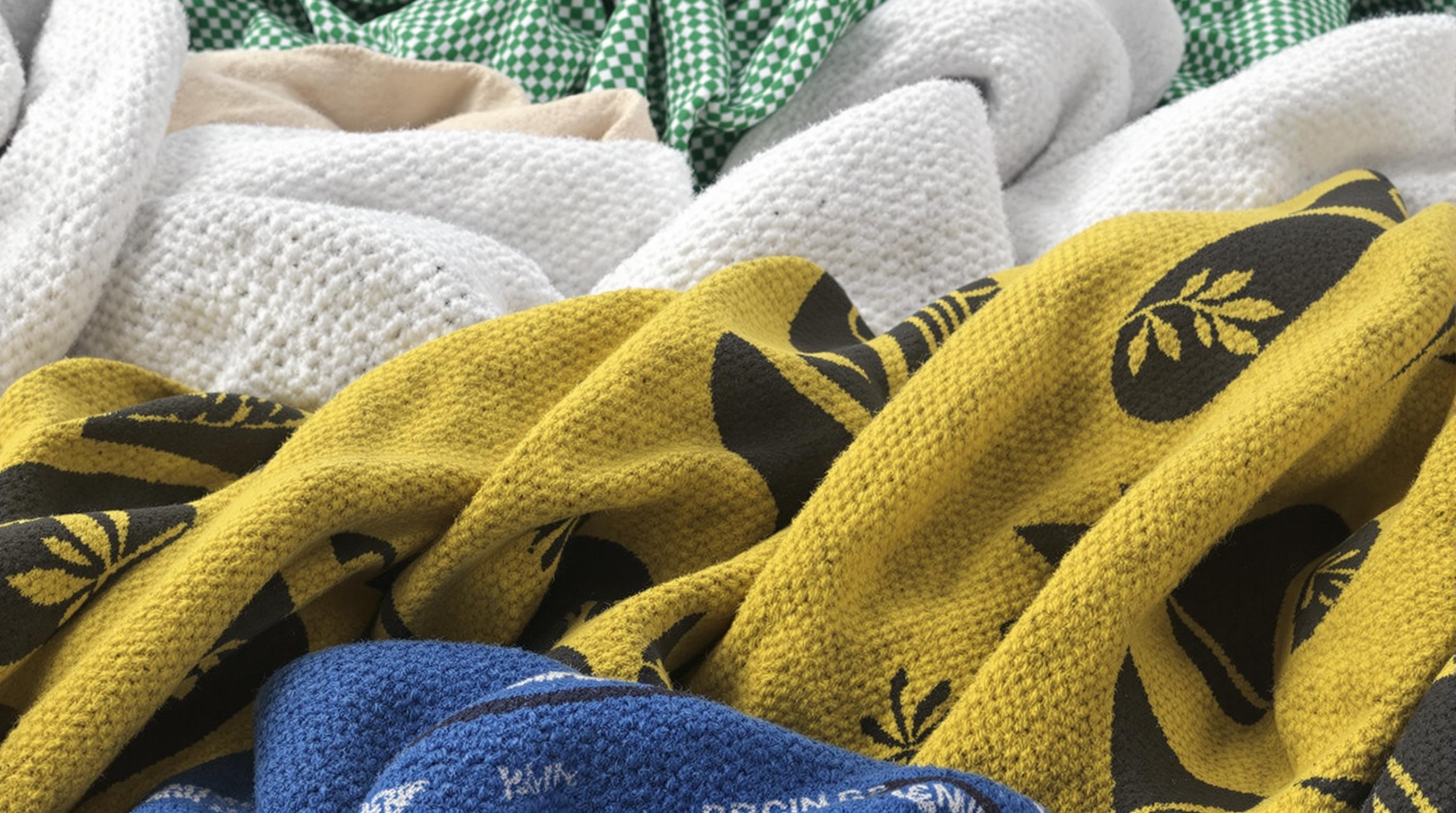
Textiles on Trial: The Untold Story of Legal Battles Shaping the Future of Fabric from Lab to Market
Textiles on Trial: The Untold Story of Legal Battles Shaping the Future of Fabric from Lab to Market
From advancements in biodegradable materials to disputes over patent rights in high-performance fabrics, the legal landscape surrounding textiles is surprisingly complex. This article explores how court cases, legislative actions, and research partnerships are not only influencing fabric innovation but are also setting the stage for sustainable fashion.
Introduction: The Fabric of Legal Battles
Legal disputes often seem distant from our everyday choices about clothing. Yet, these battles shape much of what we wear. In a world where textile technology continually evolves, the law plays a crucial role in determining which innovations make it to market.
Fabric Innovations Under Scrutiny
One of the most compelling case studies today involves companies like Adidas and their partnerships with environmentally conscious textile firms. In 2021, Adidas launched the “Parley for the Oceans” initiative, which utilizes recycled ocean plastics in fabric manufacturing (Forbes). This innovations presented enormous legal challenges as they navigated intellectual property and regulatory compliance. Indeed, the rise in bio-based textiles has initiated a wave of legal scrutiny to ensure claims of “sustainability” are valid and transparent.
Statistics That Stitch Together the Narrative
According to a report by the Textile Exchange, the global market for sustainable textiles reached a value of $6.9 billion in 2021, forecasted to grow to $14 billion by 2026. These numbers reflect a growing consumer consciousness about sustainable fashion, sparking legal tensions over trademarks and fair trade practices. Brands that fail to protect their innovative materials risk inadvertently allowing others to capitalize on their research while feeding into a saturation of misleading “eco-friendly” claims. This ongoing tug-of-war is critical for both profit margins and consumer trust.
A Conversation with a Legal Expert
To dig deeper into these issues, I spoke with Lisa Grand, an attorney specializing in textile law. "Every material you can think about is subject to some kind of legal framework, be it patent law, trade secrets, or environmental regulations," she explained. Grand highlighted a notable case where a European fabric manufacturer was sued for allegedly infringing on a competitor’s patent for a moisture-wicking textile. The court sided with the plaintiff, setting a precedent for future hang-ups in the sector.
Lab to Market: The Process and Its Pitfalls
The journey of fabrics from labs to market is often fraught with uncertainties and obstacles. After four years of research, a fabric might emerge with a groundbreaking feature—like self-cleaning properties—only to become mired in patent disputes. For instance, in 2019, a Massachusetts-based startup faced a lawsuit over its self-cleaning technology that claimed to use molecular gastronomy techniques to repel dirt and stains. While the case ultimately settled, it illuminated how intellectual property can either foster innovation or stifle it with protracted litigation.
Humor in the High-Stakes World of Fabrics
For a moment, let’s take a lighthearted detour. Imagine two fabric companies, both claiming to have created "the world’s softest fabric." They could very well end up in a courtroom arguing over who can lay claim to the title. The judge might have to try out every fabric before making a ruling! Though this scenario may be exaggerated, it underlines a serious point about how entrenched competition can lead to absurd legal situations—and maybe even a new fashion trend: “courtroom chic!”
A Shift Toward Comprehensive Legislation
The emergence of regulations aimed at sustainable practices poses a new challenge for fabric manufacturers. In the European Union, the Circular Economy Action Plan requires textile products to be both sustainable and recycled by 2030. While this movement is well-received, many brands find themselves scrambling to navigate this new landscape. The law could open doors to innovation; however, companies must also be cautious not to breach compliance, lest they face hefty fines or cease-and-desist orders.
The Justice Factor in Fast Fashion
According to data from the Fashion Institute of Technology, the fast fashion industry alone is responsible for 92 million tons of textile waste annually. With 60% of garments ending up in landfills, legal actions involving unsustainable practices have surged, pushing brands to rethink their impact. With organizations like the Ellen MacArthur Foundation encouraging companies to adopt sustainable measures, it’s clear that legal enforcement surrounding responsible fabric use is no passing trend.
Case Studies Worth Noting
Let's look at a few notable cases that have defined the discussion around textile innovation. A 2022 legal battle emerged between two major sportswear manufacturers over the use of a patented flexible material designed for enhanced athletic performance. The case raised questions about how technology is shared in the industry and led to an investigation into potential collusion among other brands as they sought partnerships with academic institutions.
This conflict took center stage in a courtroom in Austin, Texas, where expert witnesses testified about the implications of the ruling. The resulting compromise mandated stricter guidelines for project sharing between academia and textile manufacturing companies. Innovation, it seems, needs rules to flourish.
The Future: What Lies Ahead?
As we look to the future, the stakes are rising. Textile companies must innovate while also considering the legal ramifications of their designs. For example, as artificial intelligence and big data shape textile manufacturing, we can anticipate court cases emerging over AI-generated designs and their originality. Industries will need to adapt, creating comprehensive legal frameworks to manage such complexities while fostering creativity and innovation.
Conclusion: Weaving a New Fabric
The world of textiles is in a transformative phase, with legal battles intricately connected to sustainable practices and innovation. As fabric technology continues to evolve, so should the legal frameworks that govern it. After all, whether you’re a designer, a consumer, or a legal expert, we all play a role in weaving the future of fabric—from lab to market.
Read More