Related Articles
- Fashion's Second Skin: The Underbelly of Wearable Tech and Its Surprising Roots in Previous Iconic Styles
- Shadows of Style: The Controversial Anti-Fashion Movements That Shook the Industry from Within
- Silent Statements: The Impact of Minimalism in Fashion's Most Overlooked Decades
- Distorted Reflections: The Role of AI in Shaping Fashion Perceptions and Consumer Trust in 2023
- Dressing the Future: How AI-Generated Designs Could Revolutionize Creativity and Profitability in Fashion
- The Art of Unfashion: How Anti-Fashion Movements are Reshaping Consumer Expectations and Market Strategies
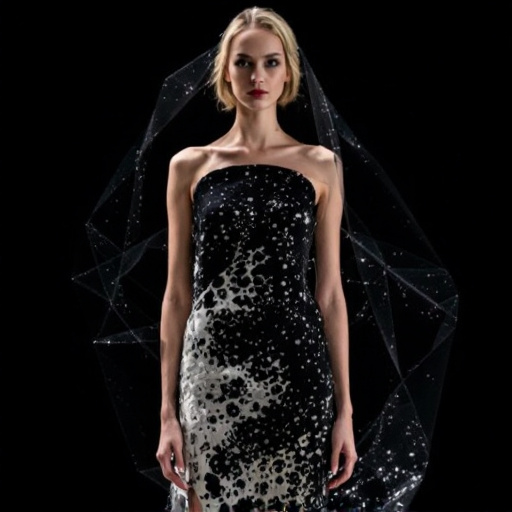
The Rise of Biodegradable Fabrics: Fashion's Solution to Environmental Guilt
The Rise of Biodegradable Fabrics: Fashion's Solution to Environmental Guilt
The conversation around sustainable fashion is more relevant than ever, with biodegradable fabrics emerging as a viable solution to the industry's environmental guilt. This article will explore various biodegradable materials, their benefits, the industries adapting to them, and the potential future of eco-friendly fashion.
The Shift in Fashion Choices
As an 18-year-old writer who grew up surrounded by social media influencers flaunting their latest fast fashion hauls, I often felt overwhelmed with the message that new clothes were key to expressing my identity. However, as stats show, the fashion industry contributes to 10% of global carbon emissions, prompting a need for change (Ellen MacArthur Foundation).
The Problem with Fast Fashion
Fast fashion brands produce massive quantities of clothing at lightning speed, fueling a cycle of consumption that is both unsustainable and damaging to the environment. Clothing made from synthetic fibers, such as polyester and nylon—derived from fossil fuels—takes centuries to decompose, leading to overflowing landfills and microplastic pollution in our oceans. In fact, it's estimated that the equivalent of one garbage truck of textile waste is dumped in a landfill every second (UNEP).
What Are Biodegradable Fabrics?
So, what exactly are biodegradable fabrics? These materials are designed to break down naturally when exposed to environmental elements such as moisture, heat, and microorganisms. This breakdown process significantly reduces the burden on landfills and the planet. Common biodegradable options include organic cotton, tencel (Lyocell), hemp, and biodegradable polyesters made from plant-based sources.
The Case of Tencel
Tencel, also known as Lyocell, is a standout biodegradable fabric derived from sustainably sourced wood pulp. Companies like Lenzing, which produces Tencel, have heavily invested in sustainable practices, boasting an environmentally friendly closed-loop process. Did you know that Tencel not only decomposes quickly but also requires less water than cotton? This environmentally conscious alternative is just as soft and versatile as traditional textiles, making it a popular choice among eco-minded brands.
Fun Fact
Here’s a little something to tickle your fancy: while it takes about 2,700 liters of water to produce a single cotton t-shirt, Tencel uses 95% less water during its processing—a pretty impressive statistic, don't you think?
A Few Success Stories
Several brands have adopted biodegradable fabrics to showcase their commitment to sustainability. One shining example is the company Reformation, which integrates eco-friendly practices into its business model. Each piece is labeled with its environmental impact—educating consumers and challenging them to make better fashion choices.
Another notable mention is Patagonia, a brand that has long championed sustainable practices. Their Capilene Cool Base fabric, for example, combines recycled materials with biodegradable polyester, proving that you can have performance without compromising the planet.
Biodegradable Fabrics in the Retail World
More retailers are responding to consumer demands for sustainable options. According to a survey by McKinsey, around 66% of consumers are willing to pay more for sustainable brands. Retailers like ASOS and H&M have begun incorporating biodegradable materials into their lines, realizing that eco-consciousness is no longer a niche but rather a necessary pivots to stay relevant.
The Future of Fashion Retail
The future looks bright for biodegradable fabrics, as ongoing research promises innovative new materials. Scientists are exploring the potential of mycelium leather, created from mushroom roots, and algae-based fabrics that have the potential to replace traditional synthetic options entirely. If we could somehow create clothes that can decompose in your compost bin, wouldn't that be a game changer?
Overcoming Challenges
Despite the growing awareness, transitioning to biodegradable fabrics poses its challenges. The global textile market is still largely driven by profit and the paradox of “more is better.” This immense pressure to produce cheap and cheerful clothes often overshadows sustainability efforts.
The close-loop production cycle of biodegradable fabrics, while beneficial, can also be costly and complex. However, as consumer demand grows, costs may decrease, and more sustainable practices could emerge as the norm rather than the exception.
Humorous Take: Guilt-Free Shopping Spree
Now, picture this: You're at your favorite store, shopping with a friend, and you stumble upon a rack of gorgeous biodegradable dresses. You snag your size with glee, thinking about how you can strut that stylish number at the next party. Your friend, who’s an eco-warrior, raises an eyebrow and says, “But can it grow back into a tree?”
While I can guarantee that your new dress won't sprout branches and leaves, choosing biodegradable fashion can take a bit of the guilt out of shopping. And honestly, if I can wear a dress that’s good for the environment and not worry about contributing to landfills, I’d happily wear it every day!
Why It’s More Than Just Fabrics
Adopting biodegradable fabrics is just one part of a larger movement toward sustainability in fashion. Consumer awareness is shifting toward ethical sourcing, fair labor practices, and a reduction in overall waste. Brands are being held accountable, creating a ripple effect that elevates the conversation around the importance of environmental stewardship.
Join the Movement
As a modern consumer, you hold immense power. By choosing brands that align with your values, you're not just making choices for yourself—you’re influencing the entire industry. Remember, you are not just buying a dress; you're voting for a future where fashion can coexist with nature.
Real-Life Impacts of Choosing Biodegradable Fabrics
Consider Sarah, a 25-year-old who always preferred shopping at fast fashion retailers. After learning about the impact of her choices, she transitioned her wardrobe to include brands that offer biodegradable fabrics. Within a year, she noticed not only a feeling of fulfillment but also made connections with stores and designers who echoed her values. Her story is a testament to how individuals can drive change, one outfit at a time.
Conclusion: Wear Your Values
As we navigate this complex world of fashion, embracing biodegradable fabrics can help us redefine our relationship with clothing. From ethical manufacturing processes to sustainable raw materials, each choice matters. So next time you’re about to splurge on an outfit, ask yourself: will this bring joy without causing future harm?
Fashion is evolving, and so should our choices. By prioritizing biodegradable fabrics, we can gradually shift from fast fashion to a more sustainable wardrobe, embracing style without the burden of guilt. So, let’s make informed decisions and wear our values proudly! Remember, choosing biodegradable options isn’t just about what we wear—it’s about the legacy we leave behind.
Read More