Related Articles
- Fashion's Second Skin: The Underbelly of Wearable Tech and Its Surprising Roots in Previous Iconic Styles
- Shadows of Style: The Controversial Anti-Fashion Movements That Shook the Industry from Within
- Silent Statements: The Impact of Minimalism in Fashion's Most Overlooked Decades
- Distorted Reflections: The Role of AI in Shaping Fashion Perceptions and Consumer Trust in 2023
- Dressing the Future: How AI-Generated Designs Could Revolutionize Creativity and Profitability in Fashion
- The Art of Unfashion: How Anti-Fashion Movements are Reshaping Consumer Expectations and Market Strategies
Wooly Wonders: Exploring the Unexpected Benefits of Fungal Textiles in Sustainable Fashion
Wooly Wonders: Exploring the Unexpected Benefits of Fungal Textiles in Sustainable Fashion
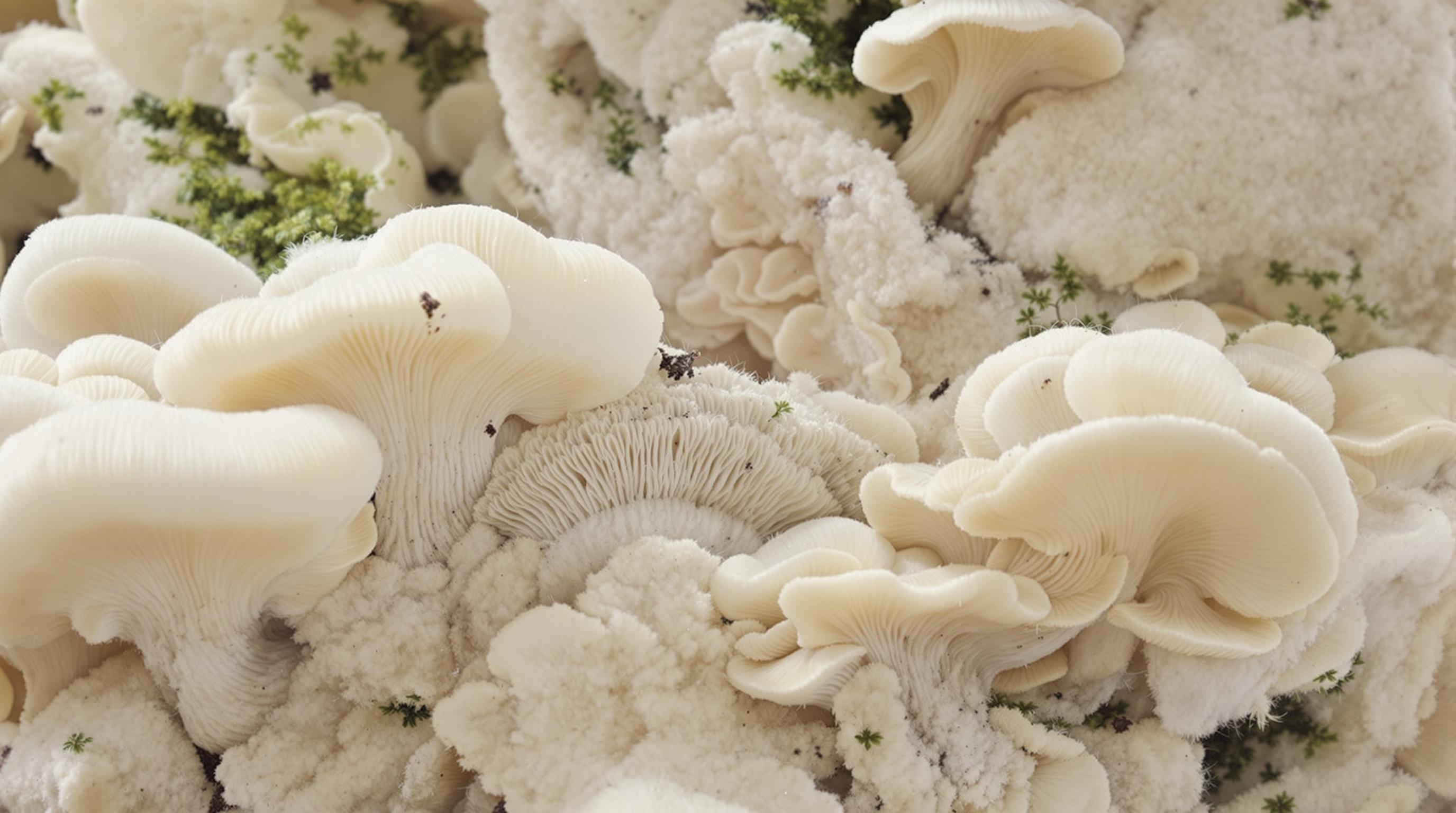
Wooly Wonders delves into the fascinating realm of fungal textiles, highlighting their unexpected benefits in promoting sustainable fashion. This exploration uncovers the innovative aspects of fungi, from ecological advantages to unique design possibilities, showcasing a bright future for a greener fashion industry.
The Rise of Fungal Textiles in Fashion
In an industry notorious for its environmental impact, the fusion of sustainability and innovation is becoming a fashionable necessity. Fungal textiles are at the forefront of this movement, emerging as a biodegradable and renewable alternative that could revolutionize the way we think about clothing. According to a report by the Global Fashion Agenda, the fashion industry produces 92 million tons of waste annually and consumes massive amounts of water and energy (Global Fashion Agenda, 2019). But what if we could replace some of those materials with something derived from nature?
What Are Fungal Textiles?
At their core, fungal textiles are made from mycelium, the root structure of fungi. Mycelium can be cultivated rapidly and it’s capable of breaking down waste materials while growing. This makes it an eco-friendly alternative to conventional textile materials, like cotton and polyester. Imagine being clad in something that not only looks good but also actively nourishes the environment.
The Process: From Spores to Fabric
The transformation of mycelium into textile starts with the cultivation of fungal spores on agricultural waste. This process is relatively simple and has a low environmental footprint. The mycelium grows into a dense mat, which is then harvested, dried, and treated to produce various forms of material suitable for fashion. Companies like MycoWorks and Ecovative are leading this magical journey, proving that innovative techniques rooted in nature can create stunning textiles.
Benefits of Fungal Textiles: Beyond Sustainability
While the ecological advantages of fungal textiles are abundant, there are other surprising benefits that deserve the spotlight. These materials challenge the status quo in the way we design, create, and wear clothing, often providing unexpected characteristics.
Durability Meets Style
In fashion, durability is often sacrificed for aesthetics, but fungal textiles merge these two crucial aspects beautifully. Mycelium-based materials are not only biodegradable but also resilient. For instance, MycoWorks’ Reishi leather is reputed for its ability to last long and withstand wear, making it a practical choice for fashion-forward consumers who also care about sustainability. Imagine wearing a leather-like jacket that ages gracefully, much like fine wine!
The Wow Factor: Unique Textural Appeal
The tactile experience of fungal textiles is otherworldly. Each piece made from mycelium can possess a distinct texture that is unmatched by traditional materials. From smooth to rugged surfaces, the versatility allows designers to play with their creations authentically. Take a moment to visualize walking into a party wearing a dress made from mushroom fibers, sparking curiosity among your peers not just about your style but about your eco-conscious choices.
A Case Study: Reishi – The Leather of Tomorrow
Let’s zoom in on Reishi, a brand that exemplifies the brilliant potential of fungal textiles in sustainable fashion. Founded by innovative designers, Reishi has crafted an entire collection revolving around mycelium leather. Its products, which range from wallets to jackets, have garnered attention from fashion enthusiasts and sustainability advocates alike.
Consumer feedback has been enthusiastic; people love the unique look and feel, while simultaneously feeling good about their purchase. According to a study from McKinsey & Company, 67% of consumers say that they are willing to pay more for sustainable products (McKinsey & Company, 2021). This aligns perfectly with the ethos of Reishi, as it promotes not only eco-friendly practices but also high-end fashion.
The Future is Fungal
Looking ahead, the fashion industry is undergoing a dramatic transformation, and fungal textiles are set to play a central role. Despite being in its infancy, the market for mycelium-based products is expected to explode. According to market analyses, the global eco-friendly fabrics market is projected to reach $209 billion by 2025 (ResearchAndMarkets, 2021). Imagine being part of this exciting shift as a consumer or creator!
Pushing Boundaries: Integration with Technology
One fascinating aspect of fungal textiles is their interplay with technology. Designers are already experimenting with integrating mycelium fabrics with digital printing and even 3D printing techniques. The fusion of technology and nature could give rise to garments that change color with temperature or respond to environmental stimuli, creating a dynamic relationship between the wearer and their attire. It's practically living fashion!
Overcoming Challenges: The Journey Ahead
However, it’s essential to address the challenges in the widespread adoption of fungal textiles. As promising as these materials are, scaling production and ensuring consistent quality can be hurdles. The unpredictability of growing conditions for fungi means that achieving uniformity may require refining agricultural practices and techniques.
Collaborative Innovations: Working Together for Success
Academic institutions are collaborating with fashion innovators to research cultivation methods and processing techniques that can help mitigate these challenges. The collaboration fosters a knowledge exchange that could lead to breakthroughs in not only fungal textiles but also in sustainable materials as a whole. Institutions like the Fashion Institute of Technology in New York are at the forefront, encouraging students to experiment with mycelium and other innovative materials.
From the Ground Up: Community Involvement
Social responsibility and community involvement are crucial elements to consider as the industry grows. Non-profit organizations and startups focused on sustainability often initiate workshops and events that educate the public about the potential of fungal textiles. These grassroots movements are vital to spreading awareness and encouraging consumers to embrace eco-conscious choices.
A Call to Action: Be the Change
As consumers, the power lies in our hands to drive demand for sustainable fashion. By prioritizing brands that utilize eco-friendly textiles, we can nudge the industry toward a greener path. The notion that “every purchase is a vote” is truer today than ever before; when we buy sustainable products, we are endorsing responsible practices while also encouraging innovations like fungal textiles.
A Glimpse of Mycelium Fashion Shows
Fashion shows have begun to highlight eco-friendly materials, including fungal textiles, showcasing the innovative designs that companies are producing. Designers are becoming the evangelists of sustainable practices, presenting mycelium-based garments with a flair that draws wider attention. Imagine sitting in the front row of a runway show, surrounded by stunning pieces made from mushrooms, and knowing that you’re witnessing the future!
Conclusion: Embracing the Fungal Future
The shift to fungal textiles symbolizes a greater evolution in the fashion industry—a movement towards sustainability that highlights the importance of eco-friendly materials without sacrificing creativity and style. As we forge ahead, embracing the wonders of nature will redefine what is fashionable and sustainable.
In closing, let us remember that every garment we choose is a reflection of our values. By choosing fungal textiles and supporting the brands that prioritize sustainability, we are joining a vast movement that can reshape our world—for the better. That’s the real magic of “Wooly Wonders.” Keep your eyes peeled for this compelling trend, because, as it turns out, the future of fashion is not only fabulous but also fungal! 🌱
Read More